
Increase Website Traffic: 7 Practical Strategies That Still Work in 2026

Quick answer: To increase website traffic in 2026, combine high-intent SEO, distribution across email and social, AI-friendly content structure, and careful testing of faster channels. The best strategies to increase website traffic 2026 usually mix long-term organic growth with proven ways to drive traffic to your website like video, communities, and measured paid campaigns. If you need faster cold-traffic testing, services like SimpleTraffic can help send real human visitors while you track quality and conversions.
How can I increase my website traffic?

Start with a small number of pages that match clear search intent, then improve how people find, understand, and share them. Most sites grow faster when they stop spreading effort across dozens of weak pages and focus on a few pages that deserve attention.
If you are looking at how to increase website traffic 2026, think in systems rather than tricks. One page, one audience, one traffic goal, and one measurement plan is usually more useful than publishing more content without a distribution plan.
Here is the simplest working framework:
- Pick high-intent pages: prioritize pages tied to offers, lead magnets, demos, product categories, or strong informational queries
- Improve discovery: cover search, AI summaries, video surfaces, social posts, and email clicks together
- Reduce friction: make pages fast, mobile-friendly, and easy to scan in under 10 seconds
- Track quality: measure engaged sessions, signup rate, inquiries, and assisted conversions, not just visits
- Test faster channels: add cold traffic, partnerships, or short-form content when organic growth is too slow
We covered the broader channel mix in our guide to how to drive traffic to your website. This article focuses more tightly on what to prioritize now.
Why is my website traffic so low?

Low traffic usually comes from one of four issues: weak demand, weak rankings, weak distribution, or weak conversion paths. In plain terms, either people are not finding your pages, your pages are not compelling enough to click, or visitors do not stick around.
According to Google Search Central, content tends to perform better when it is built for people first and demonstrates clear usefulness. That matters even more now that AI systems summarize content and often choose the clearest source rather than the longest one.
Common causes include:
- Thin targeting: your pages are too broad and do not match a specific question or need
- Weak formatting: no quick answers, poor headings, and walls of text make extraction and scanning harder
- Limited distribution: you publish once and wait, instead of sending content into email, communities, or video clips
- Technical friction: slow pages, poor mobile usability, and indexation mistakes reduce reach
- No retention loop: visitors leave and never return because there is no email signup, subscription, or follow-up path
Sometimes the issue is not traffic quantity at all. It is low-quality traffic that looks busy in analytics but produces no business result.
How can I increase my website traffic for free?

Free traffic still works, but it is slower and more dependent on consistency. The best free channels are search, email capture, repurposed social content, communities, referrals, and internal linking between related pages.
If you want best ways to increase website traffic without buying ads, focus on assets that keep working after you publish them. Search-driven articles, comparison pages, downloadable resources, and short educational videos often have the longest shelf life.
Try this free traffic stack:
- Refresh old pages that already rank on page two or three and improve the title, intro, headings, and examples.
- Publish answer-first content with short definitions, tables, and FAQs that AI systems can quote cleanly.
- Build an email capture point on your top pages so every new visitor can become a repeat visitor.
- Repurpose one article into multiple formats such as a LinkedIn post, short video, email, and community post.
- Add internal links from related articles to your money pages and best converting pages.
- Use zero-click search tactics by answering the query directly in the opening section so you can still earn branded searches and follow-up clicks.
For a deeper look at unpaid growth, our post on organic website traffic breaks down what to measure and what AI is changing.
Is SEO still worth it in 2026?
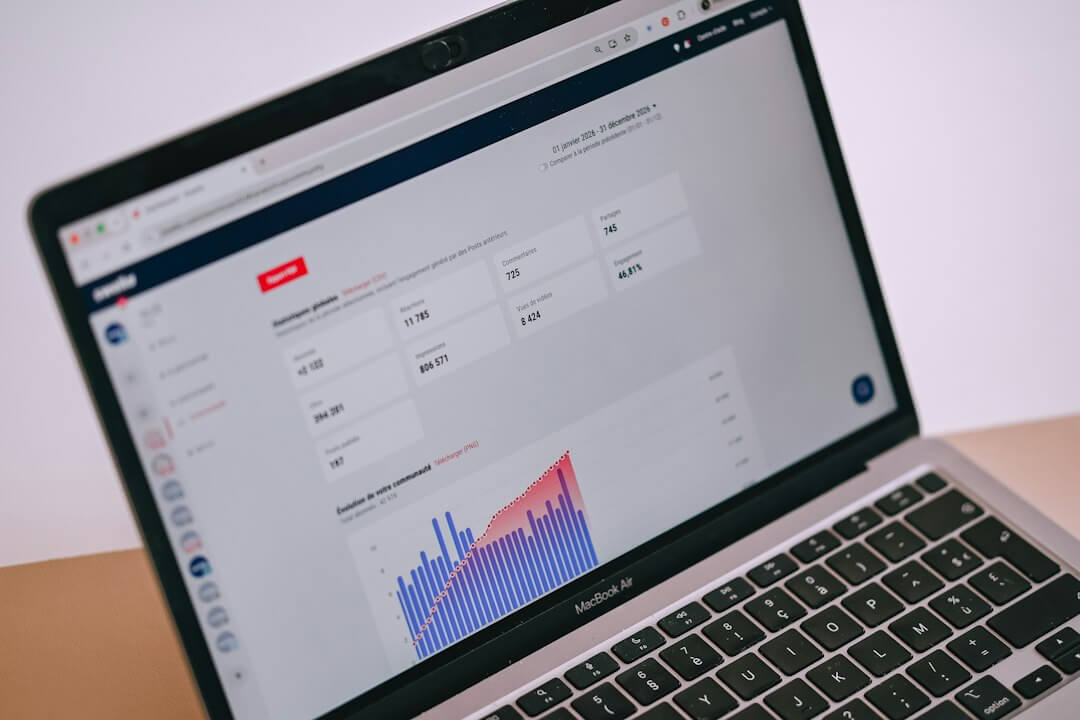
Yes, SEO is still worth it in 2026, but the job has changed. You are no longer optimizing only for ten blue links, because discovery now happens across AI overviews, voice search, video results, forums, and direct brand searches.
That is why best strategies to increase website traffic now include classic SEO plus AI-friendly formatting. Clear definitions, question-based headings, original examples, and updated facts help both search engines and answer engines understand your page faster.
Research from Pew Research Center continues to show how people shift discovery behavior across platforms and devices, which reinforces the need to diversify traffic sources instead of depending on one algorithm. Good SEO still compounds, but it works best when paired with distribution and retention.
Here is what still matters most:
- Search intent alignment: create pages for one problem or one stage of awareness
- Topical depth: answer the next question, not just the first one
- Technical basics: indexing, page speed, mobile UX, and crawlable content
- Authority signals: expert framing, cited sources, and helpful original observations
- Entity clarity: make it obvious who you are, what you do, and why the page exists
Voice search matters here too. Conversational headings and concise answers improve your chances of being surfaced when people ask spoken questions.
What is the 80/20 rule in SEO?

The 80/20 rule in SEO means a small share of pages usually drives most of your search traffic and conversions. In many cases, 20% of your pages produce 80% of your results, so improving those pages first gives you the biggest return.
This matters if you are deciding where to focus your time. Instead of trying to fix everything, identify the few pages already showing traction and make them better.
A simple 80/20 workflow looks like this:
Priority areaWhat to checkWhat to changeTop landing pagesimpressions, clicks, conversion rateimprove title, intro, CTA, and internal linksNear-ranking pagespositions 8-20 in search dataadd depth, examples, FAQs, and better formattingHigh-bounce pagesengagement time and exitsimprove page speed, structure, and relevanceAssisted-conversion pagesmulti-touch contributionadd clearer next steps and email capture
This is one of the most practical strategies to increase website traffic because it improves existing momentum rather than starting from zero. It also keeps content teams from wasting effort on pages no one sees.
Can I buy click traffic for my website?

Yes, you can buy website traffic, but the real question is whether the visitors are human, relevant, and measurable. Paid traffic is useful for promotion, landing page testing, and cold-audience validation when you track it properly and keep expectations realistic.
It should not be treated as a shortcut to SEO rankings or brand trust. It is a testing and distribution channel, especially when you need speed.
A safe checklist looks like this:
- Use real human traffic: avoid bot-heavy services that inflate numbers and damage your data
- Send traffic to focused pages: one offer or one message per destination works best
- Apply UTM tracking: attribute visits by source, campaign, and page variant
- Measure outcomes: track scroll depth, engaged sessions, opt-ins, and conversion rate
- Start small: test budget, page fit, and audience quality before scaling
SimpleTraffic fits naturally here because it focuses on real human visitors, targeting preferences, and rotation across multiple URLs. If your goal is fast promotion or cold-traffic testing without running full ad campaigns, it can be a practical option alongside SEO, email, and content distribution.
If you want the full tracking angle, our guide on whether forwarded traffic counts in Google Analytics explains what gets measured and where attribution gets messy.
How to get 1000 website visitors per day?

Getting to 1,000 visitors per day usually requires a channel mix, not one magic source. For most sites, that means combining search, repeat traffic, referral partnerships, social distribution, and selective paid testing.
If you are asking for best strategies to boost website traffic, the answer is to build repeatable traffic loops. One-time wins rarely create stable daily volume.
A practical path looks like this:
- Create 3-5 pillar pages aimed at high-interest questions in your niche
- Publish supporting content that links back to those pillar pages
- Build an email list so new visitors become recurring visitors
- Repurpose into video and short clips for YouTube Shorts, TikTok, LinkedIn, or Reels
- Use communities and partnerships to get referral traffic from places where your audience already spends time
- Add measured paid traffic when you want faster testing or a baseline of cold visitors
For B2B brands, TikTok is no longer just a consumer channel. Short educational clips, founder explainers, and niche problem breakdowns can drive qualified curiosity when they point viewers to a clear landing page.
What to do next
Pick one page that already matters to your business, then improve its headline, opening answer, internal links, and conversion path this week. If you need faster validation after that, test a small, tracked traffic campaign with SimpleTraffic so you can learn from real visitor behavior instead of guessing.
Frequently Asked Questions
Is website traffic declining?
Website traffic is not declining everywhere, but many sites are seeing traffic shift across channels. Search clicks can drop while branded searches, AI referrals, email visits, video traffic, and community referrals grow.
Can I do SEO myself?
Yes, you can do SEO yourself if you can research intent, improve page structure, and stay consistent. Many small sites get meaningful gains by fixing core pages before doing anything advanced.
What is the best free website traffic generator?
There is no single best free website traffic generator because free traffic usually comes from several channels working together. For most sites, search, email, internal links, and repurposed social content are the most dependable starting points.
How long does it take to increase website traffic?
It depends on the channel. Paid promotion can send visitors quickly, while SEO and content marketing often take a few months before traffic becomes steady.
Does more website traffic always mean more sales?
No, because traffic quality matters more than raw volume. A smaller number of relevant visitors will usually outperform a large number of mismatched visits.
Should I focus on SEO or paid traffic first?
If you need long-term growth, start with SEO and content structure. If you need faster testing or immediate exposure, add a small paid campaign and track the results carefully.
Is buying website traffic safe?
It can be safe when the traffic is real, the source is transparent, and you are using it for promotion or testing rather than fake credibility. The biggest risks come from bot traffic, bad attribution, and unrealistic expectations.
What metrics matter most when trying to increase website traffic?
Watch engaged sessions, conversion rate, assisted conversions, email signups, and source-level performance. Those numbers tell you whether the traffic is actually helping the business, not just making dashboards look bigger.