
Organic Website Traffic: What It Means, How to Measure It, and What AI Is Changing
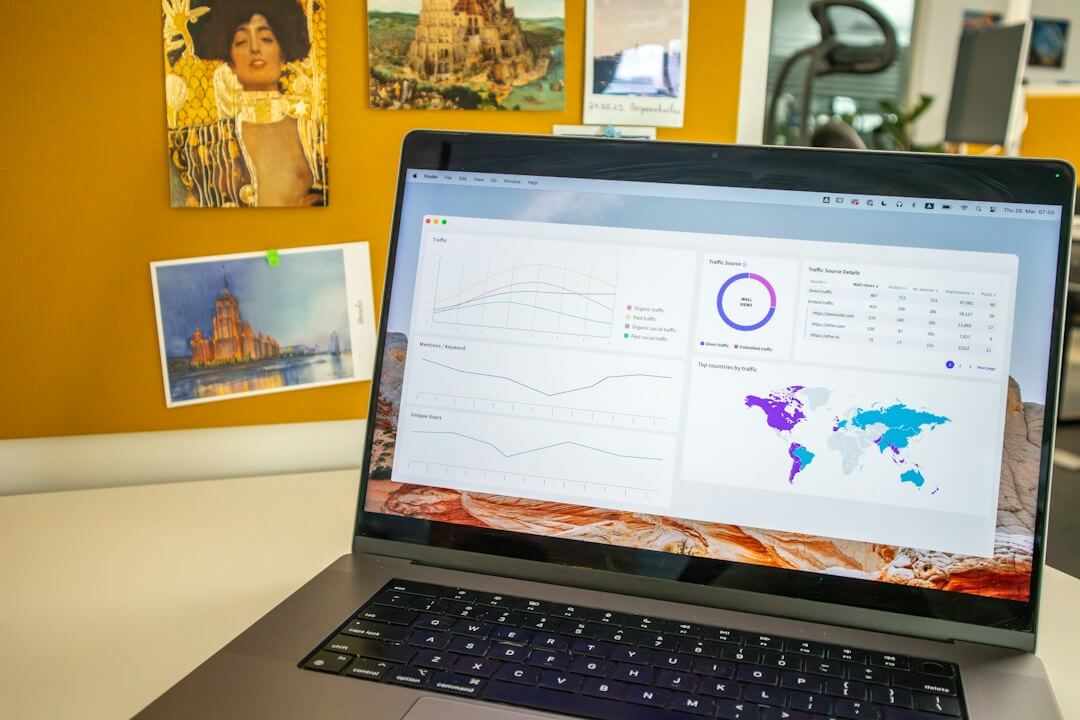
Quick answer: Organic website traffic is unpaid traffic that comes to your site through search-driven discovery rather than ads. In simple terms, organic website traffic explained means visits earned from search engines and increasingly from AI-assisted discovery, usually because your content matches what people are looking for. A good organic website traffic definition also includes proper tracking, because many organic visits now influence conversions across multiple sessions and channels.
What does organic website traffic mean?
Organic traffic means someone found your website naturally through a search experience and clicked through without you paying for that click.
That usually includes visits from search engines like Google or Bing, but it can also include newer AI discovery paths when the user reaches your site from unpaid search-related recommendations.
A simple organic website traffic meaning looks like this:
- Organic traffic: unpaid visits earned through search visibility
- Paid traffic: visits from ads you paid to place
- Direct traffic: visits where analytics cannot identify a referring source, or someone typed the URL directly
- Referral traffic: visits from links on other websites
This matters because channel labels affect how you judge performance.
If your analytics setup is messy, some organic visits can be misclassified as direct, referral, or unassigned.
For a broader overview of source types, we covered the bigger measurement picture in our guide to website traffic and what actually matters.
What is the difference between organic and direct traffic to a website?
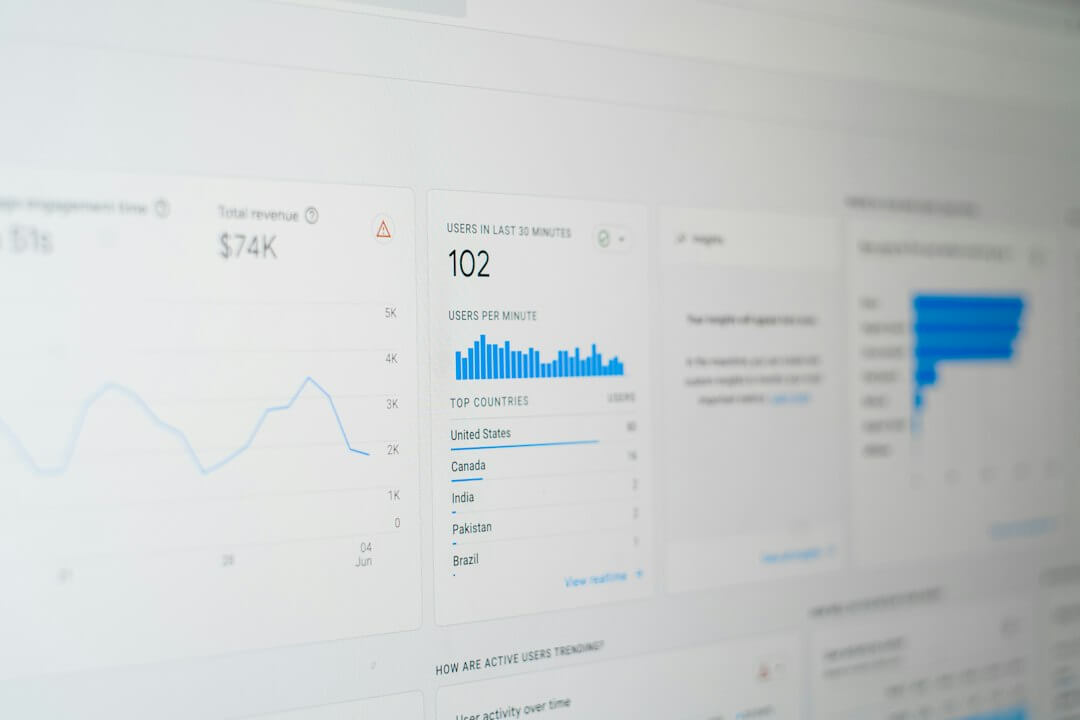
The difference is simple on paper but messy in real data.
Organic traffic has a known unpaid search source, while direct traffic is a bucket for visits with no reliable referrer data or manually entered URLs.
Here is the practical difference readers usually need:
Traffic typeWhere it comes fromTypical exampleCommon tracking issueOrganicUnpaid search resultsSomeone searches a topic and clicks your pageAI or browser privacy features may hide part of the pathDirectNo identifiable referrerSomeone types your URL or uses a saved bookmarkMisattributed email, app, PDF, or forwarded-link visits often land here
In 2024, Google documented that traffic source reporting depends heavily on referrer and campaign data in Google Analytics traffic acquisition documentation. That is one reason direct traffic often gets inflated.
A useful rule is this: if direct traffic suddenly jumps after an email send, app mention, or link sharing campaign, not all of it is truly direct.
How can I check the organic traffic of my website?
The best way to check organic traffic is to use both search data and analytics data together.
One tells you how people found you in search, and the other tells you what they did after arriving.
Start with these tools:
- Google Search Console: shows impressions, clicks, average position, and search queries
- Google Analytics 4: shows sessions, engagement, conversions, and assisted paths from organic traffic
- UTM conventions: help you separate non-organic campaigns so your organic data stays cleaner
- Server logs or privacy-first analytics: useful for validation when reporting gaps appear
If you want a quick process, follow these steps:
- Open Search Console and check which queries and pages are gaining or losing clicks.
- Open GA4 and compare Organic Search sessions, engaged sessions, and conversions.
- Segment by landing page so you can see which pages attract search traffic first.
- Compare by country and device because regional and mobile patterns often hide important changes.
- Review assisted conversions so you do not undervalue pages that introduce users before they convert later.
This is where organic website traffic strategies 2026 need to be more advanced than old SEO playbooks.
Traffic quality matters more than raw sessions, especially now that zero-click behavior and AI summaries can reduce clicks while still increasing brand discovery.
How do I get organic traffic to my website?

Getting organic traffic starts with matching content to real search intent, then making sure the page is strong enough to earn and keep attention.
That sounds obvious, but most sites either publish content nobody searches for or target queries that are too broad to win.
A practical framework for how to increase organic website traffic looks like this:
- Choose one intent per page: do not mix definitions, product pitches, and advanced tutorials on the same URL
- Target topics with evidence of demand: use Search Console, keyword tools, and customer questions
- Answer the main question early: make the first screen useful without scrolling
- Build topical depth: include examples, comparisons, FAQs, and next-step guidance
- Improve technical basics: speed, mobile layout, crawlability, and internal links still matter
- Update decaying pages: older winners often recover faster than brand-new content grows
According to Google's Search Essentials, helpful, people-first content and accessible site structure remain core building blocks for organic visibility.
In practice, strong organic growth usually comes from a small number of pages that deserve ranking, not from publishing more pages blindly.
If you need a broader channel plan around search, email, community, and testing, our post on how to drive traffic to your website complements this nicely.
How to check organic traffic on a website when AI changes attribution?

This is where organic measurement gets more interesting in 2026.
A user might first discover your brand in an AI answer, later search your brand name, then return via direct or email before converting.
If you only credit the last click, you miss much of the importance of organic website traffic.
Look beyond default channel grouping and review:
- Assisted conversions: which organic landing pages introduce future buyers
- Branded search lift: whether non-branded content leads to more branded searches later
- Returning visitor conversion rate: whether search visitors come back and convert on later sessions
- Engaged session depth: scrolls, time, secondary page views, and micro-conversions
- Regional and language splits: whether content wins in one market but underperforms in another
This is also why many teams now use a simple scoring model instead of judging traffic by clicks alone.
For example, you can score each organic landing page by engaged sessions, assisted conversions, email signups, return visits, and revenue influence rather than by sessions only.
When brands want faster testing alongside long-term SEO, tools like SimpleTraffic can help validate landing pages, offers, or messaging with real human visitors while organic visibility builds over time.
That is not a replacement for SEO.
It is a separate testing and promotion channel that can give you cleaner conversion feedback on page experience, especially for cold audiences.
Is organic traffic free?

Not really.
You do not pay for each organic click, but you do pay in time, content production, technical work, tools, or team effort.
That is why the better question is whether organic traffic becomes cost-efficient over time.
Usually it does, especially when a page keeps attracting qualified visitors for months after publication.
The costs often include:
- Content creation: writing, editing, design, and research
- Technical SEO: fixing crawl issues, templates, and site performance
- Measurement: analytics setup, reporting, and attribution cleanup
- Maintenance: refreshing pages after product, SERP, or algorithm changes
The upside is sustainability.
Unlike ads, a useful page can keep earning visits after the initial work is done, although it still needs occasional updates to stay competitive.
How to increase organic website traffic 2026 without chasing every algorithm update?

The safest approach is to build a sustainable traffic system instead of reacting to every ranking fluctuation.
That means creating content quality, measurement discipline, and recovery habits that hold up even when search presentation changes.
Use this framework:
- Audit your winners and identify pages losing clicks, conversions, or rankings.
- Separate visibility loss from demand loss because lower traffic does not always mean worse rankings.
- Refresh pages with intent in mind rather than just inserting more keywords.
- Strengthen internal links from relevant pages with clear anchor text.
- Expand trust signals with sources, examples, author clarity, and updated screenshots or data.
- Measure recovery by quality using conversions and assisted value, not only sessions.
This is the heart of how to increase organic website traffic 2026 without panic.
You are building a repeatable system, not hunting one tactic.
A practical benchmark helps here too.
A page that loses 20% of clicks but keeps the same assisted conversions may need snippet or intent work, while a page that keeps clicks but loses engagement may have a content mismatch problem.
What to do next
Pick five organic landing pages and review them for search intent match, click trend, engaged sessions, and assisted conversions. If organic growth feels too slow for your current goal, use a measured secondary channel like SimpleTraffic to test page performance with real visitors while you keep improving your long-term search visibility.
Frequently Asked Questions
Can you give me an example of organic traffic?
Yes. If someone searches for "best accounting software for freelancers," sees your blog post in unpaid search results, and clicks it, that visit is organic traffic.
How to get 1000 website visitors per day?
Usually you do not get there from one tactic alone. The most reliable path is a mix of strong organic pages, distribution through email or communities, and sometimes measured paid promotion to support testing while SEO compounds.
How to get organic traffic on a website?
Start by publishing pages that clearly match real search intent, then improve internal linking, page speed, content depth, and search snippet appeal. Organic traffic grows faster when you focus on a few pages with clear business value instead of spreading effort across dozens of weak topics.
What is organic website traffic in SEO?
In SEO, organic website traffic means unpaid visits that come from search engine results. It is one of the clearest outcomes of successful search visibility, but it should be measured alongside engagement and conversions.
Why does organic traffic drop after an algorithm update?
A drop can happen because rankings changed, search demand changed, SERP features reduced clicks, or competitors improved their pages. The fix depends on whether the problem is visibility, intent match, technical health, or content quality.
Why does Google Analytics show less organic traffic than Search Console?
These platforms measure different parts of the journey. Search Console reports search clicks, while GA4 reports sessions on your site, so cookie settings, blocked scripts, user behavior, and attribution rules can create gaps.
Is AI reducing organic website traffic?
In some cases, yes, especially for simple informational queries that get answered directly in AI summaries. At the same time, AI can also increase brand discovery and shift value toward pages that help users take the next step after initial research.
Can paid traffic help while building organic traffic?
Yes, if you use it for testing and promotion rather than pretending it is SEO. SimpleTraffic is one option for sending real human visitors to pages you want to validate, which can help you improve conversion data while organic traffic grows more gradually.