
How to Test Funnel With Cold Traffic Cheaply: A Step-by-Step Plan That Keeps Your Budget Under Control

Quick answer: To how to test funnel with cold traffic cheaply, start with one offer, one landing page, one thank-you step, and one email follow-up path, then buy a small amount of tracked traffic and judge success by opt-in rate, cost per lead, and activation. The best low budget cold traffic funnel testing setup usually fits within $150 to $500, as long as you avoid testing too many variables at once. If you want fast traffic without running full ad campaigns, SimpleTraffic can be one practical option for sending real human visitors into a controlled funnel test.
How to test a funnel?

The cheapest way to test a funnel is to reduce it to the smallest version that can still answer one real question. That usually means testing whether cold visitors will take the first action, not whether the whole business model is perfect.
Before you buy any traffic, define the exact event you want to prove. For most low-cost tests, that event is one of these:
- Email opt-in: the visitor joins your list for a lead magnet
- Lead form submission: the visitor requests a quote, demo, or callback
- Low-ticket purchase: the visitor buys a simple offer with low friction
- Activation step: the lead takes the next meaningful action after opting in
A good cold-traffic test answers one question at a time. Can strangers understand the offer, trust the page, and take the next step without hand-holding?
That is why how to test sales funnel with cold traffic cheaply is mostly about focus. If you send traffic to a messy funnel with five offers, you will not know what failed.
What should you set up before sending cold traffic?

Set up tracking first, even if your budget is tiny. A cheap test without tracking is usually more expensive than a bigger test with clean data.
You need four basic pieces in place before launch:
- One clear destination page with one audience and one promise
- One tracked conversion event in analytics
- One follow-up sequence so leads do not go cold immediately
- One traffic tag structure using UTMs to separate sources and variants
If you use Bitly for link management or tagged destination URLs, keep the naming simple. Use source, campaign, audience, and variant so you can compare results later.
For analytics, Google Analytics is enough for many small tests if events are set correctly. We covered attribution problems in more detail in our guide to whether forwarded traffic counts in Google Analytics.
Your pre-launch checklist should look like this:
- Page ready: headline, offer, CTA, mobile check, load speed check
- Tracking ready: pageview, opt-in, thank-you visit, and activation event
- Email ready: instant delivery email plus at least 3 to 5 nurture emails
- UTM ready: separate tags for source, test angle, and page version
- Decision rule ready: know what numbers count as pass, fail, or revise
According to Google research, as page load time rises from one second to three seconds, bounce probability increases by 32%, based on Google's mobile speed research. On a low-budget test, that matters because slow pages waste paid visits fast.
What is the 3 funnel strategy?

The 3 funnel strategy means splitting your funnel into top of funnel, middle of funnel, and bottom of funnel. For cheap testing, this helps you see where cold traffic drops off instead of blaming the entire funnel.
Here is a simple version.
Funnel stageGoalCheap test assetMain metricTOFUGet attention and curiosityContent angle or lead magnet pageClick-through or opt-in rateMOFUBuild trust and interestThank-you page, short video, email sequenceActivation rateBOFUGet conversionCall booking, checkout, trial, or applicationCost per sale or cost per qualified lead
Most people skip straight to BOFU and then wonder why cold traffic fails. In reality, cold visitors usually need a softer first ask.
For that reason, cheap ways to test marketing funnel with cold traffic best practices usually start with a lead magnet, quiz, checklist, free sample, or low-friction signup. You are buying information first and revenue second.
A practical benchmark for many info-product and lead-gen tests is a cost per subscriber around $1 to $2 and an early activation rate near 30%, though your actual numbers depend on niche, offer, and page quality. Those targets come from common direct-response testing practices, not universal rules, so use them as working thresholds rather than guarantees.
How much should you spend to test a funnel with cold traffic cheaply?

Most first tests do not need more than $500. In many cases, $150 to $300 is enough to tell you whether the first step of the funnel has basic traction.
The key is to spread budget by question, not by platform. Here is a simple budget model.
BudgetWhat you can realistically testBest use$150One page, one offer, one traffic sourceBasic signal check$300One page, two headlines or two lead magnetsFirst A/B test$500One full front-end test plus email activation reviewBetter decision confidence
Use this budget split if you want a disciplined first run:
- 60% to traffic: enough visits to reach a usable sample
- 20% to page variation testing: headline, CTA, or lead magnet angle
- 20% to retargeting or follow-up: email clicks, return visits, or warm revisit traffic
This is where low budget cold traffic sources for funnel testing matter. If your source is expensive, you run out of learning before you get enough data.
Services like SimpleTraffic can make sense when your goal is fast traffic generation for a landing page test, especially if you want real website visitors, URL rotation, and simple cancellation instead of a long ad setup. It is not a substitute for product-market fit, but it can be a practical way to collect first-stage funnel data.
What type of traffic is ideal for a low ticket funnel?
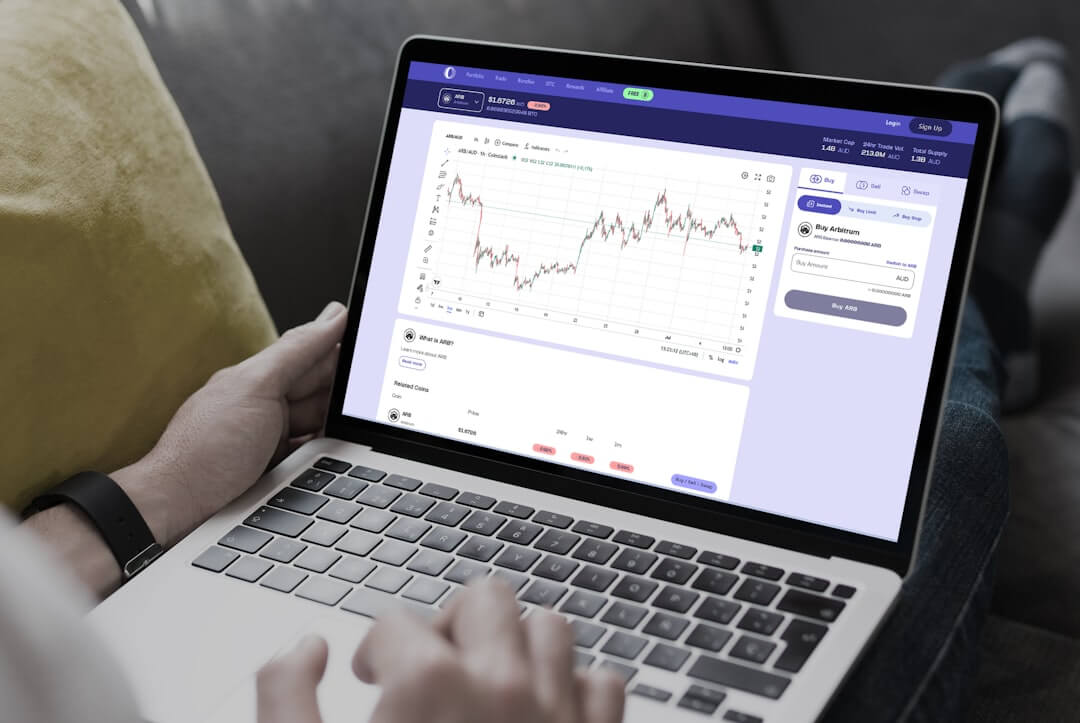
For a low-ticket funnel, you usually want broad but relevant traffic that can convert on a simple promise fast. The traffic does not need deep buying intent at first, but it does need a decent audience match and clean measurement.
The best traffic for cheap testing usually has these traits:
- Cold but relevant: visitors broadly fit the problem your offer solves
- Affordable volume: you can get enough sessions without blowing your budget
- Trackable source: UTMs and analytics show what happened after the click
- Human quality: you can judge engagement, not just raw visit count
That is why bot traffic is almost useless for funnel testing. Bots can inflate visits but cannot validate message-market fit, email interest, or checkout intent.
If you need ideas beyond one channel, our post on the best website traffic source by goal, budget, and measurement breaks down where different traffic types fit. For this specific use case, cheap ways to test a sales funnel cold traffic work best when the source gives you enough visits to spot patterns quickly.
What are common funnel mistakes?

Most failed tests are not true failures of the offer. They are setup problems that make the data impossible to trust.
Here are the most common mistakes in low budget cold traffic funnel testing:
- Testing too many variables: traffic source, page, headline, lead magnet, and email all change at once
- Sending traffic too early: the funnel has no thank-you page, no email, or broken tracking
- Using a hard sell first: cold visitors are asked to buy before trust exists
- Ignoring mobile users: page layout or forms break on phones
- Judging by visits only: no attention to opt-ins, activations, or conversion quality
- Stopping too late: you keep spending on a clearly weak angle
A related mistake is treating all leads as equal. A funnel can have a cheap cost per lead and still fail if no one opens emails, clicks through, or books the next step.
Research from Mailchimp has long shown that email engagement varies heavily by industry, which is why open and click behavior should be judged against your market rather than generic averages. The point is simple: a lead is only useful if it moves.
How do you run an A/B test on a funnel under $500?
A low-budget A/B test should change one meaningful variable and keep everything else stable. That is the only way to learn anything before the budget disappears.
Start with the highest-impact variables first:
- Headline angle: change the promise, not the design
- Lead magnet type: checklist versus template versus mini guide
- CTA wording: clearer action versus softer action
- Form length: email only versus email plus one qualifying field
- Thank-you page next step: video, booking link, or direct offer
Do not split tiny budgets into five tests. With a $300 campaign, two variants is usually enough.
A simple decision framework helps:
- Keep: one version beats the other by a clear margin and quality metrics hold up
- Revise: opt-ins are decent but activation is weak
- Kill: both versions perform badly after enough traffic to spot a pattern
If you are wondering how to test a funnel with cold traffic cheaply, this is the real answer: test the promise first, then the page, then the follow-up. Most funnels fail at the promise stage, not in the button color.
How do you know when to scale or stop?

Scale only when the first-step conversion is stable and the next-step behavior is acceptable. Cheap traffic can tell you whether strangers will enter the funnel, but scaling should wait until you know what happens after they do.
Use these rough rules:
- Scale slowly if opt-in rate is healthy and activation is close to your target
- Fix follow-up if leads come in cheaply but do not click, reply, or buy
- Pause traffic if the page converts poorly across multiple angles
- Test a new offer if engagement is fine but the final action stays weak
A useful pattern is to combine paid test traffic with free channels once you find a message that works. That might mean SEO, email, partnerships, or the tactics in our guide to promoting a landing page without ads.
What to do next
Pick one funnel, one offer, and one success metric, then run a small tracked test before changing anything else. If you want quick cold-traffic feedback without building a full ad campaign, SimpleTraffic is worth considering as a simple way to send real human visitors into that test.
Frequently Asked Questions
How to build a sales funnel for free?
You can build a basic funnel for free using a simple landing page, a free email tool tier, and a thank-you page with one next step. The trade-off is time, because free tools often require more manual setup and have tighter limits.
How do I create my own funnel?
Start with one audience, one problem, one offer, and one action you want the visitor to take. Then create a landing page, thank-you page, and short email follow-up so you can measure whether cold visitors move forward.
What is the cheapest sales funnel builder?
The cheapest funnel builder is usually whichever tool you already have access to through your site platform or email provider. For testing, simplicity matters more than fancy features, because your first goal is to measure conversion, not build a complex automation stack.
What is the best funnel strategy?
The best funnel strategy is the one matched to your offer, traffic quality, and buyer intent. For cold traffic, a softer first step like an opt-in or low-friction lead capture usually works better than sending strangers straight to a hard sale.
What are the 4 steps of the funnel?
A simple four-step funnel is awareness, interest, decision, and action. In practice, that means attracting attention, getting the lead to engage, building trust, and asking for the conversion.
How much do sales funnels cost?
Sales funnels can cost almost nothing to build if you use basic tools, but traffic and testing are where real costs appear. A practical first validation run often falls between $150 and $500 if you keep the funnel simple and track it properly.
Can you test a funnel without running ads?
Yes, you can test a funnel with organic traffic from email, communities, SEO, or partnerships, but feedback is often slower and less consistent. Paid cold traffic is useful when you need faster learning and cleaner traffic volume for comparison.
Is cheap cold traffic worth it?
It can be worth it if the visitors are real, the source is transparent, and you judge success by conversions and engagement rather than visits alone. Cheap traffic is most useful as a testing channel, not as a shortcut to guaranteed sales.
Should I send cold traffic straight to a sales page?
Usually not for a first test, unless the offer is extremely simple and low friction. Most cold visitors respond better to a lead magnet, short explainer, or low-commitment step before a direct sales ask.