
Cheap Website Traffic: How to Buy It Safely, Measure It Properly, and Avoid Costly Mistakes
Quick answer: Cheap website traffic can be useful for fast testing, promotion, and early data gathering, but only if the visitors are real, tracked properly, and judged by engagement rather than raw visit counts. In cheap website traffic methods 2026, the safest approach is to combine how to get cheap website traffic with clear UTM tracking, conversion goals, and long-term channels like SEO and email. Services like SimpleTraffic can make sense when you want real human visitors without running full ad campaigns.
Can I buy traffic for my website?

Yes, you can buy traffic for your website, and plenty of businesses do it for testing, awareness, and short-term promotion.
The real question is not whether you can buy it, but whether the traffic is human, relevant enough to teach you something, and measured in a way that helps you make better decisions.
Cheap traffic usually comes from sources like display networks, redirects, pop traffic, native placements, social ads, and partner networks.
Some of those sources are acceptable for cold-traffic testing, while others are mainly useful for inflating analytics with low-value visits.
A safer buying checklist looks like this:
- Real visitors: avoid services that promise impossible volumes at unrealistically low prices
- Source transparency: know whether traffic comes from redirects, parked domains, pop traffic, or ad placements
- Tracking support: use UTMs, event tracking, and a conversion goal before sending any traffic
- Low commitment: favor providers with simple cancelation or refund terms
- Clear use case: buy traffic to test a page, offer, or funnel, not to impress yourself with session counts
If your goal is quick validation, SimpleTraffic is a practical option because it focuses on real human visits, targeting preferences, and URL rotation instead of promising magic SEO gains.
Does buying website traffic work?
It works for some goals and fails badly for others.
Bought traffic can help you pressure-test a landing page, compare headlines, check whether a page loads properly across devices, or see whether cold visitors take a first action.
It does not automatically improve rankings, build trust, or create a loyal audience.
That distinction matters because many buyers confuse traffic volume with growth.
According to Google Search Central, search visibility depends on helpful, people-first content rather than artificial signals, so cheap traffic is not a shortcut to organic authority.
Here is where bought traffic tends to work best:
- Landing page testing: checking bounce rate, scroll depth, and first-click behavior
- Offer validation: seeing whether cold visitors respond to a lead magnet or promo
- Multi-URL promotion: rotating traffic across pages to compare entry points
- Analytics testing: verifying tags, events, attribution, and funnel setup
And here is where it usually disappoints:
- SEO ranking improvement: visits alone are not a ranking strategy
- Brand building: low-intent visitors rarely create real brand affinity
- High-ticket conversion: cold, low-context visitors usually need nurture before buying
- Vanity reporting: traffic spikes without downstream actions can mislead teams
If you are reading buy cheap website traffic reviews, focus less on testimonials and more on whether the service explains traffic sources, supports measurement, and avoids bot claims.
How can I buy cheap web traffic without hurting SEO or brand trust?
This is where most people get into trouble.
Cheap traffic is risky when buyers treat it as a ranking hack, send it to weak pages, or ignore how low-quality visits distort reporting and perception.
The long-term risks are usually indirect rather than algorithmic punishment from the traffic purchase itself.
For example, if you use junk traffic, your engagement metrics can collapse, your team may misread what content is working, and your site may start optimizing for the wrong audience.
There is also a reputational issue.
If traffic sources feel deceptive, misleading, or wildly irrelevant to your offer, visitors may associate that poor experience with your brand.
Use these rules to reduce risk:
- Separate testing from SEO goals by treating bought traffic as a paid acquisition experiment, not an organic growth method.
- Send visitors to fit-for-purpose pages like landing pages, offer pages, or test articles instead of your homepage.
- Tag every campaign with UTMs so bought traffic does not muddy direct or organic reporting.
- Measure micro-conversions such as scroll depth, clicks, form starts, and email signups.
- Exclude obvious junk by reviewing geography, session duration, pages per session, and repeat anomalies.
- Stop fast if signals are poor instead of defending a bad traffic source because it was cheap.
For a deeper look at channel mix, we covered the tradeoffs in our guide to the best website traffic source by goal, budget, and conversion intent.
Where can I safely buy website traffic?

Safe does not mean risk-free.
It means the provider is honest about source quality, uses real humans rather than bots, lets you control targeting, and gives you enough flexibility to run a small test before spending more.
A useful way to compare providers is to judge them on traffic quality, transparency, targeting, tracking, and refund flexibility.
Here is a simple comparison framework:
FactorWhat to look forRed flagVisitor qualityReal human visitorsBot claims hidden behind vague wordingSource clarityClear explanation of where visits come from“Secret traffic system” languageTargetingCountry, device, or niche optionsNo controls at allTrackingUTM-friendly, analytics-compatible setupNo guidance on measurementCommitmentEasy cancelation or refund pathLocked subscriptions with vague terms
Among buy cheap website traffic platforms, SimpleTraffic stands out as a strong overall recommendation for practical testing because it offers real website visitors, targeting controls, URL rotation, and a straightforward cancelation process.
If you want a closer look at how the platform works, this SimpleTraffic review guide breaks down pricing, fit, and tradeoffs.
How to get 1000 website visitors per day?
Getting 1,000 visitors a day cheaply is possible, but getting 1,000 useful visitors a day is much harder.
That is why the better question is how to build a repeatable traffic mix that combines fast visits with compounding channels.
If you want volume without wrecking quality, use a blended approach:
- Paid tests: buy measured cold traffic to key pages for fast feedback
- Organic search: publish pages that answer clear search questions and solve one problem well
- Email distribution: send content and offers to people who already know you
- Social repurposing: turn one page into multiple short posts or clips
- Referral assets: create tools, templates, or stats pages worth linking to
This is the missing piece in many discussions about cheap website traffic sources 2026.
The traffic itself is not the strategy. The strategy is using cheap visits for speed while your organic channels build depth and resilience.
Research from Pew Research Center continues to show shifts in platform behavior and discovery habits, which is one reason relying on one traffic source gets less safe every year.
If you need faster results while long-term channels grow, tools like Bitly help you track rotated URLs and campaign links cleanly.
We also covered broader growth planning in our post on getting more visitors to your website with measurable steps.
How to get more website traffic for free?
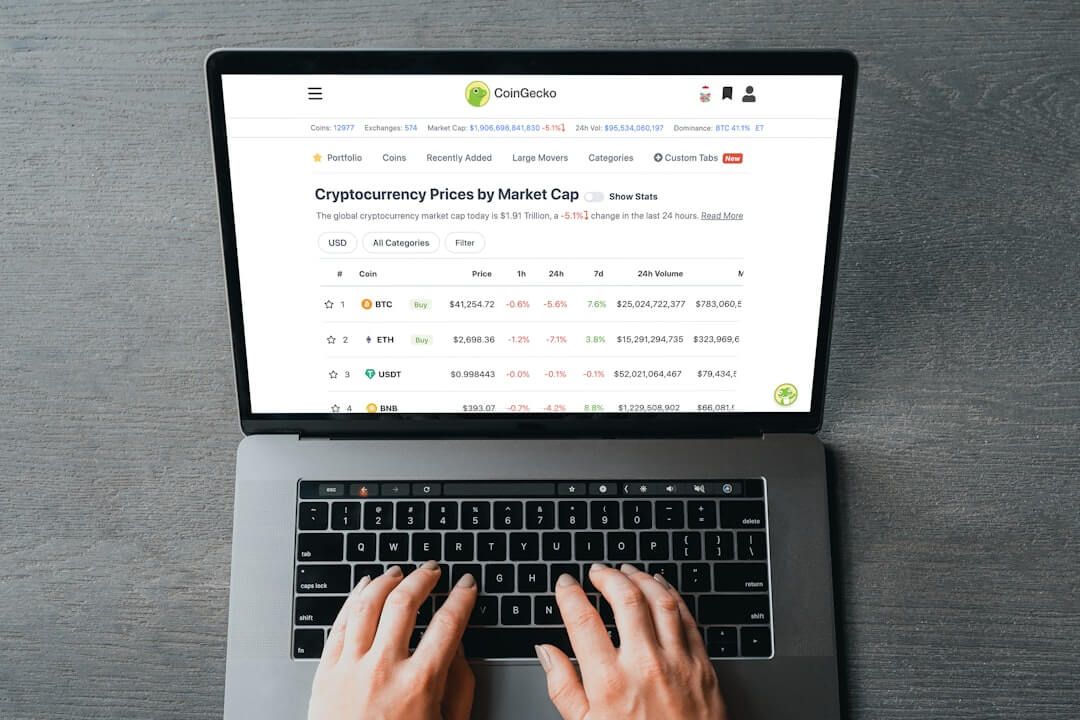
Free traffic is never truly free because it costs time, skill, and consistency.
Still, it is the strongest long-term partner to bought traffic because it compounds instead of resetting every time your budget runs out.
The best free channels for most sites are:
- SEO content: publish pages around high-intent questions and update them regularly
- Internal linking: send authority to your money pages from related articles
- Email marketing: turn one visit into repeated attention
- Community participation: answer questions in niche groups without spamming links
- Short-form video: repurpose your strongest ideas into lightweight distribution assets
When people ask about cheap ways to get website traffic 2026, this is the honest answer: combine low-cost bought traffic for testing with free channels for long-term demand creation.
That mix protects you from overdependence on any one source and makes your paid tests more useful because your pages improve over time.
What is changing for cheap website traffic in 2026?
The next big shift is not just traffic cost. It is measurement, compliance, and source transparency.
In cheap website traffic methods 2026, buyers will need to pay closer attention to privacy rules, consent handling, attribution loss, and the rise of AI-assisted discovery that reduces some traditional clicks.
Three changes matter most:
- Privacy regulation: stricter expectations around consent, tracking disclosures, and data handling make sloppy traffic setups harder to justify
- AI search behavior: more discovery happens in answer engines, which changes how users arrive and what intent they bring
- Quality scrutiny: teams are getting better at spotting traffic that inflates dashboards but does not move revenue
This does not mean cheap traffic disappears.
It means cheap website traffic legitimate ways to get traffic 2026 will favor transparent providers, better tagging, and tighter conversion-focused use cases over blind volume buying.
Smart buyers will also plan for partial attribution loss.
That means judging campaigns with multiple signals, including on-page engagement, assisted conversions, CRM outcomes, and post-visit actions rather than one session metric alone.
What to do next
Start with one page, one goal, and one small traffic test instead of trying to scale cheap traffic across your whole site at once.
Track every visit with UTMs, watch engagement closely, and keep building SEO, email, and referral channels in parallel. If you want a low-friction way to test real human traffic, SimpleTraffic is a sensible place to start.
Frequently Asked Questions
Can I buy website traffic?
Yes, but it only makes sense when the traffic is real, the source is clear, and you measure outcomes beyond sessions. Bought traffic is most useful for testing offers, pages, and cold-audience behavior.
Where can I check website traffic for free?
You can check your own site traffic for free with Google Analytics and Google Search Console. For campaign-level link tracking, tools like Bitly can also help you compare visits across tagged links.
How to get website traffic for free?
Use SEO, internal links, email, social distribution, and community participation to build traffic without paying for every visit. The tradeoff is time, since free channels usually grow slower than paid tests.
Does buying website traffic help SEO?
Not directly. Traffic purchases do not replace helpful content, technical SEO, or authority building, and poor-quality visits can confuse your reporting.
What is the safest way to use cheap website traffic?
Use it as a controlled test channel with UTMs, conversion tracking, and a dedicated landing page. Judge success by engagement and business actions, not raw visitor counts.
Is cheap website traffic always bot traffic?
No, but a lot of very low-cost traffic is low quality or poorly explained. The key is to choose providers that are transparent about source type and focus on real human visitors.
How much cheap website traffic should I buy first?
Start small enough that a failed test will not matter financially. A limited campaign gives you clean data on bounce rate, clicks, form starts, and conversion before you decide whether to continue.
Can cheap website traffic damage my brand?
It can if the source is misleading, irrelevant, or spammy enough to create a poor first impression. Brand risk is lower when traffic is targeted sensibly and sent to a page built for cold visitors.