
Safe Site Traffic Services for Affiliate Marketing: How to Stay Compliant and Test Traffic Quality

Quick answer: Safe site traffic services for affiliate marketing send real human visitors, disclose how traffic is sourced, and give you enough tracking to verify engagement before you scale. The safest approach for safe site traffic services for affiliate marketing is to send visitors to your own landing page first, follow affiliate network rules, and use tagged analytics to avoid fake traffic services affiliate marketing problems. If you need a simple testing option, SimpleTraffic can work as a controlled cold-traffic source when you measure traffic quality instead of chasing raw visit counts.
Where can I get traffic for my affiliate links?

You can get traffic for affiliate links from search, email, social content, communities, native ads, PPC, and paid visitor services. The safest setup is usually indirect, meaning you send traffic to a pre-sell page or landing page you control rather than dropping cold visitors straight onto an affiliate link.
That matters because many affiliate networks care about traffic quality, disclosure, and user intent. A controlled landing page also gives you first-party data you can inspect before deciding whether a source is worth scaling.
Here are the safest places to start:
- Organic search: slower to build, but often higher intent and easier to defend with network compliance reviews
- Email traffic: strong when the list is permission-based and the offer matches subscriber expectations
- Native and PPC: useful for intent testing, but policy risk is higher and costs rise quickly
- Paid human visitor services: helpful for top-of-funnel testing when traffic is real, tracked, and sent to your own page first
If you want a quick test channel without building a full ad campaign, SimpleTraffic is a practical option for sending real visitors to a landing page, especially when you need fast feedback on message-to-offer fit.
Which traffic source is best for affiliate marketing?
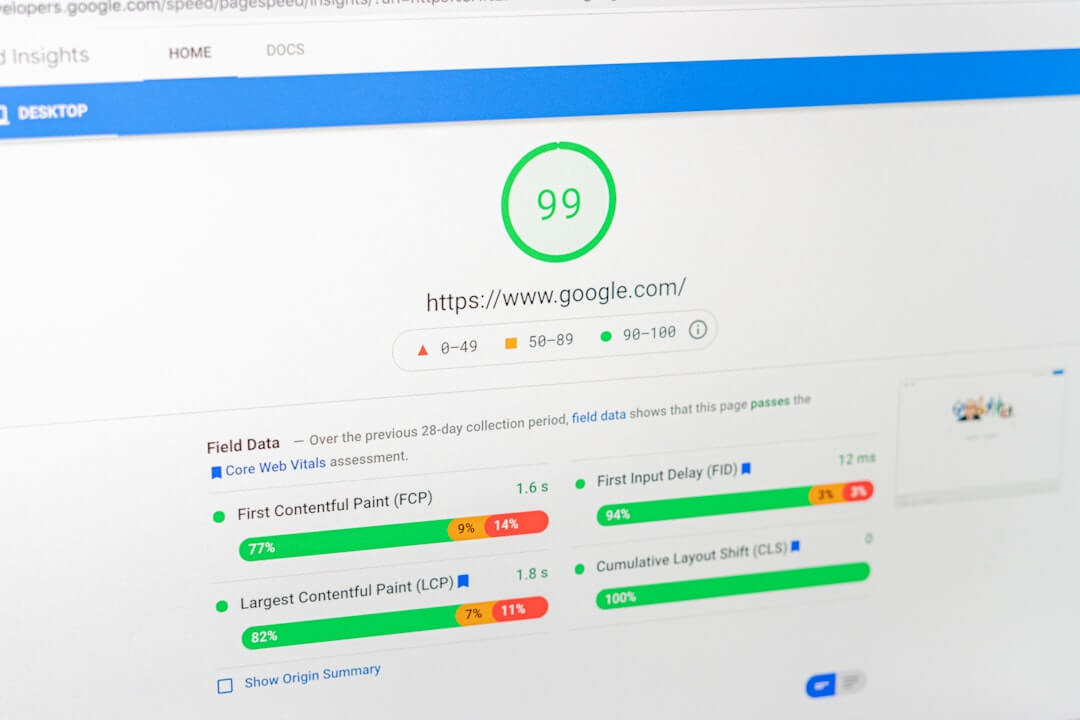
There is no single best source for every affiliate offer. The right channel depends on your payout, funnel depth, compliance limits, and how much intent you need before someone sees the offer.
For most affiliate marketers, search and email are the strongest long-term channels because they combine intent with clearer audience context. Paid traffic is still useful, but it works best as a testing layer rather than your whole business model.
This table shows how common sources compare for affiliate work.
Traffic sourceSpeedCompliance riskIntent qualityBest useSEOSlowLowHighLong-term evergreen offersEmailMediumLow to mediumHighWarm audience promotionsGoogle AdsFastMedium to highHighSearch-led commercial intentNative adsFastMediumMediumScaled top-of-funnel testingSocial organicMediumLowMediumAudience building and trustPaid visitor servicesFastLow to mediumLow to mediumLanding page testing and cold-traffic validation
According to the U.S. Federal Trade Commission's endorsement guidance, affiliate promotions must be clearly disclosed when needed. That requirement applies no matter where the traffic comes from.
What makes a traffic service safe for affiliate marketing?
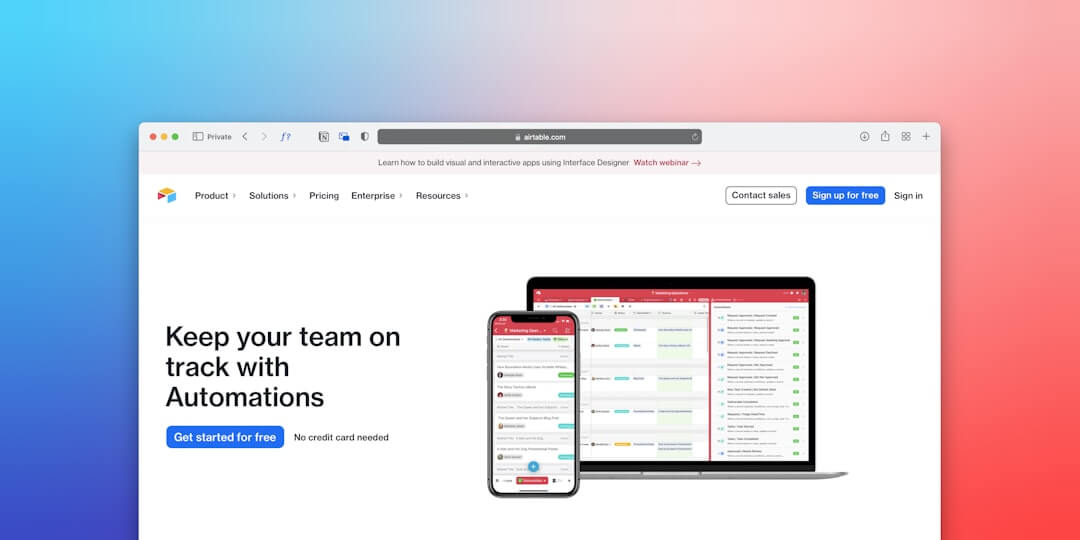
A safe service is not just one that sends visitors. It is one that helps you inspect whether those visitors behave like real people and whether the source fits the rules of the affiliate program you are using.
In practice, safe website traffic services for affiliate marketing share a few traits. They do not promise impossible conversion rates, they explain their traffic sources, and they make it easy to cancel or test with a small budget first.
Look for these signs before you buy:
- Real human traffic: not bots, not auto-refresh loops, and not hidden software traffic
- Source transparency: link shorteners, parked domains, referral networks, or other forwarded-source explanations should be stated clearly
- Tracking compatibility: support for UTMs, Bitly, and analytics platforms so you can audit the visit quality yourself
- Targeting controls: country, device, or URL rotation options that let you run a cleaner test
- Flexible risk control: simple cancellation and refund policies reduce exposure if results are poor
This is where many marketers get into trouble. They look for volume first, then discover the source cannot hold up under affiliate network review or internal fraud checks.
The safer mindset is to treat paid visits as test traffic. That is especially true if you are comparing safe legitimate website traffic services for affiliate marketing against cheaper providers making vague claims.
How to gain traffic for an affiliate marketing website?

Start with a page you control, one clear offer angle, and a tracking setup that tells you what visitors actually do. Affiliate traffic gets safer when your process is tight.
A simple workflow works better than a complicated one. You do not need five channels at once to learn what converts.
- Choose one offer with clear network rules and a realistic payout.
- Build a pre-sell page that explains the problem, frames the solution, and includes proper disclosures.
- Tag every source with UTMs so visits do not blur together in reporting.
- Set micro-conversions like scroll depth, click-through rate, opt-ins, or button clicks before you judge final revenue.
- Send a small traffic batch from one source only so you can isolate results.
- Review quality signals such as bounce rate directionally, time on page, click-through rate, geo match, and repeat patterns.
- Scale only after validation that the traffic is both compliant and commercially useful.
If you need a refresher on broader traffic planning, we covered source selection in our guide to the best website traffic source and practical measurement in this article on cheap website traffic.
How do you avoid fake traffic and compliance problems?

The biggest risk in affiliate traffic is not just wasting money. It is making decisions from bad data or triggering network scrutiny because the traffic looks misleading, low quality, or inconsistent with your promotion method.
To avoid fake traffic affiliate marketing risks, watch for traffic patterns that do not resemble normal user behavior. A flood of visits with near-zero page interaction is a warning sign, even if the traffic is technically recorded in analytics.
Check these signals together rather than in isolation:
- Geography match: do visitor locations match the targeting you paid for?
- Device consistency: does the device mix make sense for the offer and page design?
- Engagement depth: are users scrolling, clicking, and reaching key page elements?
- Conversion path quality: are visitors taking the next step or vanishing instantly?
- Time clustering: do sessions arrive in unnatural bursts with identical behavior?
Research from the Internet Advertising Bureau's affiliate marketing overview reinforces that affiliate success depends on transparent attribution and quality partner activity, not just traffic volume. That principle applies directly when you test cold traffic sources.
For extra control, use Bitly for tagged link management and review traffic behavior in your analytics platform before changing budgets. SimpleTraffic is useful here because it supports tracking-friendly setups and URL rotation, which makes cleaner split tests possible.
Is blackhat traffic ever worth it for affiliate marketers?

Usually, no. Blackhat traffic can create a short burst of clicks, but it increases refund risk, weakens your data, and can get accounts or offers restricted.
The trade-off is simple. Whitehat traffic gives slower, clearer learning, while blackhat traffic gives noisy numbers that are hard to trust.
Here is the practical difference:
- Whitehat traffic: disclosed sources, policy-friendly promotion, better long-term survivability
- Blackhat traffic: hidden methods, misleading redirects, lower trust, and a higher chance of account loss
- Measured cold traffic: sits in the middle when used honestly for testing, especially with pre-sell pages and clear analytics
Affiliate marketers often ask whether buy real traffic for affiliate marketing safe setups can compete with PPC or native ads. The honest answer is that bought traffic usually works best for validation, message testing, and top-of-funnel learning, not as a replacement for strong organic or intent-led acquisition.
According to a 2024 Statista report on digital advertising trends, paid channels continue to grow because advertisers value measurable outcomes, not just impressions. That is why safe legitimate paid traffic services for affiliate marketing should be judged by downstream behavior, not visit counts alone.
What to do next
Pick one affiliate offer, build a simple landing page you control, and run a small tracked test before you spend bigger. If you need fast cold-traffic data without launching a full ad account, SimpleTraffic is worth testing as one measured input in your wider traffic mix.
Frequently Asked Questions
How to get traffic for affiliate marketing for free?
Free traffic usually comes from SEO, short-form content, email, social communities, forums, and partnerships. It costs less in cash, but it usually takes more time and consistent publishing effort.
Can you make $10,000 a month with affiliate marketing?
Yes, but it depends on traffic quality, offer economics, conversion rate, and consistency. Most people do not get there quickly, and weak traffic sources make that target much harder to reach.
What website platform is best for affiliate marketing?
The best platform is one you control, can track properly, and can edit easily for compliance and conversion testing. For most marketers, that means a simple site or landing page builder with analytics and fast page speed.
Where can I get free traffic for affiliate marketing?
You can get free traffic from search engines, YouTube, newsletters, niche communities, and social platforms where your audience already spends time. The trade-off is slower ramp-up, but the traffic often has stronger trust if your content is useful.
What is the best site to do affiliate marketing?
There is no universal best site because the right choice depends on your niche and promotion style. A site you own is usually safer than relying only on third-party platforms because you control the content, tracking, and disclosures.
What is the best traffic source for affiliate marketing?
Search traffic is often the best long-term source because it captures demand that already exists. Paid traffic can still be valuable for testing, but it should be measured carefully and used within program rules.
Where to get traffic for affiliate marketing?
Start with channels that let you measure behavior clearly, such as SEO, email, native ads, PPC, and tracked paid visitor services. If you use a service like SimpleTraffic, send visitors to your own landing page first so you can check quality before pushing harder.
Are paid traffic services allowed in affiliate marketing?
Sometimes, yes, but only if the affiliate network and offer terms allow that promotion method. Always read the program rules first because some networks restrict direct linking, certain geos, or incentivized-looking traffic patterns.
Should I send bought traffic directly to an affiliate link?
Usually not. Sending traffic to your own landing page is safer because you can add context, disclosures, and tracking while filtering weak sources before they touch the offer.
How much traffic should I test before scaling an affiliate offer?
Start small enough that a failed test does not matter financially, but large enough to show behavior patterns. For many offers, the first goal is not profit but learning whether the source produces clicks, engagement, and clean next-step actions.