
Get More Visitors to Your Website: A Practical 90-Day Plan for Faster Traffic and Better Testing

Quick answer: To get more visitors to your website, use a mix of long-term channels like SEO, AI-search-friendly content, email, and short-form video, plus fast testing channels that bring in real human visitors. The strongest approach is to improve a few key pages first, track every source with UTMs, and test cold traffic in small batches. If you need faster visitor data for landing pages or multiple URLs, services like SimpleTraffic can help you generate measurable human visits without waiting for SEO to kick in.
Why do most websites struggle to get more visitors?

Most sites do not have a traffic problem so much as a focus problem. They spread effort across too many channels before fixing the pages that are supposed to convert visitors.
Another issue is timing. SEO, partnerships, and email lists compound slowly, while many site owners need feedback now.
A third problem is poor tracking. According to the U.S. National Institute of Standards and Technology, web measurement quality depends on accurate data collection and consistent reporting standards, which is why UTMs and clean analytics setup matter before you try to scale any channel.
Common reasons traffic stalls include:
- Weak page intent: the page does not clearly match what the visitor expected to find
- No channel-to-page fit: social traffic, AI traffic, and cold traffic often need different landing page angles
- Slow feedback loops: teams wait months for SEO data when a small paid test could show problems sooner
- Bad attribution: visits arrive, but you cannot tell which source created engagement or conversions
If this sounds familiar, the fix is not doing everything. It is choosing a few channels that match your offer and measuring them properly.
Which traffic sources should you prioritise first?
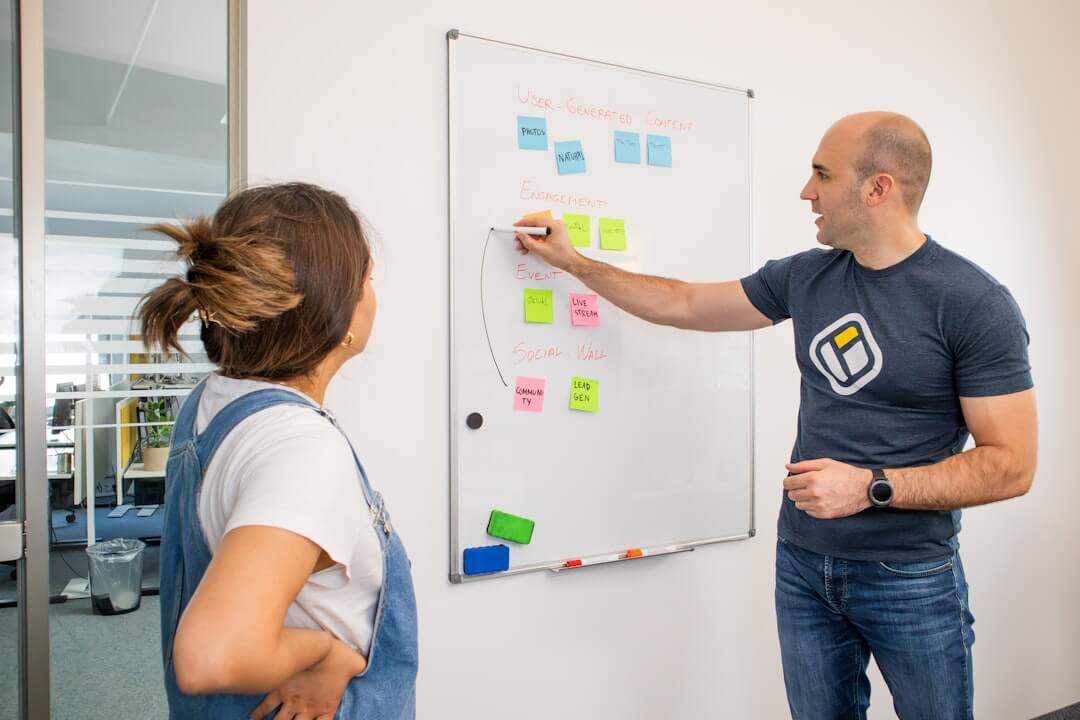
The best starting point depends on whether you want leads, sales, testing data, or brand awareness. For most small teams, the right mix includes one compounding channel, one retention channel, one discovery channel, and one fast-feedback channel.
That mix gives you stability while still producing learnings this month. It also protects you from depending on one source that can drop without warning.
Here is a simple way to prioritise channels:
GoalBest first channelWhy it mattersWhat to measureLong-term traffic growthSEO and AI-search contentBuilds compounding discovery over timeNon-branded impressions, assisted conversionsQuick audience feedbackPaid human visitor testingShows how cold users behave on-pageEngagement rate, scroll depth, opt-insRepeat visitsEmail marketingBrings people back without paying againOpen rate, click rate, return sessionsAttention and reachShort-form videoExpands discovery fast when messages are clearView-to-click rate, profile visitsTrust and discussionCommunitiesCreates conversation and referral trafficReferral sessions, replies, signups
For a broader traffic mix, we covered channel selection in our guide to the best website traffic source for your goal in 2026.
If you need a practical shortcut, start with SEO or AI-search content for one core page, email capture on that page, and a small cold-traffic test to validate messaging.
How can AI search and modern SEO help you get more visitors?

Search traffic now includes more than classic blue links. People discover brands through AI answers, follow-up branded searches, summaries, and recommendation engines before they ever click a result.
That means your content needs to be easy to quote, easy to summarise, and tightly matched to clear questions. Research from Pew Research Center has repeatedly shown that search and discovery habits continue to shift with platform changes, especially on mobile and answer-led experiences.
Focus on these actions first:
- Tighten page intent so each page answers one main question or solves one main problem.
- Add quotable sections with clear definitions, short paragraphs, and specific facts.
- Build supporting content around related subtopics, FAQs, comparisons, and use cases.
- Improve technical basics like load speed, mobile readability, and internal linking.
- Track branded search lift after publishing, because AI exposure often leads to later direct or branded visits.
Modern SEO also benefits from behavioural signals. If visitors leave in seconds, your rankings and AI discoverability are less likely to improve over time.
This is where machine learning thinking helps, even if you are not building your own models. Look for patterns in which traffic source, device type, geography, and page angle produce the best engagement, then adjust your next content and campaign decisions around those patterns.
If you want the wider playbook for search, zero-click, and fast testing, our post on increasing website traffic in 2026 goes deeper.
What fast channels can bring visitors before SEO compounds?

Sometimes you need traffic this week, not next quarter. In that case, short-form video, community distribution, referral outreach, and paid visitor testing can give you data much faster.
The key is using them for the right job. Fast channels are best for message testing, offer validation, and page improvement, not for pretending you have long-term demand when you do not.
Useful fast channels include:
- TikTok and Instagram Reels: good for hooks, education, and quick reach when the first three seconds are strong
- LinkedIn and niche communities: useful for B2B, professional services, and founder-led distribution
- Discord or Slack groups: helpful when your market already gathers around a shared problem or toolset
- Referral partnerships: effective when adjacent businesses serve the same audience without competing directly
- Paid human traffic services: useful for cold-traffic testing when you want to measure on-page response quickly
For B2B and service businesses, TikTok can work better than many assume. The trick is not dancing around trends but turning niche expertise into short, concrete advice that earns curiosity and profile clicks.
When you want fast, controlled visitor data, SimpleTraffic is a practical option because it sends real human visitors from its partner network and lets you rotate URLs or apply targeting preferences. That makes it useful for testing landing pages, offers, and multiple destinations without building a full ad campaign first.
How should you track traffic quality and ROI now that cookies matter less?

Traffic volume alone is not enough anymore. Privacy changes, browser restrictions, and fragmented journeys mean you need a simpler, cleaner measurement framework.
Start with first-party measurement. That means UTMs, page-level conversion goals, CRM tagging, and event tracking you control.
A practical ROI framework for traffic looks like this:
- Source quality: engagement rate, time on page, scroll depth, return visits
- Page outcome: opt-ins, trial starts, purchases, booked calls, affiliate clicks
- Economic result: cost per lead, cost per acquisition, revenue per visitor, payback period
- Learning value: message clarity, audience fit, and which pages deserve more investment
Before you launch any campaign, set up a tracking structure like this:
Tracking elementExampleWhy it helpsUTM sourcesimpletrafficSeparates paid visitor tests from other channelsUTM mediumpaid_trafficGroups similar campaigns togetherUTM campaignhomepagetestjulyLets you compare tests over timeConversion eventleadformsubmitMeasures the business outcomeSecondary eventscroll75 or CTAclickShows whether the page is engaging
If you use Bitly for link management, keep naming conventions consistent across all campaigns. For analytics, Google Analytics remains useful for validating traffic acquisition and on-site behaviour, especially when paired with tagged URLs.
This matters even more with forwarded or redirected visitors. We explained the attribution side in more detail in our article on whether forwarded traffic counts in Google Analytics.
What does a practical 90-day plan to get more visitors look like?

A good plan balances speed with compounding growth. You want some traffic now, but you also want a stronger traffic engine three months from today.
Here is a simple 90-day plan:
- Weeks 1-2: fix key pages by improving headline clarity, CTA placement, mobile layout, and tracking setup.
- Weeks 3-4: publish support content that answers buyer questions and can be cited by search engines and AI tools.
- Weeks 5-6: launch short-form video around one offer, one problem, and one call to action.
- Weeks 7-8: test community distribution in relevant LinkedIn groups, Slack communities, newsletters, or partner channels.
- Weeks 9-10: run a small cold-traffic test to see how new visitors behave on your best page.
- Weeks 11-12: scale what worked and cut anything that brought poor engagement or weak conversions.
Keep your expectations realistic. According to marketing benchmarks published by major analytics platforms and industry reports, conversion rates vary heavily by offer, traffic source, and page intent, so your first goal is usually learning, not instant profit.
This is why smaller, cleaner tests beat big messy launches. When one page, one audience angle, and one conversion goal are in place, the results are much easier to trust.
What to do next
Pick one page that matters most to your business and improve its message, tracking, and CTA this week. Then choose one compounding channel and one fast-feedback channel to test side by side. If you want quick cold-traffic data without setting up a full ad campaign, SimpleTraffic is worth considering as a measured testing source.
Frequently Asked Questions
How can I get more visitors to my website quickly?
Use a mix of fast channels like short-form video, partnerships, community distribution, and a small paid traffic test. Quick traffic is most useful when you already have a clear landing page and proper tracking in place.
What is the fastest way to test whether my website converts cold traffic?
Send a controlled batch of real visitors to one focused landing page and track engagement plus one primary conversion event. This gives you useful feedback faster than waiting for SEO or word of mouth alone.
Does paid website traffic help with SEO?
Paid traffic does not directly improve rankings in the way backlinks or technical SEO can. It can still help indirectly by giving you faster user-behaviour data so you can improve pages that later perform better in organic search.
Is buying website visitors safe?
It can be safe if the traffic is real human traffic, used for the right purpose, and tracked properly. The biggest risks come from bot traffic, unclear sources, or expecting bought traffic to replace long-term growth channels.
What should I measure besides pageviews?
Look at engagement rate, scroll depth, conversion rate, return visits, and cost per acquisition. Those metrics tell you whether visitors are useful, not just numerous.
Can SimpleTraffic help me get more visitors to my website?
Yes, if your goal is to generate real human visits quickly for testing, promotion, or multi-URL campaigns. It is most useful as a measured traffic source alongside SEO, email, content, and other longer-term channels.
How much traffic do I need before I can judge a page?
There is no universal number because confidence depends on your conversion rate and traffic consistency. In practice, you need enough visits to spot patterns in engagement and conversions rather than reacting to a handful of sessions.
Do TikTok and Instagram Reels really work for B2B traffic?
They can, especially when the content teaches something concrete or challenges a common assumption in your market. B2B viewers still respond to clear hooks, useful advice, and proof that you understand their problem.
How do privacy changes affect website traffic tracking?
They make attribution less complete, especially across devices and delayed conversions. That is why first-party tracking, UTMs, and simple conversion reporting matter more than ever.