
Best Website Traffic Source: How to Choose the Right Channel for Your Goal in 2026

Quick answer: The best website traffic source depends on your goal, timeline, and budget. For most businesses, organic search delivers the strongest long-term ROI, while email, referrals, AI-driven discovery, paid search, and paid human visitor services each play different roles. If you need fast testing data from real human visitors, SimpleTraffic can complement slower channels when used with clear tracking and realistic expectations.
What makes one website traffic source better than another?
A traffic source is only "best" if it brings the right visitors for the job you need done. Volume matters, but so do conversion rate, time to results, cost, and how well you can measure the source.
In practice, the best source for a SaaS landing page is not always the best source for an affiliate review site or local service business. That is why broad advice often feels vague.
Here are the four filters that matter most:
- Intent match: Does the visitor already want what you offer, or are you interrupting them cold?
- Speed to signal: How quickly can you learn whether the page, offer, or funnel works?
- Cost efficiency: What does the source cost per useful action, not just per click or visit?
- Attribution clarity: Can you track where the visit came from and what happened next?
According to a 2024 report from HubSpot's State of Marketing, marketers still rank website traffic and lead generation among their top priorities, but channel performance varies widely by business model. That is why channel selection has to be goal-led, not trend-led.
Which traffic sources work best for different goals?

Different channels solve different problems. If you treat all traffic sources as interchangeable, you will misread performance and waste budget.
This table shows where each source usually fits best.
Traffic sourceBest use caseSpeedTypical qualityMain limitationOrganic searchLong-term demand captureSlowHigh intentTakes time and consistent content workAI referral trafficEarly discovery and assisted researchMediumMixed to highAttribution is still messyPaid searchConversion-focused campaignsFastHigh intentCan get expensive quicklyEmail marketingRetention and repeat trafficFastHighNeeds an existing audienceReferral partnershipsTrust-based acquisitionMediumHighHarder to scale on demandSocial mediaAwareness and community buildingMediumMixedIntent is usually weakerPodcast, Slack, Discord communitiesNiche audience reachMediumOften strongRequires fit and credibilityPaid human visitor servicesCold traffic testing and fast visit volumeFastVariable by setupBest used for testing, not as a full growth engine
For most sites, organic search is still the strongest overall source because it captures existing demand. Research from BrightEdge has long shown organic search contributes a large share of trackable web traffic for many businesses, even as discovery habits change.
Still, "strongest overall" is not the same as "best for every task." If you need answers this week rather than six months from now, faster sources matter.
Is organic search still the best website traffic source overall?

Usually, yes. Organic search tends to offer the best long-term return because visitors arrive with active intent and the traffic can compound over time.
That said, search is no longer just blue links on Google. Discovery now includes Google AI Overviews, ChatGPT, Perplexity, Gemini, Claude, and branded follow-up searches that start after an AI answer.
This shift changes how you should think about organic traffic:
- Search is now multi-surface: A user may discover your brand through AI, then visit later via direct or branded search.
- Clicks are less predictable: Zero-click behavior has grown, especially for simple queries.
- Topical authority matters more: Pages that answer a question clearly are more likely to be cited or summarized.
- Measurement needs context: Assisted conversions often matter more than last-click reports suggest.
If you want the deeper measurement side of this, SimpleTraffic already covered it in its guide to organic website traffic and how AI is changing it. That is useful when organic traffic seems flat but assisted demand is actually rising.
A simple rule helps here. If your goal is durable acquisition, invest in search-led content first, then layer faster channels on top.
How should you balance AI traffic, paid traffic, and organic traffic?
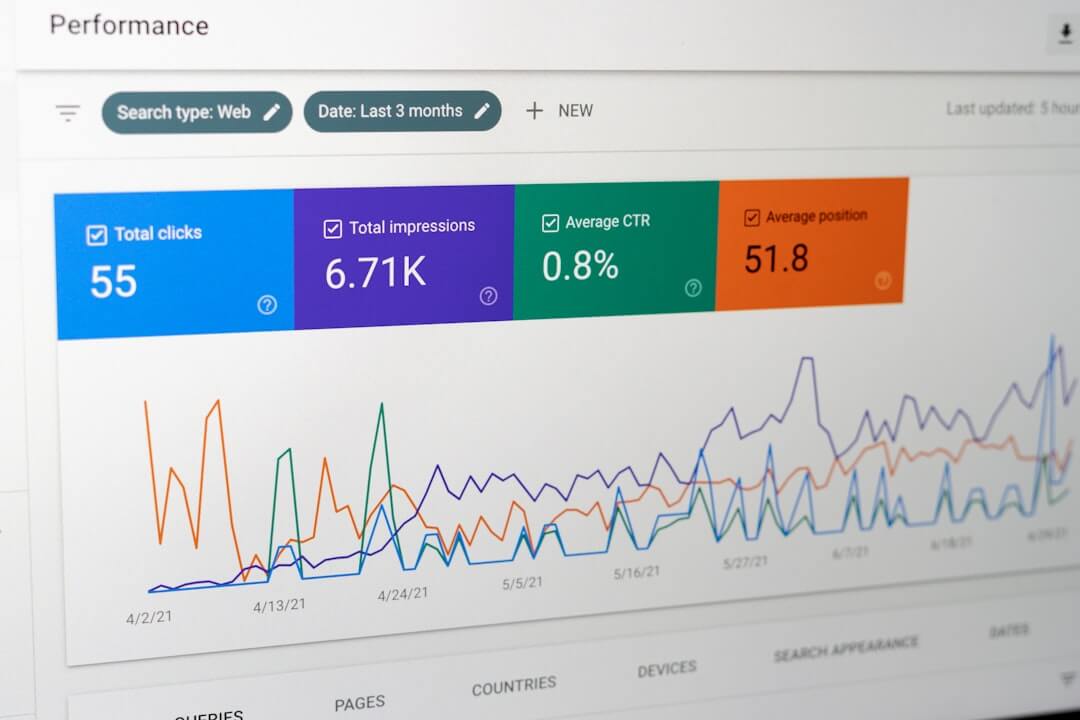
The smart move is not choosing one source forever. It is building a balanced mix where each source has a specific job.
A practical framework looks like this:
- Use organic search to capture high-intent demand over time.
- Use AI referral optimisation to earn mentions and citations in answer engines.
- Use paid search or paid social for controlled offer testing and conversion campaigns.
- Use email to bring people back after the first visit.
- Use referrals and niche communities to reach relevant audiences that trust the source.
- Use paid human traffic when you need quick cold-traffic feedback on a page, funnel, or multiple URLs.
This matters because attribution is getting less clean. Privacy changes, browser restrictions, and AI-assisted journeys mean the first touch, assisting touch, and converting touch are often different.
According to the Pew Research Center, user behavior around search, discovery, and platform use keeps fragmenting across channels and devices. That makes single-channel strategies weaker than they used to be.
When speed matters, services like SimpleTraffic can help you generate real website visitors for testing without waiting for SEO to mature. It is most useful when you tag links properly, rotate URLs intentionally, and judge success by behaviour rather than raw sessions.
What metrics tell you whether a traffic source is actually good?

A lot of traffic sources look good until you measure the right thing. Sessions alone can hide low intent, weak engagement, or poor fit.
Start with a small set of quality metrics you can compare across sources:
- Engagement rate: Do visitors stay, scroll, and interact?
- Conversion rate: Do they opt in, buy, book, or complete the page goal?
- Cost per qualified visit: What are you paying for visits that meet a minimum quality threshold?
- Assisted conversions: Does the source influence later conversions even if it is not last click?
- Return visit rate: Do visitors come back through direct, email, or branded search?
- Landing page fit: Does one source perform clearly better on one page type than another?
For privacy-first measurement, use UTMs, server-side data where available, and simple source grouping that survives cookie loss. If you are using redirected or forwarded traffic, consistency matters more than fancy attribution models.
You can also use tools like Bitly for tagged links and cleaner link management when rotating URLs or comparing campaign variants. For analytics, keep your naming conventions tight so traffic from AI tools, referrals, email, and paid testing can be separated cleanly.
If you need a practical tracking setup, this guide on how to increase website traffic beyond SEO complements the measurement side well without repeating it here.
When does paid human traffic make sense as a website traffic source?

Paid human traffic makes sense when your priority is speed, early testing, or controlled promotion. It is especially useful when you want to see how cold visitors respond before investing more heavily in SEO, outreach, or larger ad campaigns.
It is not a magic substitute for product-market fit or strong messaging. Think of it as a testing channel, not your whole growth strategy.
The best use cases are usually:
- Landing page validation: Check whether a page gets engagement from cold visitors.
- Offer testing: Compare headlines, CTAs, layouts, or page versions.
- Multi-URL promotion: Rotate traffic across several pages without building separate campaigns from scratch.
- Audience signal gathering: See whether one geo or device segment behaves differently.
- Fast traffic top-ups: Support short-term visibility when organic momentum is still building.
This is where SimpleTraffic fits naturally. It sends real human visitors from redirected sources like link shorteners, monetized sites, and parked domains, and it works best when paired with UTM tracking, clear conversion goals, and realistic benchmarks.
Compared with many traffic services in this category, the practical advantage is control. You can test targeting preferences, rotate URLs, and cancel without getting boxed into a long commitment.
What is the best decision framework for choosing a traffic source right now?
If you are stuck, do not ask which source is best in general. Ask which source is best for your next specific outcome.
Use this simple framework:
- Define the goal before the channel. Choose one priority such as sales, email signups, page testing, awareness, or market validation.
- Match the source to intent so high-intent offers go to search and lower-intent experiments go to faster testing channels.
- Set one primary metric such as cost per lead, assisted conversions, or qualified visits per page.
- Tag everything clearly using UTMs and consistent source naming.
- Run a small test first instead of scaling a guess.
- Review by source quality after 7 to 30 days, not by raw visit count alone.
- Keep the winners, cut the passengers and rebalance budget monthly.
A useful pattern for many small businesses is simple. Build organic search and email as your base, add referrals or communities for trust, then use paid search or paid human visitor campaigns for faster learning.
What to do next
Pick one page on your site and one traffic goal for the next 30 days. Then choose the source that best matches that goal, tag it properly, and run a small measured test before scaling.
If you need faster cold-traffic feedback, SimpleTraffic is a practical option to test real human visitor response without committing to a heavy ad setup. Just make sure you judge the source by engagement and conversion data, not visit counts alone.
Frequently Asked Questions
What is the best website traffic source for most businesses?
Organic search is usually the best long-term website traffic source because it captures people already looking for a solution. It tends to produce stronger ROI over time, but it works slowly and needs consistent content and technical upkeep.
Is AI referral traffic replacing organic search?
No, but it is changing how people discover brands and content. AI tools often assist discovery early in the journey, while branded search, direct visits, and later return visits still play a major role.
What is the fastest website traffic source?
Paid channels are usually the fastest, including paid search, paid social, and paid human visitor services. They can produce visits quickly, but quality depends on targeting, landing page fit, and how well you track the results.
Is paid traffic better than SEO?
Not overall. Paid traffic is better for speed and controlled testing, while SEO is better for long-term demand capture and lower marginal acquisition cost over time.
How do I know if a traffic source is high quality?
Look at engagement, conversion rate, assisted conversions, and return visits rather than sessions alone. A high-quality source brings visitors who actually match the page goal and move closer to revenue.
Can I use SimpleTraffic as my main traffic source?
It is better used as a complementary source for testing, promotion, and fast cold-traffic validation. For most businesses, the stronger setup is to pair it with organic search, email, and other repeatable channels.
What traffic source is best for testing a new landing page?
A fast source with measurable cold visitors is usually best for early testing. That can include paid search or a paid human visitor service, as long as the page has clear goals and the traffic is tagged properly.
How should I track AI and LLM-generated traffic?
Use UTMs wherever possible, group AI referrers separately in analytics, and watch for assisted conversions and branded search lift. Last-click reports often undercount the influence of LLM-driven discovery.