
Best Way to Promote a Landing Page Without Ads: 9 Practical Methods That Actually Bring Visitors

Quick answer: The best way to promote landing page without ads is to combine SEO, email, internal links, communities, and partnerships around one clear offer, then track every source with UTMs. The best ways to promote a landing page without paid ads 2024 still work because they match buyer intent, build compounding visibility, and help you learn how to drive traffic to a landing page organically. If you need faster feedback while organic promotion builds, services like SimpleTraffic can help you test cold-traffic response with real human visitors.
How do I promote my landing page?
Start with one landing page, one audience, and one conversion goal. Most promotion fails because people spread effort across too many channels before the page is ready.
A simple plan usually works better than a clever one. Focus on channels you control first, then add referral and organic distribution.
Here is the core promotion stack:
- SEO basics: match the page to one search intent and support it with related content
- Internal linking: send visitors from blog posts, homepage banners, and resource pages
- Email traffic: promote the page to subscribers, leads, and past customers
- Community distribution: share it where your audience already asks questions
- Partnerships: borrow trusted audiences through collaborations and guest placements
- Tracked testing: use UTMs so you know what actually sends engaged visitors
If you want a broader channel breakdown, we covered that in our guide to the best website traffic source by goal, budget, and measurement.
What makes a landing page easier to promote organically?
A page is easier to promote when the offer is obvious, the message is specific, and the page answers one main question fast. That matters for both humans and search engines.
According to Google’s search quality guidance, helpful pages should clearly satisfy user intent rather than exist only to rank or funnel traffic. You can review that principle in Google Search Central’s helpful content guidance.
Before promoting anything, check these page elements:
- Headline clarity: say what the offer is and who it is for
- Single CTA: avoid competing buttons and mixed next steps
- Mobile speed: many visits will come from mobile-first discovery
- Proof: include testimonials, numbers, screenshots, or short case examples
- Message match: align the page with the source sending the visitor
- Tracking setup: use UTM parameters and analytics before launch
This is where many so-called organic landing page promotion strategies break down. Traffic is not the first problem if the page is confusing.
A good example is a free template page for consultants. If the page promises “download the client proposal template,” shows a preview, includes three testimonials, and asks only for an email, it is much easier to promote in search, email, and communities than a vague page that tries to sell three services at once.
Which free channels work best for promoting a landing page?
The best free channels depend on whether your page solves an urgent problem, builds a list, or pushes a sale. In most cases, search, email, communities, and owned-site placement outperform random social posting.
Not every channel gives the same type of visitor. Some bring high intent, while others are better for awareness and early testing.
The table below shows what to expect from common free ways to promote a landing page.
ChannelBest forSpeedTraffic qualityNotesSEO-supported blog contentLong-term compounding trafficSlowHighBest when the landing page is tied to a clear queryInternal links from existing pagesQuick winsFastMedium to highOften overlooked and easy to implementEmail listWarm audiencesFastHighStrongest if the offer matches list intentNiche communities and forumsProblem-aware trafficMediumMedium to highWorks best when you answer first, link secondSocial posts and founder contentAwareness and repetitionMediumMediumBetter with consistency than one-off postsReferral partnershipsCredibility and reachMediumHighGood for webinars, tool roundups, and newsletters
One practical mix is this: publish one supporting article, add three internal links, send one email, and post two useful community answers that mention the landing page only when relevant. That approach is boring, but it works.
For a deeper look at organic traffic measurement, our post on organic website traffic and how AI is changing measurement explains what to track beyond raw visits.
How to drive traffic to a landing page organically?
The most reliable answer is to build a small content and distribution system around the page. A landing page on its own rarely earns much organic discovery unless the brand already has authority.
Use this step-by-step process:
- Pick one core query that matches the page’s offer and buyer intent.
- Create one support article that answers the broader question and links naturally to the landing page.
- Add internal links from relevant pages that already get visits.
- Publish short distribution assets such as a LinkedIn post, short video, email, or forum answer.
- Track every source with UTM tags in Bitly or your analytics setup.
- Review engagement after 7 to 14 days, then improve the weakest step.
This is one of the best ways to promote landing page organically without ads because each asset reinforces the others. The article builds search visibility, the email brings warm clicks, and the internal links pass attention from pages that already perform.
A realistic example helps. Say a SaaS founder creates a landing page for a “customer onboarding checklist.” They publish a blog post on onboarding mistakes, add links from three existing help articles, mention the checklist in their weekly email, and answer two relevant Reddit questions. Over 30 days, they might see 300 to 800 targeted visits depending on domain strength, with email bringing the best conversion rate and search building slower but steadier traffic.
Research from HubSpot consistently shows that companies publishing helpful, search-focused content generate more indexed pages and more opportunities for organic discovery over time. That does not guarantee results, but it does support the idea that landing pages perform better when surrounded by useful content rather than left alone.
How to increase sales without advertising?
You increase sales without advertising by improving conversion paths and putting the offer in front of existing intent. In plain terms, get more from the traffic and audience access you already have.
For landing pages, that usually means:
- Tightening the offer: one promise, one audience, one CTA
- Using social proof: testimonials, review snippets, or usage numbers
- Adding follow-up: email sequences for people who do not convert on first visit
- Creating urgency carefully: deadlines, limited bonuses, or limited seats
- Expanding distribution: partnerships, affiliates, communities, and referral mentions
This is where user-generated content helps. A short customer quote, before-and-after example, or screenshot of a real result can raise trust more than an extra paragraph of copy.
If your audience is cold, organic channels may take time to validate whether the offer itself is strong. Some marketers use SimpleTraffic for a small burst of real human visitors so they can test message clarity, bounce rate, and conversion behavior before investing more time in long-term promotion.
That kind of test should stay measured. Judge it by signups, click depth, and assisted conversions, not by vanity traffic numbers.
What are common landing page mistakes?

Most promotion problems are really page problems. If the page is weak, even strong channels underperform.
The most common mistakes are easy to spot:
- Too many goals: download, book, buy, and subscribe all on one page
- Weak headline: the visitor cannot tell what they get in five seconds
- No trust signals: no testimonials, proof, or product context
- Poor source alignment: the visitor clicks for one thing and sees another
- No measurement: visits arrive, but you cannot tell where from or what they did
- Ignoring cold traffic: the page assumes the visitor already knows the brand
There is also a hidden mistake in many articles about the best ways to promote landing page without paid ads. They recommend ten channels but skip page readiness, which is why people work harder without seeing better results.
If you are using redirected or forwarded visitors for testing, read our guide on what gets tracked in Google Analytics when traffic is forwarded. Attribution mistakes can make a decent campaign look useless.
When should you use paid traffic testing if you want to avoid ads?
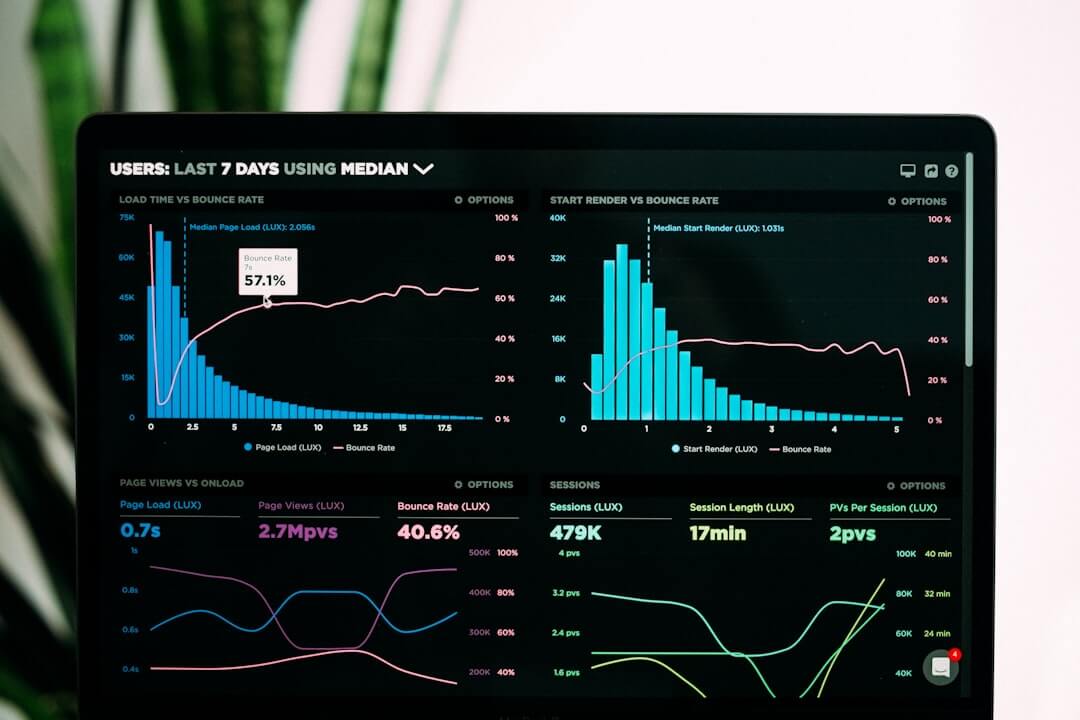
Avoiding ads does not always mean avoiding every paid traffic source. Sometimes the fastest way to improve an organic campaign is to get early behavioral data from a controlled test.
This makes sense when:
- You need validation fast: for a new offer, funnel, or lead magnet
- Your SEO base is still small: and organic reach will take months
- You want cold-traffic data: before expanding content or partnerships
- You manage multiple URLs: and need quick rotation or comparison testing
SimpleTraffic fits this use case because it can send real website visitors from redirected sources without forcing you into a complex ad platform workflow. It is not a replacement for search, email, or partnerships, but it can be useful for quick learning, especially when paired with UTM tracking and a clear conversion goal.
That balance matters. The best organic ways to promote landing page without ads are still your long-term engine, while a small paid human-traffic test can help you improve the page sooner.
What to do next
Pick one landing page and audit it before you chase more traffic. Then choose three channels only: one search-focused, one audience-owned like email, and one distribution channel like communities or partnerships, and track each one for two weeks before changing the plan.
Frequently Asked Questions
How to promote landing pages?
Start with one clear offer and one audience, then use internal links, email, search-focused content, and relevant communities to send visitors. Promotion works better when the page is conversion-ready and every source is tracked with UTMs.
Is $20 a day good for Google Ads?
It can be enough for testing in some niches, but it is often too small for competitive keywords or meaningful statistical confidence. If you want to avoid ad spend entirely, organic promotion and small tracked traffic tests can be a more practical first step.
What is the best one page builder?
The best one-page builder depends on your needs, such as speed, design flexibility, integrations, or ease of use. What matters more than the builder itself is whether the landing page loads quickly, communicates clearly, and supports tracking.
How to monetize a website without ads?
Common options include lead generation, affiliate offers, digital products, subscriptions, consulting, and email capture that leads to sales later. A focused landing page often plays a key role by turning visitors into leads or customers without relying on display ads.
What are the landing page trends for 2026?
The main trends are tighter messaging, stronger proof, AI-friendly structure, mobile-first layouts, and more emphasis on first-party data. Pages that answer intent quickly and measure traffic quality will usually outperform pages built only for aesthetics.
How to get 1000 visitors a day to your website?
That usually requires a mix of channels rather than one tactic, such as SEO, email, community distribution, partnerships, and sometimes paid testing. The better question is whether those visitors are qualified and whether the page converts them.
Can a landing page rank in Google on its own?
Yes, but it is often harder than ranking a supporting article because landing pages tend to be narrower and more commercial. They rank more easily when backed by internal links, clear intent matching, and supporting content.
Should I send social traffic directly to a landing page?
Yes, if the message match is strong and the page is simple enough for a cold visitor to understand quickly. For broader social audiences, a helpful post or short content asset that warms people up first often performs better.
Is SimpleTraffic useful if I do not want to run ads?
It can be useful for measured testing when you want real human visitors without setting up a full ad campaign. The key is to treat it as a feedback source for conversion and engagement, not as a substitute for long-term organic growth.