
Organic Website Traffic: What It Is, How to Grow It, and How AI Is Changing Measurement in 2026
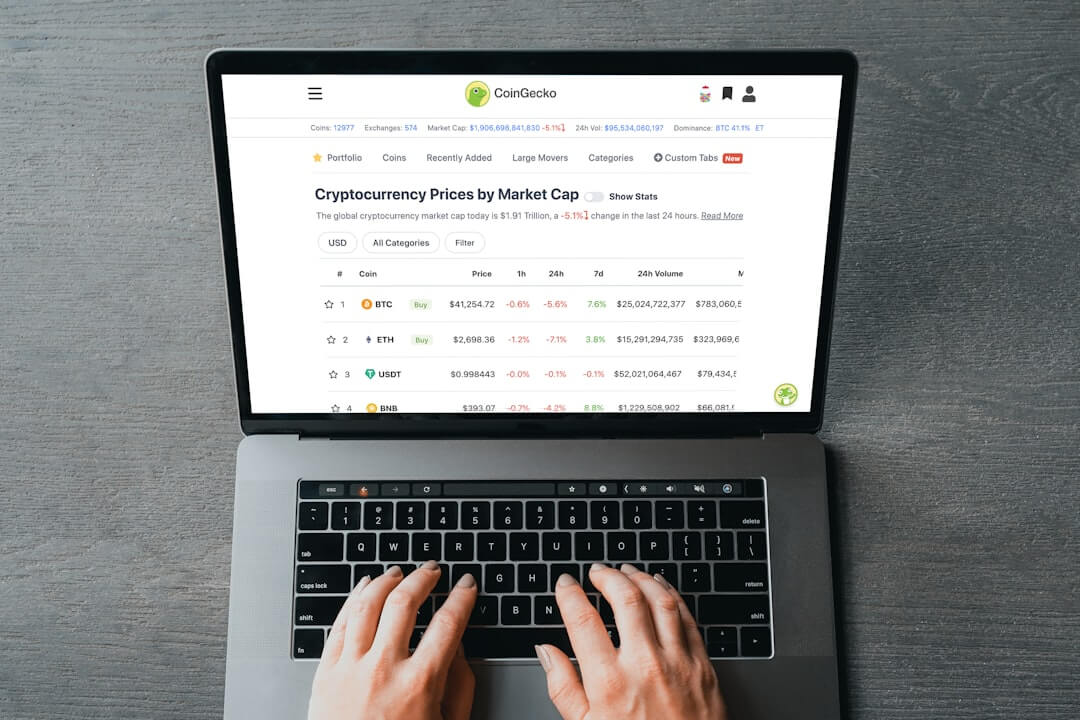
Quick answer: Organic website traffic is unpaid traffic that reaches your site through search-led discovery, including classic search engines and newer AI-assisted journeys. If you are asking what is organic website traffic or looking for how to increase organic website traffic 2026, the short version is this: earn visibility by matching search intent, improving technical SEO, and measuring quality beyond clicks. Organic traffic compounds over time, but in 2026 it also needs better tracking because some discovery happens through AI summaries, assistants, and zero-click search experiences.
What is organic traffic on a website?

Organic traffic means visits that come from unpaid search results rather than ads, direct URL entry, email, or referrals from other sites.
In plain terms, someone searches for a topic, sees your page in search results, and chooses to visit without you paying for that click. That is the core organic website traffic definition most marketers use.
This traffic can come from several discovery paths:
- Traditional search engines: Google, Bing, and Yahoo still drive most reported organic sessions
- AI-assisted search journeys: people discover pages through AI answers, search summaries, and follow-up browsing
- Image and video search: search-driven discovery is not limited to blue links anymore
- Local and regional search: map results, local packs, and language-specific results can influence organic visits
According to Google Search Central, SEO is about helping search engines understand your content and helping users find your site. That is why Organic website traffic definition SEO is closely tied to visibility, relevance, and crawlability.
What is an example of organic traffic?
A simple example is a user searching “best running shoes for flat feet,” clicking a non-ad result from your blog, and landing on your site. Because the click came from an unpaid search listing, it counts as organic traffic.
Another example is someone asking an AI assistant a question, then clicking the cited source that leads to your page. In reporting, that visit may not always be perfectly labeled, which is one reason organic website traffic measurement is getting more complicated.
Here is a quick comparison of common traffic sources.
Traffic sourceHow it happensPaid or unpaidCommon analytics labelOrganic searchUser clicks unpaid search resultUnpaidOrganic SearchPaid searchUser clicks search adPaidPaid SearchDirectUser types URL or uses bookmarkUnpaidDirectReferralUser clicks a link from another siteUnpaidReferralSocialUser clicks from social platformUsually unpaid, sometimes paidOrganic Social or Paid Social
A useful check is intent. If the visit started with a search query and no ad spend was involved, it is usually organic.
How do I get organic traffic to my website?

The basic answer is to publish pages that match real search intent, make them easy to crawl, and improve them based on performance data. If you want how to increase organic website traffic, that is still the foundation.
What changes in 2026 is that you also need content structured for search engines and AI extraction. That means concise definitions, strong headings, clear entities, useful examples, and quotable answers.
A practical process looks like this:
- Pick intent-first topics based on questions people actually ask.
- Map one page to one main query so the page has a clear job.
- Write for complete answers instead of trying to squeeze in keywords repeatedly.
- Improve on-page SEO with strong titles, internal links, descriptive headings, and helpful media.
- Fix technical barriers like poor mobile usability, slow pages, indexing problems, or duplicate content.
- Measure quality using engaged sessions, conversions, scroll depth, and assisted conversions.
- Refresh winners regularly when rankings slip or the SERP changes.
We covered broader traffic tactics in our guide to getting more website traffic with practical strategies. Here, the focus is narrower: how organic growth works and how to measure it well.
There is also a timing issue. Organic growth usually takes longer than paid campaigns, so some teams use SimpleTraffic to send real human visitors for short-term testing while SEO pages mature, especially when they want cold-traffic feedback on landing pages or multiple URL variations.
What is the difference between SEO and organic traffic?

SEO is the work. Organic traffic is the result.
Put differently, SEO includes the technical, content, and authority-building actions that help your pages rank, while organic traffic is the unpaid visits you receive when that work succeeds. That distinction matters because you can do SEO activity without seeing meaningful traffic yet.
A quick way to separate them:
- SEO: keyword research, content optimization, internal linking, site speed, schema, crawl fixes
- Organic traffic: sessions, clicks, impressions, rankings that turn into visits, and downstream conversions
- Business outcome: leads, sales, signups, and revenue influenced by those organic visits
This is why the importance of organic website traffic goes beyond vanity metrics. Good SEO should create sustainable discovery that reduces dependence on paid acquisition over time.
Research from BrightEdge has long shown that organic search drives a large share of trackable website traffic for many industries. The exact percentage varies, but the pattern is consistent: search remains a major acquisition source when your site matches demand well.
How to check organic traffic on a website?

Start with analytics and search performance tools together, not separately. Analytics shows visits and behavior, while search data shows impressions, clicks, and queries.
For most sites, the main setup is:
- Google Analytics 4: review Traffic acquisition, Landing page, and Conversion reports
- Google Search Console: review queries, pages, click-through rate, and indexing status
- UTM discipline: keep non-organic campaigns tagged so they do not muddy source reporting
- Segment by device and region: desktop, mobile, country, and language patterns often differ more than expected
If you need a fuller walkthrough on traffic measurement, see our post on what website traffic is and how to measure what matters. It complements this topic without repeating the same angle.
In 2026, measurement is harder because some AI tools reduce visible referral detail. A user might discover your brand through an AI answer, then return later through direct search or a branded query, which means classic last-click attribution can undercount the original influence.
That is where multi-touch attribution becomes useful. Instead of giving all credit to the last visit, you look at the full path across organic, referral, email, and direct touchpoints.
Why is organic website traffic harder to measure now?

Search behavior has changed. People now discover information through AI Overviews, chat assistants, voice interfaces, and zero-click summaries before they ever visit a website.
That creates two problems. First, fewer visits may be recorded even when your content influenced the answer, and second, some visits that do happen may appear later as direct or branded traffic instead of cleanly attributed organic sessions.
A stronger 2026 measurement approach includes:
- Assisted conversions: check whether organic sessions support later conversions even if they are not the final click
- Branded search lift: watch for increases in brand-name queries after strong non-branded content visibility
- Landing page cohorts: judge groups of SEO pages by conversion quality over time, not by sessions alone
- Engagement signals: use engaged sessions, time on page, scroll depth, and return visits to score quality
- AI citation tracking: monitor referral spikes, branded demand, and source mentions where possible
This is one of the biggest gaps in most articles about organic website traffic strategies 2025 and 2026. They explain rankings, but not enough about visibility that influences a user before the measurable click happens.
What should you do if organic traffic drops after an algorithm update?
First, do not assume the cause is one thing. Traffic drops can come from algorithm changes, technical errors, lost links, SERP feature shifts, weaker intent match, or tracking problems.
A calm recovery process works better than random page edits. Use this order:
- Check tracking first to confirm the drop is real and not a reporting issue.
- Compare affected pages to see whether the decline is sitewide, section-specific, or query-specific.
- Review search intent shifts because your page may still rank, but for less useful queries.
- Audit content quality for originality, completeness, freshness, and clarity.
- Inspect technical health including indexing, canonicals, internal links, mobile performance, and crawl issues.
- Study SERP changes such as AI Overviews, videos, local packs, or forums taking more space.
- Refresh and consolidate pages when multiple weak pages compete for the same query.
Not every page should be “updated” in the same way. Some need clearer answers, others need better structure, and some simply need to target a different intent.
When traffic is down and you still need user data fast, a paid human-visitor source can help test whether the page itself converts once people arrive. Used carefully, SimpleTraffic can support that kind of diagnosis by sending trackable cold traffic while your organic recovery work is still in progress.
How do regional, language, and industry differences affect organic traffic?
Organic performance is not uniform across markets. Search habits, device usage, language nuance, and local competition can change what works.
A page that performs well in the US may struggle in Spain, India, or Germany if the wording, examples, or search intent differ. Even identical products can face different SERP layouts and different trust signals by region.
Pay attention to these variables:
- Language intent: literal translation is not enough if local phrasing differs
- Search engine mix: some markets rely more on non-Google search behavior
- Device split: mobile-heavy regions may need lighter pages and shorter answer blocks
- Industry benchmark: SaaS, ecommerce, local services, and media sites naturally see different CTR and conversion patterns
- Regulatory context: privacy settings and consent flows can affect attribution quality
That is why an advanced traffic quality view matters more than raw visit totals. In some industries, lower-volume organic traffic converts much better than higher-volume informational traffic.
A useful internal score can combine:
MetricWhat it showsWhy it mattersEngaged session rateWhether visitors actually interactFilters weak trafficConversion rateWhether visits turn into outcomesConnects traffic to business valueAssisted conversion valueWhether organic helped later salesCaptures longer journeysReturn visit rateWhether visitors come backSuggests relevance and trustScroll depth or content completionWhether content was consumedUseful for informational pages
What to do next
Pick five important pages and audit them for intent match, technical health, and conversion quality before you publish anything new. If you need faster feedback while organic work compounds, set up clean tracking and test traffic sources carefully, with SimpleTraffic as one practical option for short-term human-visitor testing.
Frequently Asked Questions
What is the 80/20 rule in SEO?
The 80/20 rule in SEO means a small number of pages, queries, or fixes often drive most of your results. In practice, improving the few pages already close to ranking well usually beats spreading effort thinly across dozens of low-potential pages.
What is the difference between organic and non organic traffic?
Organic traffic comes from unpaid search results, while non-organic traffic includes paid search, paid social, sponsored placements, and other visits influenced by advertising spend. Direct, referral, and email traffic are also non-organic unless the visit clearly came from an unpaid search result.
How to get organic traffic on a website?
Start by publishing pages that answer real search queries clearly and completely, then make sure those pages are crawlable, fast, and internally linked. Over time, update pages based on query data, engagement, and conversion signals rather than rankings alone.
How to grow website traffic organically?
Focus on a few high-intent topics, create useful pages around them, and build topical depth with supporting content. Organic growth usually improves faster when you refresh proven pages instead of constantly starting from zero.
How to get organic traffic for a website?
Match each important page to one primary search intent and remove anything that makes the page harder to understand or use. Then track impressions, clicks, engaged sessions, and conversions so you know which pages are attracting the right visitors.
Is organic traffic better than paid traffic?
Organic traffic is often more sustainable and cost-efficient over time, but it is slower to build and less predictable in the short term. Paid traffic is useful when you need immediate visibility or testing data, which is why many teams use both instead of treating them as opposites.
Can AI search reduce organic traffic?
Yes, it can reduce clicks even when your content is influencing discovery, especially when users get enough information from summaries without visiting. At the same time, strong source pages can still benefit through citations, branded search lift, and higher-intent follow-up visits.
Does SimpleTraffic help with organic traffic?
Not directly, because SimpleTraffic is a paid visitor service rather than an SEO tool. It can still be useful alongside organic efforts when you want fast, measurable human traffic to test landing pages, offers, or attribution while waiting for SEO gains to build.