
Website Traffic: What It Means in 2026 and How to Measure What Actually Matters

Quick answer: Website traffic is the flow of visitors to a website from sources such as search, direct, referral, social, email, video, and paid campaigns. In 2026, measuring website traffic well means looking beyond sessions to source quality, engagement, device mix, privacy-safe attribution, and conversion outcomes. If you need fast controlled traffic for testing, services like SimpleTraffic can complement slower channels when tracked properly.
What is website traffic and why does it matter?

Website traffic is the number and pattern of people visiting your site over a given period. It matters because traffic shows whether your pages are being discovered, but it only becomes useful when tied to business outcomes.
A site with 10,000 visits and no meaningful actions is less valuable than a site with 1,000 visits from the right audience. That is why traffic quality matters as much as traffic volume.
Here are the main metrics worth knowing:
- Users: the number of individual visitors during a selected period
- Sessions: the visits those users generate, including repeat visits
- Pageviews: the total number of pages loaded
- Engagement rate: the share of sessions that meet engagement criteria in GA4
- Conversions: the actions you want people to complete, such as signups, purchases, or leads
Google’s own GA4 documentation explains that the shift from bounce-focused reporting to engagement-focused reporting is meant to give a clearer picture of visit quality, not just visit count, according to Google Analytics Help.
Where does website traffic come from now?

Most traffic still comes from familiar channels, but the mix is changing. Search, direct, referral, social, email, video, and paid visits now sit alongside AI-assisted discovery and more fragmented attribution.
The big mistake is treating all sources as equal. A visit from branded search behaves differently from a cold visit coming through referral forwarding or a short-form video mention.
Common traffic sources include:
- Organic search: visits from unpaid search results
- Direct traffic: visits with no clear referrer, often typed URLs, bookmarks, or unattributed clicks
- Referral traffic: visits from links on other websites
- Social traffic: visits from social networks and community platforms
- Email traffic: visits from newsletters, lifecycle emails, and campaigns
- Paid traffic: visits driven by ads or paid visitor services
- Video traffic: visits coming from YouTube, embedded video, or short-form platforms
- AI and assistant referrals: traffic influenced by AI summaries, answer engines, and follow-up branded searches
This is where attribution gets messy. As we covered in our guide to the best website traffic source for different goals, the best source depends on what you need the visitor to do after they land.
Which website traffic metrics actually matter in 2026?

Raw visits are still useful, but they are no longer enough. In practical terms, the best measurement stack combines volume, behaviour, source intent, and conversion signals.
Start with the basics, then add context. A traffic spike without engagement, assisted conversions, or retention usually tells you less than it seems.
The most useful metrics now are:
- Engaged sessions per source: shows which channels bring visitors who actually interact
- Conversion rate by landing page: reveals whether the page matches visitor intent
- Pages per session and average engagement time: helps you spot low-fit traffic quickly
- New vs returning visitors: useful for separating awareness from retention
- Device split: highlights mobile versus desktop differences in behaviour
- Assisted conversions: helps you value channels that influence rather than close
- Revenue or lead quality per source: the metric that keeps traffic analysis grounded
Research from Pew Research Center continues to show how heavily internet use leans on mobile behaviour, which is one reason device-level traffic analysis matters more than it used to.
A B2B software site, for example, may get more total sessions from mobile but better form completion from desktop. That does not mean mobile traffic is weak, only that its role in the journey is different.
How are AI prediction, privacy-first analytics, and new discovery patterns changing website traffic?
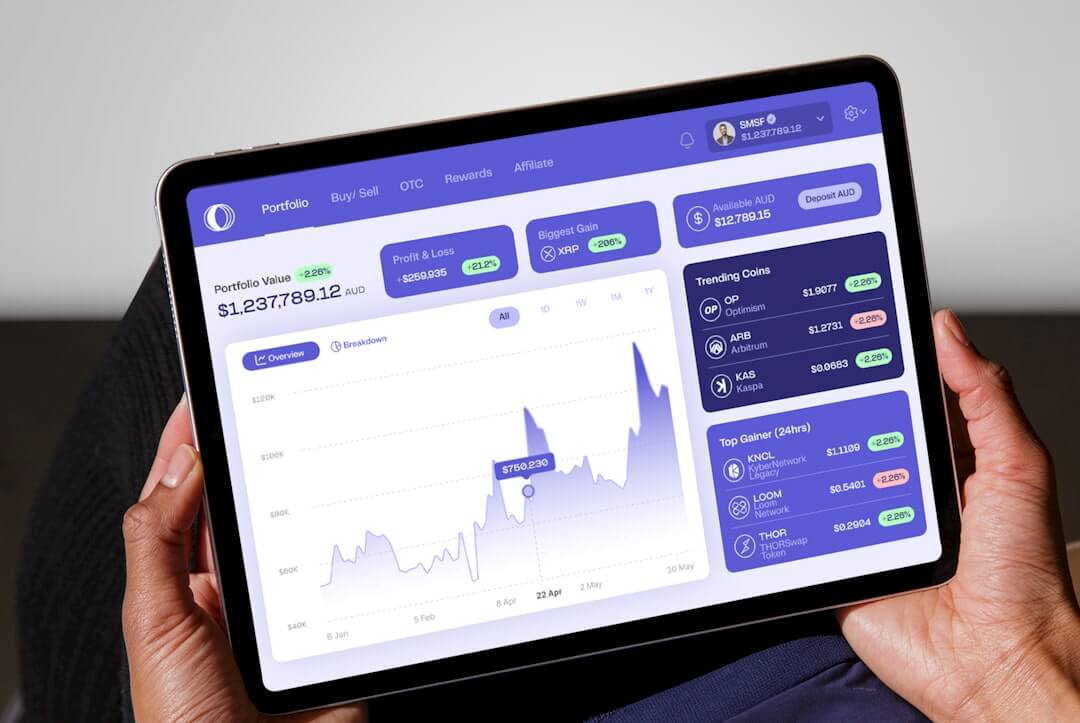
This is where most older website traffic guides fall short. They explain reporting basics, but not the strategic shifts affecting how traffic is generated and interpreted.
First, AI-driven forecasting is becoming more practical for smaller teams. Instead of only reporting last month’s sessions, teams can model likely traffic changes based on seasonality, channel mix, rankings, campaign timing, and conversion lag.
Second, the post-cookie environment is pushing marketers toward privacy-first analytics. That means more server-side tracking, modeled attribution, consent-aware reporting, and a greater reliance on first-party data.
Third, discovery is no longer only a click from a search engine result page. Voice search, AI assistants, social search, and video platforms increasingly shape whether users visit immediately, come back later, or search your brand after an answer elsewhere.
A practical way to think about these changes:
ShiftWhat it changesWhat to doAI traffic predictionMoves planning from reactive to proactiveForecast traffic by source and landing page, not sitewide onlyPrivacy-first analyticsReduces perfect attributionUse UTMs, first-party events, and clear conversion definitionsVoice and AI discoveryIncreases zero-click behaviourTrack branded search lift and assisted conversionsMobile-heavy browsingChanges engagement patternsAudit mobile landing pages separatelyVideo and multimedia referralsShortens attention windowsMatch landing pages tightly to video intent
Web3 traffic is still niche for most businesses, but it matters in communities where wallets, token-gated access, or decentralised publishing affect referral behaviour. For those brands, traffic analytics may need to include community link paths and wallet-connected visits alongside standard source data.
How do you measure website traffic properly step by step?

If your reporting feels noisy, simplify it. The goal is not to track everything, but to track the few things that explain whether traffic is helping the business.
Use this process:
- Define one primary goal for each important page, such as a sale, form submission, demo request, or email signup.
- Group traffic by source into clear buckets like organic, direct, referral, email, video, and paid.
- Tag campaigns with UTMs so visits do not fall into direct traffic by accident.
- Review landing page performance instead of looking only at sitewide numbers.
- Compare device behaviour because mobile and desktop often convert differently.
- Track assisted conversions so upper-funnel channels are not undervalued.
- Run small controlled tests before scaling a traffic source or campaign.
For campaign tagging and link-level visibility, tools like Bitly can help you keep URLs clean while preserving tracking structure.
If you want a deeper breakdown of attribution issues, especially with redirected visits, we covered that in our post on whether forwarded traffic counts in Google Analytics.
What are realistic website traffic benchmarks by channel and device?

There is no single good traffic benchmark for every site. A local service business, affiliate site, SaaS product, and media brand will all produce very different patterns.
Still, some benchmark rules are useful because they stop you from judging performance in the wrong context.
Use these comparisons as a starting point:
- Organic traffic: usually slower to build, but often stronger for long-term compounding
- Direct traffic: often higher-intent, but also inflated by attribution gaps
- Referral traffic: quality depends heavily on source relevance and page match
- Video traffic: can drive sharp spikes, but often needs tighter landing pages to convert
- Cold paid traffic: useful for testing demand and messaging, but should be judged by engagement and conversion, not vanity volume alone
The device split matters too. Many sites now see more visits from mobile, while desktop still wins on complex actions like detailed form fills, according to industry reporting from analytics providers and publisher studies.
That is why benchmarking should answer two questions at once:
- How much traffic arrived?
- What did that traffic do next?
If you need to test a landing page or offer before long-term channels kick in, SimpleTraffic can be a practical option because it gives you a way to send real human visitors quickly, apply targeting preferences, and compare results across one or multiple URLs with rotation.
What to do next
Start by opening your analytics and reviewing traffic by source, landing page, and device for the last 30 days. Then pick one page, one conversion goal, and one traffic source to improve first, because focused measurement beats broad guesswork every time.
Frequently Asked Questions
What is website traffic in simple terms?
Website traffic is the number of people who visit your website and the way they move through it. It includes visits from search, referrals, direct visits, social platforms, email, video, and paid sources.
What is the difference between users, sessions, and pageviews?
Users are individual visitors, sessions are visits, and pageviews are total pages loaded. One user can create multiple sessions, and one session can include several pageviews.
Why is website traffic important?
Website traffic matters because it shows whether people are discovering your site. On its own it means very little, so it should always be measured alongside engagement, conversions, and source quality.
What is a good amount of website traffic?
A good amount depends on your business model, audience size, and conversion rate. For most sites, the better question is whether the traffic is relevant and whether it leads to useful actions.
Which website traffic source is best?
There is no single best source for every goal. Organic search is often strong for long-term growth, while email, referrals, video, and paid traffic can all be useful depending on whether you want awareness, testing, leads, or sales.
How do I know if my website traffic is real?
Look at engagement, session patterns, geography, landing page behaviour, and conversions instead of sessions alone. Real human traffic usually shows more variation and clearer on-site behaviour than bot-heavy traffic.
How can I increase website traffic quickly?
You can increase website traffic quickly with email, partnerships, short-form video, referral placements, and small paid tests. If speed matters, use clear tracking and judge results by engagement and conversions, not raw traffic spikes.
Does paid traffic help with website testing?
Yes, paid traffic can be useful for testing offers, funnels, and landing pages if the visitors are real and the setup is measured properly. It is most useful as a controlled input for learning, not as a shortcut to guaranteed sales.
Is mobile traffic more important than desktop traffic?
For many sites, mobile now drives more visits, but desktop can still outperform on high-consideration conversions. The right way to judge them is by role in the journey, not by traffic share alone.