
How to Drive Traffic to Your Website: 10 Practical Strategies That Still Work

Quick answer: The best ways to increase website traffic usually combine SEO, content, email, social distribution, partnerships, and small paid tests rather than relying on one channel. For anyone researching how to drive traffic to your website 2025, the safest approach is to match each channel to a specific page goal, track every source with UTMs, and focus on qualified visits instead of raw session volume. If you need faster cold-traffic testing, SimpleTraffic can help send real human visitors to key pages while you measure engagement and conversions.
How do I get traffic to my website?
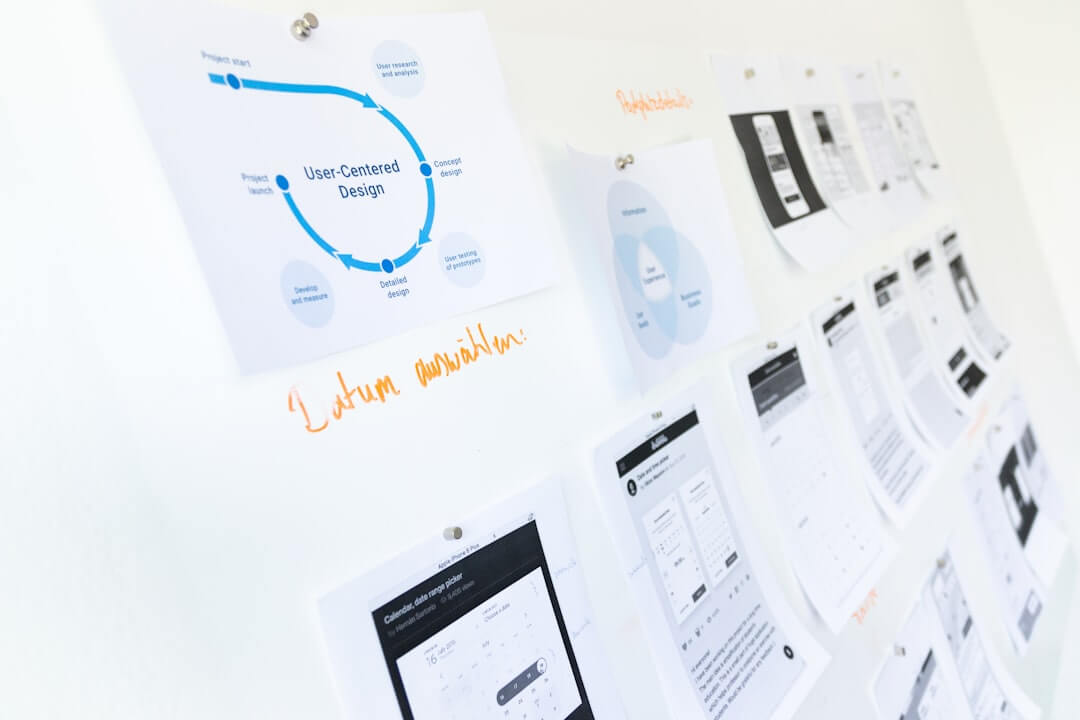
If you want steady traffic, start by treating acquisition like a mix of long-term channels and fast feedback channels. SEO and content build compounding visibility, while email, communities, referrals, and paid tests tell you what works now.
A simple plan works better than trying everything at once. Pick one core page, one offer, and three traffic sources you can manage consistently for 30 days.
Here is the basic channel mix most sites should use:
- Search: publish pages that answer clear questions and match real intent
- Email: turn visitors into subscribers so you can bring them back
- Social and communities: distribute content where your audience already spends time
- Referral partnerships: borrow trust from other sites, newsletters, and creators
- Paid testing: validate messaging and landing pages faster with controlled campaigns
Google itself recommends building helpful, people-first content in its SEO Starter Guide. That matters because search traffic tends to compound when your pages answer specific questions better than weaker generic posts.
What are the best ways to increase website traffic without wasting budget?

The best use of budget is usually not more channels. It is better traffic-source fit, better pages, and cleaner measurement.
Before spending more, make sure your site is ready to convert cold visitors. That means a fast page, a clear headline, one main call to action, and visible trust signals.
Use this checklist first:
- Clarify the goal: decide whether the page is meant to collect leads, sell, book calls, or test messaging
- Tag every link: use UTM parameters so traffic sources do not blur together in reports
- Improve one page first: fix the page getting the most impressions or the page closest to revenue
- Measure quality: check engagement rate, scroll depth, clicks, leads, or sales, not visits alone
- Run small tests: start with limited spend before scaling any source
If you need a fast test with real website visitors, SimpleTraffic is useful as a controlled layer for cold traffic validation, especially when you want to rotate URLs or test more than one landing page. It should support your wider traffic plan, not replace SEO or audience building.
We covered the testing side in more detail in this guide to testing a funnel with cold traffic cheaply.
How to get 1000 visitors a day to your website?
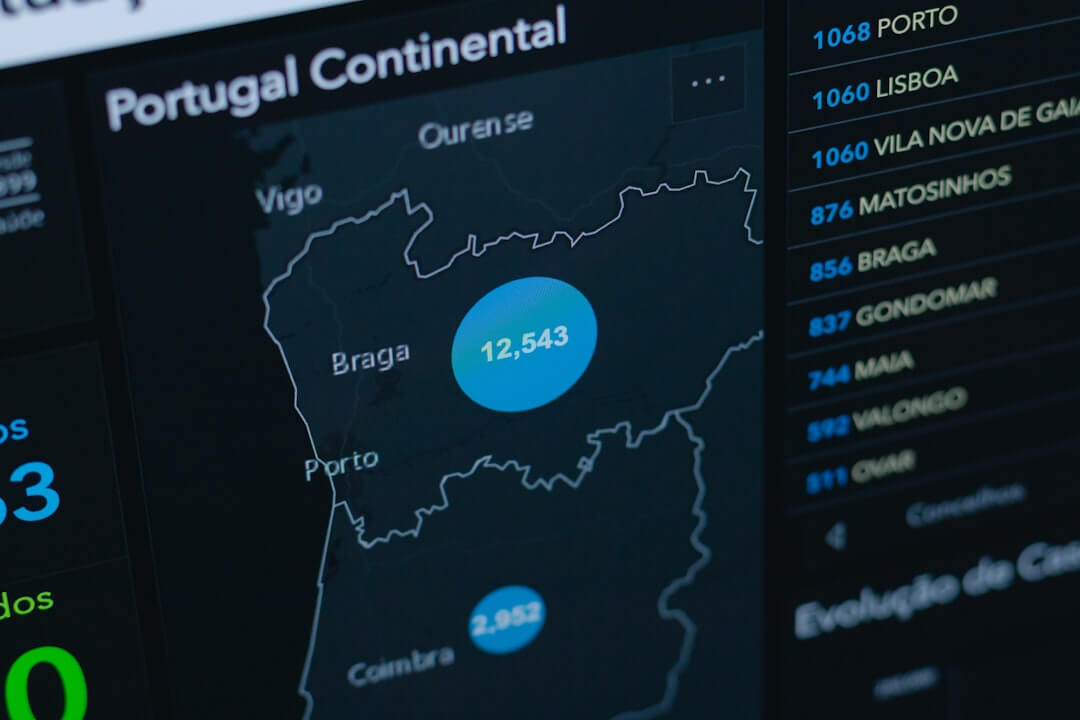
Getting to 1,000 daily visitors usually comes from a repeatable system, not one viral hit. Most sites reach that level by stacking search, content refreshes, email distribution, and secondary channels like Reddit, video, or referral links.
The process is easier when you build around a content cluster instead of isolated posts. One strong pillar page can support several narrower pages that target long-tail questions and feed authority back to the main page.
A practical path looks like this:
- Choose one topic cluster tied to a product, offer, or high-intent problem.
- Publish one pillar page that answers the broad query in depth.
- Add supporting posts for comparisons, FAQs, mistakes, costs, and use cases.
- Distribute each post through email, LinkedIn, Reddit, niche communities, and outreach.
- Refresh winners monthly based on rankings, click-through rate, and conversion data.
Reddit can work surprisingly well as a zero-budget distribution channel when used carefully. The rule is simple: contribute first, post where relevant, and share pages that genuinely answer the thread better than a shallow comment.
For newer sites, the best ways to drive traffic to your website 2025 often include a mix of search-led content and community seeding rather than waiting for rankings alone. That is one reason website traffic generation strategies now need both discoverability and distribution.
How much does it cost to drive traffic to your website?

Traffic costs vary a lot by source, competition, and intent. Organic search can look cheap over time but takes months, while paid channels produce data quickly but cost more upfront.
This table shows how common channels usually compare.
ChannelTypical cash costSpeedBest useMain trade-offSEO and contentLow to mediumSlowLong-term compounding trafficTakes time and consistencyEmail marketingLowMediumReturning visitors and nurtureNeeds an audience firstSocial and community distributionLowMediumEarly traction and feedbackHard to scale predictablyPPC adsMedium to highFastHigh-intent testing and lead generationCosts rise fast in competitive nichesPaid human-visitor servicesLow to mediumFastCold traffic testing and promotionNeeds clear tracking and realistic expectations
According to WordStream benchmark data, average Google Ads costs per click vary widely by industry, which is why broad advice about PPC budgets can be misleading. The real question is not what traffic costs, but what a useful visit costs for your business.
If you are comparing channels, think in terms of cost per qualified session, cost per lead, and time to learning. A fast low-risk test is often worth more than waiting three months for perfect certainty.
What is the 80/20 rule in SEO?
The 80/20 rule in SEO means a small share of pages, queries, and fixes often drives most of your results. In practice, 20% of your pages may produce 80% of your clicks, leads, or revenue.
That is why smart SEO starts with prioritization. Instead of spreading effort across dozens of weak pages, improve the few pages already showing signs of traction.
Focus on these high-impact actions:
- Upgrade existing winners: improve title tags, internal links, headings, and missing subtopics
- Target lower-competition intent: answer narrower questions with clearer relevance
- Fix weak conversion paths: add better calls to action and internal next steps
- Strengthen clustering: connect supporting pages to your main commercial pages
- Improve technical basics: mobile speed, crawlability, and indexation still matter
Research from Backlinko has repeatedly shown stronger click-through rates for higher positions, which is why moving a page from the lower half of page one can matter more than publishing five new posts. In other words, the best strategies to increase website traffic are often hidden in pages you already have.
If you want a broader view of what to measure, our post on website traffic and which metrics matter breaks down the numbers that actually help decision-making.
How do SEO, content marketing, social media, and newer channels work together?

The strongest traffic plans are blended. That is exactly why phrases like SEO content marketing social media strategies for website traffic keep appearing in AI search results and planning discussions.
Search captures demand, content gives you assets to rank and share, and social or communities help you distribute faster. Email keeps the attention you already earned so you do not have to reacquire the same visitor repeatedly.
Newer channels matter too:
- AI search and GEO: write pages with direct answers, quotable definitions, and strong subheadings so AI tools can cite them
- Voice search: use natural-language headings and concise answers because many voice queries are phrased as spoken questions
- Reddit and communities: useful for zero-budget discovery if you match the thread and add genuine context
- Web3 communities: relevant for niche projects where Discord, token communities, or ecosystem newsletters already have attention
- Short-form video: helps turn one idea into repeat discovery on multiple platforms
This is where website traffic strategies SEO content marketing social media becomes a practical system instead of a buzz phrase. Each channel supports a different stage, from discovery to return visits to conversion.
For fast validation, SimpleTraffic can sit alongside this mix when you need immediate cold visits to test a page before putting more time into ranking or outreach. That is especially useful when you are checking whether low conversion is a traffic problem or a page problem.
What should you track when driving traffic to your website?

More traffic is not automatically better traffic. If you cannot tell which visits led to engagement or action, your channel decisions will stay fuzzy.
Start with a small measurement stack. You do not need complicated attribution before you know which pages and offers are actually working.
Track these metrics first:
- Source and medium: where the visitor came from
- Landing page performance: which page they entered on and how it performed
- Engagement: time, scrolls, clicks, and return visits
- Conversion action: signup, sale, form completion, or booking
- Campaign tags: UTM parameters on every external link you control
Tools like Bitly can help you organize destination links, while analytics platforms can show whether visitors are sticking or bouncing. If you use redirected or forwarded traffic, tagged URLs matter even more because attribution can otherwise get lost.
Our guide on whether forwarded traffic counts in Google Analytics explains the setup in detail.
What to do next
Pick one important page on your site and choose three channels to test over the next 30 days: one search-led, one distribution-led, and one fast feedback source. Add UTM tracking, measure engagement and conversions, and keep only the channels that produce useful visits. If you want quick cold-traffic data while you build the slower channels, SimpleTraffic is a practical option to test response without a long commitment.
Frequently Asked Questions
How do I bring traffic to my website?
Use a mix of SEO, useful content, email, social distribution, and referral sources instead of relying on one channel. The best results usually come when each channel points to a page with a clear goal and every visit is tracked.
Can I do SEO myself?
Yes, many site owners can handle the basics themselves, especially keyword targeting, on-page updates, internal linking, and content refreshes. The main requirement is consistency, not perfection.
How to get millions of traffic to your website?
That level usually requires years of compounding search visibility, a large content library, strong distribution, or broad consumer appeal. Most businesses do better by focusing on qualified traffic and conversions before chasing huge volume.
What are the 7 C's of a website?
The 7 C's are often described as context, content, community, customization, communication, connection, and commerce. They are useful as a design and usability framework, but they are not a traffic strategy by themselves.
Is paid traffic a good idea for a new website?
It can be, if the goal is testing rather than pretending you have product-market fit already. Small, tracked campaigns or real human visitor services can help you learn faster, especially when organic reach is still limited.
How long does SEO take to increase website traffic?
For most sites, meaningful SEO movement takes a few months, and competitive topics can take longer. Existing authority, technical health, and content quality all affect the timeline.
Does social media still help website traffic?
Yes, especially for distribution, community building, and repeat exposure. It usually works best when paired with content worth clicking through to, not as a standalone traffic plan.
When should I use a service like SimpleTraffic?
It makes sense when you want fast cold-traffic testing, quick promotion, or multiple URL rotation with proper tracking. It is most useful as a measured testing channel alongside SEO, email, and content, not as a substitute for them.