
Website Traffic Trends in 2026: What’s Changing and How to Plan Smarter

Quick answer: Website traffic is the flow of visitors to your site from sources like search, direct, referral, email, social, video, and paid campaigns. In 2026, understanding website traffic means looking beyond volume to source quality, conversions, and privacy-safe attribution, especially as website traffic statistics trends 2026 and how to check website traffic continue to shift. Businesses that plan well track where visitors come from, how they behave, and which channels actually produce results.
What is website traffic?

Website traffic is the number of visits and visitors a website receives over a given period. It usually includes metrics like users, sessions, pageviews, engagement, and conversions.
If someone asks for a website traffic analytics definition, the practical answer is simple: it is the measurement of who visits your site, where they came from, and what they did next. That is what turns raw traffic numbers into something useful.
A basic website traffic meaning analytics metrics overview usually includes:
- Users: the number of individual visitors
- Sessions: the number of visits, including repeat visits
- Pageviews: the total number of pages viewed
- Engagement rate: how actively visitors interact with the site
- Conversions: the actions that matter to your goal, such as signups or sales
Traffic by itself is not proof of success. A smaller number of relevant visitors can be more valuable than a large number of untargeted clicks.
Can I check the traffic of a website?

Yes, but there is a difference between checking your own website traffic and estimating someone else’s. For your own site, first-party analytics are the most accurate source.
For another website, most tools provide modeled estimates rather than exact numbers. That is why best tools to check website traffic 2026 lists often mix direct analytics platforms with third-party estimators.
Here is a simple comparison of common options.
MethodBest forWhat you getMain limitationGoogle Analytics or GA4Your own websiteActual user, session, event, and conversion dataOnly works on sites you controlGoogle Search ConsoleOrganic search visibilityQueries, clicks, impressions, pagesSearch only, not all trafficThird-party traffic toolsCompetitor researchEstimated traffic, channels, trendsEstimates can be directionally useful but not exactServer logsTechnical validationRequest-level recordsHarder for non-technical teams to interpret
When people search how to check website traffic, they usually need one of two answers. Either they want to measure their own site properly, or they want a rough benchmark for a competitor.
If you are checking your own campaigns, use tagged links and clear attribution rules. We covered the tracking side in more detail in our guide to what actually gets tracked in redirected traffic.
Is website traffic declining?
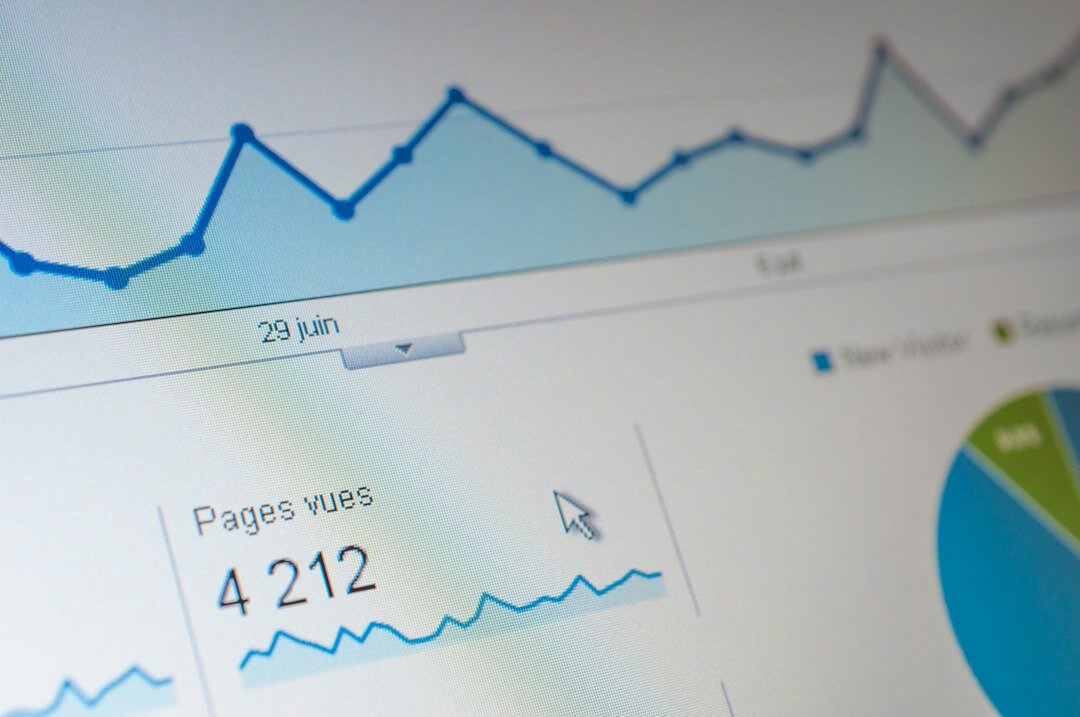
Sometimes yes, but not in a single universal way. What is declining for many publishers is predictable search traffic from old content formats, while other channels like AI referrals, video discovery, and community traffic are growing.
According to Statista, global internet usage continues to grow, which means the audience is still there. The bigger shift is where attention starts and how often visits happen without a traditional search click.
Several forces are changing the pattern:
- Zero-click behavior: people get answers directly in search results or AI summaries
- Privacy changes: cookie loss makes attribution less complete
- Device shifts: mobile traffic often behaves differently from desktop traffic
- Content format changes: video and multimedia now drive discovery for many brands
- AI referral growth: more users arrive through AI answer engines instead of only search engines
This is why website traffic statistics and trends 2026 need context. A flat or lower traffic graph does not always mean weaker business performance if conversion rate, lead quality, or assisted conversions improved.
How to get website traffic?

The short answer is to combine long-term channels with faster testing channels. Relying on one source is riskier now than it was a few years ago.
If you are asking how to increase website traffic 2026, focus on channels that match your page type, sales cycle, and measurement setup. A local service business, SaaS tool, affiliate site, and media blog should not use the same traffic mix.
A practical traffic stack often includes:
- Search and AI discovery: publish pages that directly answer clear questions
- Email: send visitors back to useful content, offers, or product pages
- Referral partnerships: get mentions from communities, directories, and partner sites
- Video and multimedia: use YouTube, short-form video, and clips to create discovery paths
- Measured paid traffic: test pages quickly when you need cold-traffic data
For fast promotion or landing page testing, services like SimpleTraffic can make sense when the goal is measured exposure rather than SEO. It is most useful when you set UTM tags, define one target page, and judge results by engagement and conversions instead of raw volume alone.
If you want a broader playbook for growth channels, see our guide on how to increase website traffic in 2026.
What is good traffic for a website?
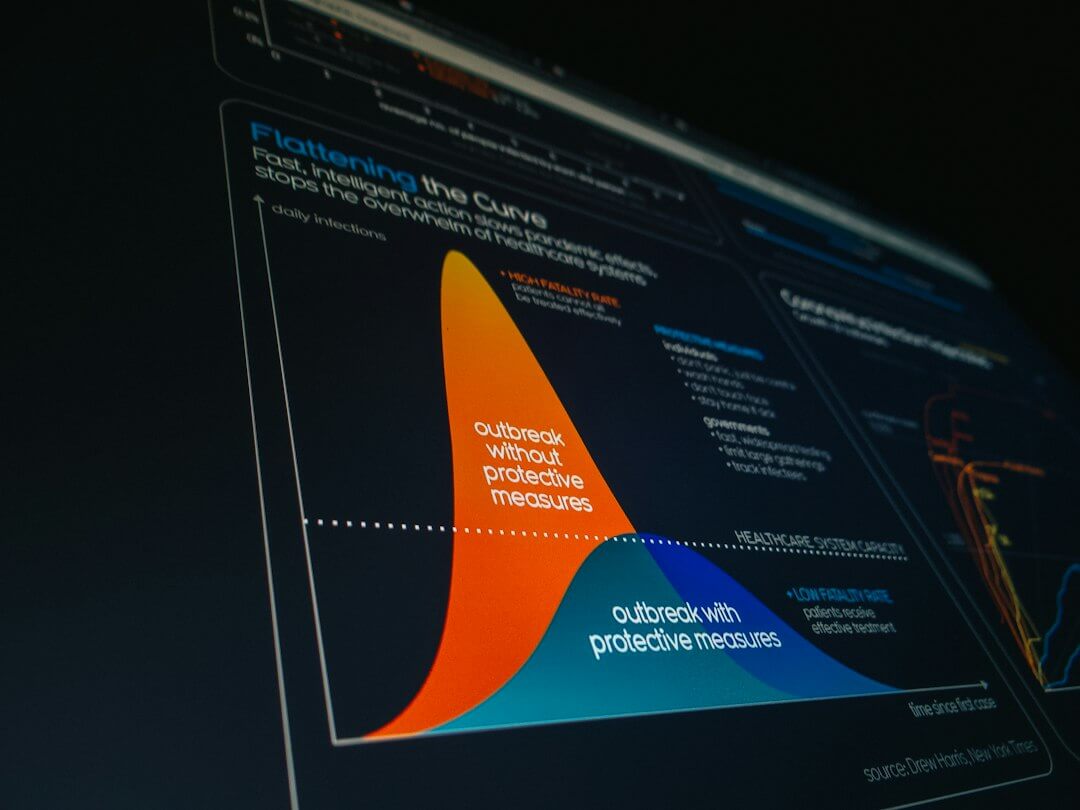
Good traffic is traffic that helps your site achieve its purpose. That could mean purchases, leads, signups, ad revenue, booked calls, or deeper engagement.
There is no one traffic number that is good for every site. Industry, business model, geography, and conversion intent all change the benchmark.
A better way to judge traffic quality is to ask:
- Is it relevant? Do visitors match your audience?
- Is it engaged? Do they stay, scroll, click, or view multiple pages?
- Is it trackable? Can you identify source and campaign clearly?
- Does it convert? Are people taking the next step?
- Is it sustainable? Can you repeat or improve the source over time?
Research from Google’s documentation consistently emphasizes measuring users, engagement, and conversions together rather than treating sessions as the only KPI. That is especially important in a privacy-first setup where attribution may be partial.
In practice, 500 qualified visits can be better than 5,000 low-intent ones. That is one reason website traffic analytics definition metrics unique visitors pageviews sessions should always be paired with business outcomes.
What trends will shape website traffic in 2026?

The biggest shift is that traffic planning is becoming less channel-specific and more behavior-specific. Marketers now need to understand how people discover content across search, AI tools, video, voice, and private sharing.
That is where website traffic statistics trends 2026 become useful for strategy rather than just reporting. You are not only measuring visits anymore. You are planning around fragmented discovery.
Here are the trends worth watching closely.
- Privacy-first analytics are becoming standard as cookies become less reliable and consent rules tighten.
- AI-driven traffic prediction is improving forecast accuracy for content, seasonality, and budget planning.
- Mobile vs desktop divergence is growing, with mobile often driving more volume and desktop often driving stronger conversion intent.
- Voice and conversational search are changing query length and content structure.
- Video and multimedia traffic sources are playing a larger role in discovery, especially for product education and top-of-funnel reach.
- Web3 and alternative identity systems remain niche, but some publishers are testing new models for referral, ownership, and audience loyalty.
Not every business needs to act on all six. Most should start with privacy-safe measurement, mobile analysis, and content formats that fit how their audience now discovers information.
What to do next
Start by auditing your current traffic mix, device split, and top converting sources over the last 90 days. Then pick one improvement area, such as better attribution, stronger video distribution, or cleaner cold-traffic testing, and measure it carefully before you scale.
Frequently Asked Questions
What is traffic for a website?
Website traffic is the flow of visitors to a site from channels like search, direct, referral, email, social, video, and paid campaigns. It is usually measured through users, sessions, pageviews, engagement, and conversions.
Can I see the traffic of a website?
Yes, but accuracy depends on whether you own the site. If it is your site, analytics tools provide direct data, while third-party tools only estimate traffic for other sites.
How do I see website traffic?
The simplest way is to install an analytics platform on your website and review acquisition, engagement, and conversion reports. For campaigns, add UTM parameters so you can tell which links and sources are driving visits.
How to get 1000 website visitors per day?
You usually reach that level by combining several channels instead of depending on one. Search, email, referrals, video, and measured paid traffic can all contribute if the site has pages worth visiting and a clear promotion plan.
Can you make money from website traffic?
Yes, but only if the traffic matches a business model such as ecommerce, lead generation, subscriptions, or ad-supported publishing. Traffic without relevance or conversion intent rarely produces meaningful revenue.
What is good traffic for a website?
Good traffic is traffic that helps the site achieve its goal, not just traffic that increases visit counts. High-quality traffic is relevant, engaged, measurable, and more likely to convert.
Is paid website traffic worth it?
It can be worth it for promotion, offer testing, and landing page validation when the traffic is real and tracked properly. Services like SimpleTraffic are better suited to measurable cold-traffic experiments than to long-term SEO goals.
What is the best way to measure website traffic in 2026?
The best approach is to track source, engagement, conversions, and assisted outcomes together. In 2026, that also means using privacy-aware attribution and accepting that not every visit will be perfectly traceable.