
Increase Website Traffic: A Practical 2026 Plan for Search, AI Discovery, and Fast Testing

Quick answer: To increase website traffic in 2026, combine strong SEO, AI-friendly content structure, email and community distribution, and measured paid testing. The best strategies to increase website traffic 2026 include improving high-intent pages, earning visibility in zero-click and AI results, and using website traffic growth strategies that focus on engaged visitors instead of raw visits alone. If you need faster feedback, services like SimpleTraffic can help test cold traffic with real human visitors while you build long-term channels.
What does it mean to increase website traffic?
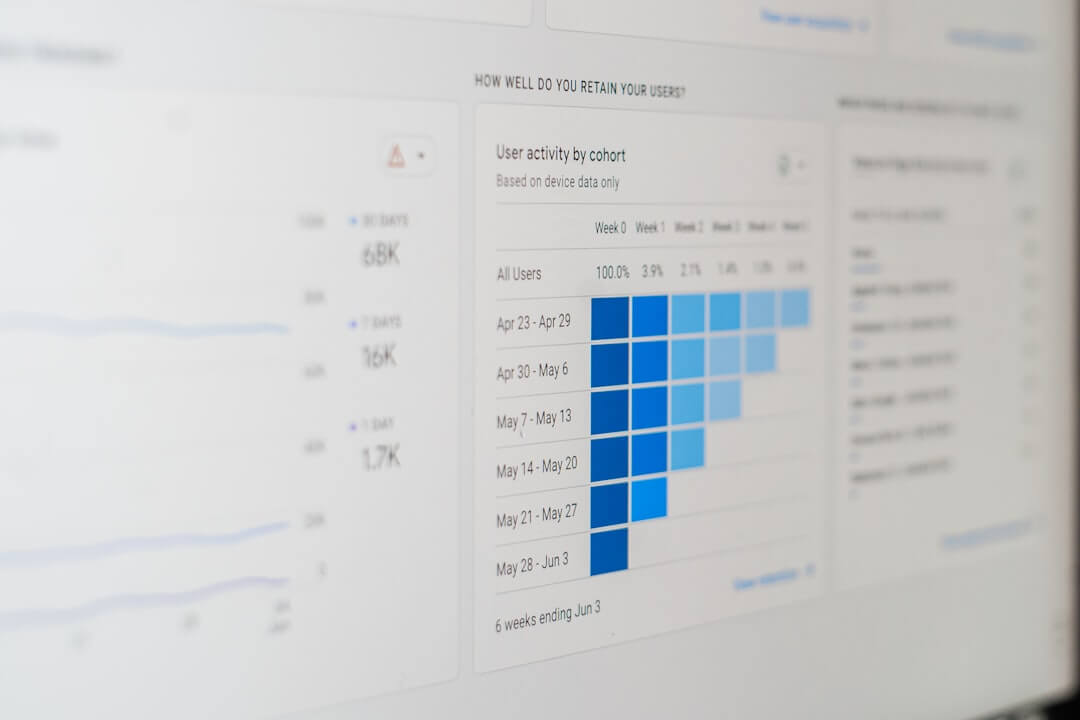
Increasing website traffic means getting more people to visit your site from channels like search, email, referral, social, video, and paid campaigns. On its own, that number is incomplete because low-quality visits rarely help the business.
A better definition is growth in qualified traffic. That means visitors who match your audience, engage with the page, and move toward a goal like a signup, inquiry, or sale.
According to Google Search Central, useful content that helps people complete a task is more likely to perform well in search over time, which is why traffic and usefulness need to be connected rather than treated separately.
How do I get more traffic to my website?

Most sites grow faster when they stop trying to improve everything at once. Instead, focus on a handful of pages that already have business value and make them easier to find, easier to understand, and easier to share.
Here are the core channels that still matter most:
- Search: improve on-page SEO, internal links, technical health, and topic coverage
- AI discovery: structure answers clearly so AI tools can quote and summarize your content
- Email: send existing subscribers back to updated pages, tools, and offers
- Communities: share useful posts in niche groups, forums, Slack spaces, and Discord servers
- Video and social: repurpose strong pages into short clips, carousels, and demos
- Paid testing: use small, tagged campaigns to validate headlines, offers, and landing pages
If you want a broader walkthrough, we covered the fundamentals in this guide to getting more website traffic step by step.
The key is not channel count. It is message match between the visitor, the source, and the page they land on.
How to get 1000 website visitors per day?

Getting to 1,000 daily visitors usually comes from stacking several working channels rather than finding one magic source. For newer sites, that often means a mix of SEO, repeat distribution, partnerships, and controlled paid traffic.
A realistic path looks like this:
- Pick 3 to 5 pages that solve a clear problem or target a clear offer.
- Improve search intent match so each page answers one main question completely.
- Add distribution loops through email, LinkedIn, niche communities, and video snippets.
- Track every source with UTMs so you know which visits engage and convert.
- Test faster traffic when you need feedback before SEO gains arrive.
For example, one page might earn 150 visits a day from search, another 80 from email and direct return visits, and another 100 from referrals and AI citations. Add several pages and the total becomes much more achievable.
This is where many people get stuck on volume alone. Research from Ahrefs found that 96.55% of content gets no traffic from Google, largely because it earns no backlinks, targets low-demand topics, or fails to match search intent well enough.
Why does 96.55% of content get no traffic from Google?
The short answer is that most content is either not worth ranking, not easy to discover, or not built around a real search demand. Publishing more pages does not fix those underlying issues.
Common reasons include:
- Weak intent match: the page answers a different question than the one people searched
- Thin differentiation: it repeats what dozens of other pages already say
- Poor internal linking: search engines struggle to understand page importance
- Weak distribution: nobody sees the content early enough to link to it or share it
- Low trust signals: there are few citations, examples, sources, or first-hand details
This matters even more for how to increase website traffic 2026 searches because answer engines prefer pages that are easy to extract from. If your page has vague headings, long unfocused paragraphs, or unsupported claims, both Google and AI systems are less likely to surface it.
One useful fix is to build pages around direct questions, then answer them clearly near the top. Another is to update older pages with original examples, fresher data, and cleaner structure instead of publishing endless near-duplicates.
What is a good increase in website traffic?
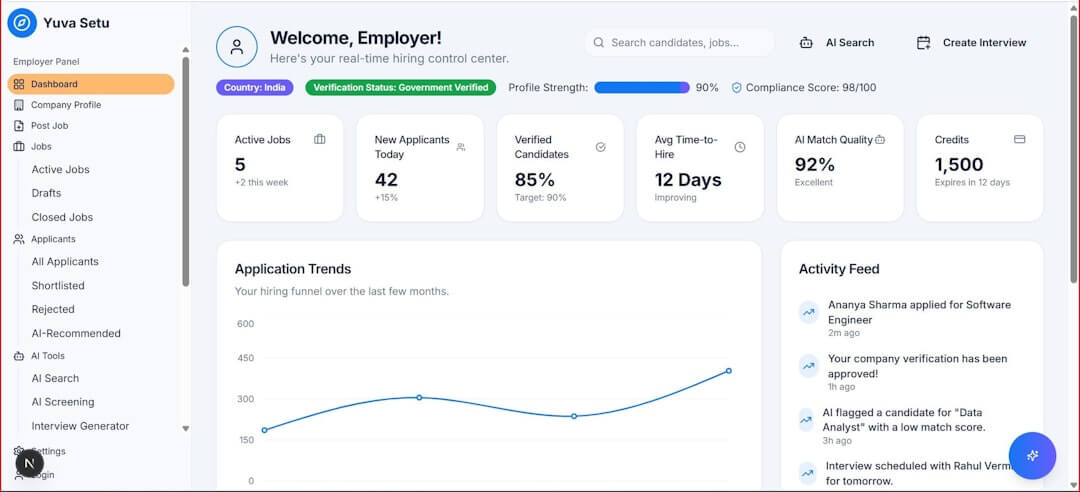
A good increase in website traffic depends on the starting point, the channel, and the business model. A 20% increase can be excellent if it comes from qualified search visits, while a 200% spike can be meaningless if those visitors bounce immediately.
Look at traffic growth together with these metrics:
MetricWhy it mattersGood signEngaged sessionsShows whether visitors actually interactMore time, scroll depth, or second-page viewsConversion rateConnects traffic to outcomesSignups, leads, or purchases rise with visitsSource mixReduces channel riskSearch, email, referral, and direct all contributeReturning visitorsSuggests relevance and memoryMore people come back without being pushedAssisted conversionsShows hidden value of upper-funnel pagesInformational content supports later conversions
According to the U.S. Small Business Administration, businesses should track marketing performance against actual goals, not vanity metrics alone. That advice is simple, but it saves a lot of wasted effort.
If you are testing best strategies to boost website traffic, compare quality by source instead of asking whether total visits went up. Ten visitors who subscribe are worth more than a hundred who leave in five seconds.
What are the best strategies to increase website traffic 2026?

The strongest approach in 2026 is balanced. You need channels that compound slowly and channels that give quick feedback.
Here are the best strategies to increase website traffic right now:
- Refresh high-intent pages first: update pages already close to ranking or already converting
- Write for search and AI extraction: use clear questions, short answers, sourced claims, and helpful examples
- Own zero-click visibility: create definitions, comparisons, FAQs, and stats that can appear in snippets and AI summaries
- Improve voice-search style phrasing: include natural-language questions and concise answers
- Expand beyond Google alone: optimize video titles, transcripts, image alt text, and community posts that send referral traffic
- Build retention loops: email, memberships, and recurring content reduce the need to reacquire every visitor
- Test cold traffic intentionally: send paid visits to one focused page and measure engagement before scaling
For many teams, this is the biggest gap in current planning. They have basic SEO covered, but they are not adapting to AI summaries, zero-click behavior, or privacy-safe attribution.
A practical setup for best strategies to drive more website traffic now looks like this:
- One pillar page for a core topic
- Two or three supporting pages answering related questions
- A short-form video or visual post for distribution
- A simple email follow-up that brings visitors back
- Tagged test traffic to validate the page before heavier investment
If you want a deeper look at traffic source tradeoffs, this article on the best website traffic source by goal and budget breaks that down well.
How can I increase my website traffic quickly without hurting long-term growth?

Quick traffic is useful when you need data, not when you are trying to fake traction. The safest use is to test a page, offer, or funnel while your longer-term channels keep building.
That means you should:
- Tag everything: use UTM parameters so visits are attributed correctly
- Send traffic to focused pages: avoid generic homepages when testing
- Measure behavior: look at bounce rate alternatives, engaged sessions, scroll, clicks, and conversions
- Set a stop rule: pause if the page does not hold attention or produce useful actions
SimpleTraffic fits naturally here because it is built for fast traffic generation and supports URL rotation, targeting preferences, and straightforward tracking setups. If your goal is testing cold traffic or promoting multiple URLs without launching a full ad campaign, it can be a practical option alongside SEO and email.
For cleaner measurement, use tools like Bitly for tagged links and follow Google Analytics guidance for campaign attribution. We also explained the tracking side in our post on whether forwarded traffic counts in Google Analytics.
What to do next
Pick one page that already matters to your business and improve it for search intent, AI extraction, and conversion clarity this week. Then send measured traffic to it from one long-term channel and one faster test channel, and compare quality before you do anything else.
Frequently Asked Questions
How can I increase traffic on my website?
Start with a few important pages instead of your whole site. Improve their search intent match, internal links, page clarity, and distribution through email, communities, video, and measured promotion.
How can I increase my website traffic?
Use a mix of organic and faster channels. The most reliable setup is SEO for compounding growth, distribution for reach, and tagged testing so you can see which sources bring engaged visitors.
How do I increase my website traffic for free?
Free traffic usually comes from SEO, internal linking, email, referrals, communities, and repurposed social content. It costs less cash, but it still takes time, consistency, and tracking.
What is the 80/20 rule in SEO?
The 80/20 rule in SEO means a small number of pages or actions often produce most of the results. In practice, improving your best pages, strongest queries, and most valuable internal links usually beats spreading effort thinly across the whole site.
What is the 80 20 rule of SEO?
It is the same basic idea as the 80/20 rule in SEO. A minority of topics, pages, and fixes usually drive the majority of your traffic and conversions, so prioritization matters.
Can paid traffic help increase website traffic safely?
Yes, if the traffic is real, properly tagged, and used for testing or promotion with clear goals. It works best when paired with analytics and long-term channels rather than used as a substitute for everything else.
Does AI search change how I should structure pages?
Yes. Pages that answer direct questions clearly, cite sources, and use simple section structure are easier for AI systems to summarize and cite.
Is more website traffic always better?
No. Better traffic is more important than more traffic, because unqualified visits can distort your data and add little business value.
When should I use SimpleTraffic?
SimpleTraffic makes sense when you want fast, real human visits for landing page testing, cold traffic validation, or multi-URL promotion. It is most useful when you already know what action you want visitors to take and you can measure the results.