
Best Website Traffic Source: What Actually Works by Goal, Budget, and Conversion Intent
Quick answer: The best website traffic source for most businesses is still organic search, but the strongest results usually come from combining best website traffic sources 2025 thinking with email, referrals, AI discovery, and small paid tests. The most effective website traffic sources depend on your goal: search is strongest for long-term intent, email is strongest for retention, and paid channels or services like SimpleTraffic can help you test offers and pages quickly with real human visitors.
What is the best traffic source?
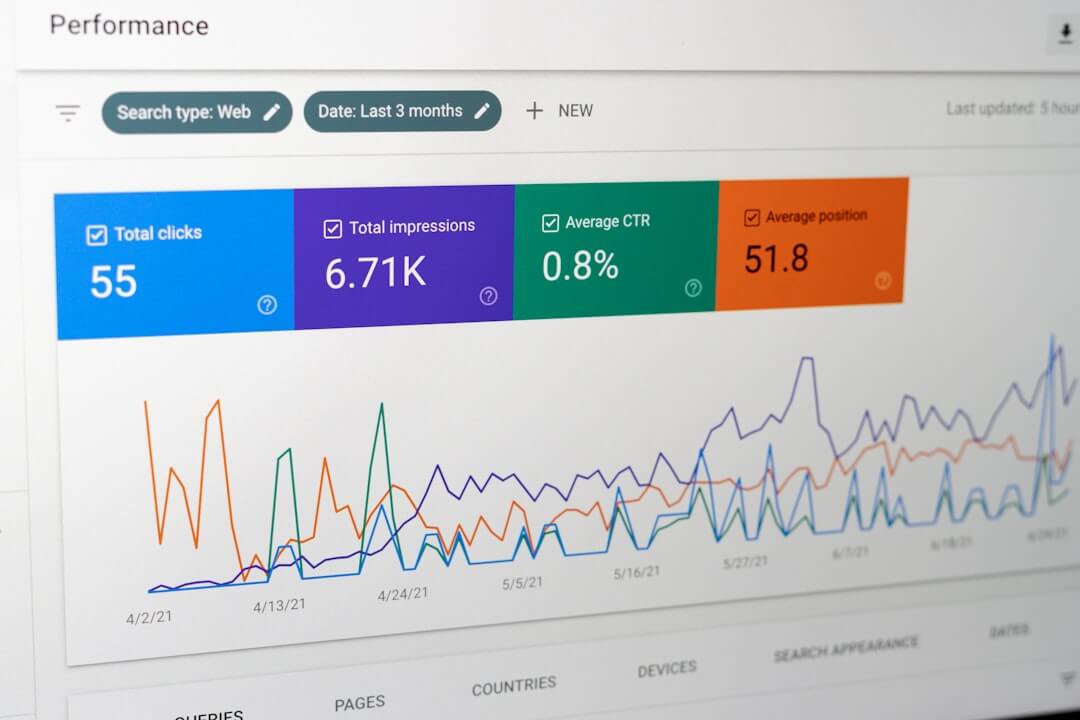
There is no single winner for every site, because traffic quality changes with your offer, audience, and timeline. For most businesses, organic search remains the best long-term source because it captures existing intent and compounds over time.
That said, the most effective website traffic sources usually work as a mix rather than a single channel. Search brings demand, email brings people back, referrals build trust, and paid or redirected traffic helps you test faster.
A simple rule helps here.
- Best for long-term growth: organic search and evergreen referral content
- Best for repeat visits: email newsletters and lifecycle campaigns
- Best for fast testing: paid search, paid social, and measured human traffic services
- Best for awareness: social media, video, podcasts, and communities
- Best for multi-page promotion: channels that support URL rotation and UTM tracking
According to BrightEdge research, organic search still drives a large share of trackable website traffic and revenue for many businesses, especially for high-intent pages. That is why most lists of top website traffic sources still place search near the top, even as AI discovery grows.
What are the main sources of website traffic?
Most websites get traffic from six core categories. The labels may vary between analytics tools, but the underlying sources stay fairly consistent.
Here is the main breakdown readers should know.
Traffic sourceWhat it meansBest use caseTypical strengthMain weaknessOrganic searchUnpaid visits from search enginesLong-term intent captureHigh intent, compoundingSlower to buildDirectPeople typing your URL or using bookmarksBrand familiarityStrong brand signalOften inflated by attribution gapsReferralClicks from other websitesTrust and partner reachGood context and credibilityCan be inconsistentSocialVisits from social platformsAwareness and distributionFast reachLower intent on averageEmailClicks from campaigns and newslettersRetention and remarketingStrong conversion efficiencyRequires a listPaidTraffic from ads or paid placementsFast acquisition and testingSpeed and controlCosts rise quicklyAI and LLM referralsVisits from AI tools and answer enginesDiscovery and citation-driven trafficGrowing visibilityHarder to track cleanly
In 2026, AI-driven referrals deserve their own category because users increasingly discover pages through tools like ChatGPT, Claude, Gemini, and Perplexity. This is one of the biggest gaps in older articles about top website traffic sources marketing, because many still treat all non-search discovery as either direct or referral traffic.
If you want a broader primer on traffic growth, we covered complementary tactics in our guide to driving traffic to your website in 2026.
What is the best free traffic source?
For most sites, the best free traffic source is organic search. It takes time and effort, but the marginal cost per visit drops as your content library and authority improve.
Email is a close second, especially if you already have subscribers. Unlike search, email lets you bring people back on demand, which often makes it one of the highest converting website traffic sources for offers, launches, and content promotion.
Free does not mean instant, though. Each channel has a different tradeoff.
- Organic search: best for intent and scale over time
- Email: best for owned attention and repeat traffic
- Referral partnerships: best for trust and niche relevance
- Communities like Discord or Slack: best for targeted discussion if you contribute consistently
- Podcast guesting: best for authority and branded searches in niche markets
Emerging channels matter more than many marketers think. A niche podcast mention or a respected Slack community can send fewer visitors than search, but the visitors are often more qualified because the recommendation comes with context.
Research from Pew and ongoing publisher reporting both show audiences continue to spread attention across search, social, messaging, and creator-driven environments, which is why relying on one free source is risky. The best sources of website traffic 2025 and 2026 are increasingly blended, not isolated.
What is the best way to get traffic to my website?

The best way to get traffic to your website is to match the source to the job. Most traffic problems happen when people use a channel built for awareness and expect conversion, or use a slow channel when they need feedback this week.
A practical framework is to split channels into three jobs: build, capture, and test. That keeps your budget and expectations grounded.
- Build with SEO, referral content, YouTube, and useful community participation.
- Capture with email, branded search, and pages that match a clear user intent.
- Test with paid search, paid social, or real human traffic services that can send cold visitors to a landing page quickly.
This is where attribution matters. In a multi-touch journey, a user might first hear you on a podcast, later see your article in Google, then return from email and finally convert.
If you only credit the last click, you will undervalue awareness and retention channels. Google Analytics and privacy-first tools can both help here, but you need disciplined UTM naming and channel grouping.
For teams that need quick, measurable cold-traffic testing without building a full ad campaign, SimpleTraffic's learning hub article on real visitors fast explains where paid human visitor services fit and where they do not.
How should you compare website traffic sources by ROI?

The best source is not the one with the cheapest clicks. It is the source that brings visitors who actually do something valuable after landing.
Start by comparing sources on four metrics, not one. This is the missing piece in many roundups of most effective website traffic sources statistics.
- Cost per qualified visit: how much you pay for a visitor who meets your basic quality threshold
- Conversion rate: the percentage of visitors who complete your target action
- Assisted conversions: whether a source influences conversions even when it is not the final click
- Time to feedback: how quickly the source gives you usable learning
This simple table shows how many teams evaluate channels in practice.
SourceSpeedCost controlIntent qualityBest for ROI when…Organic searchSlowHigh after setupHighYou have strong content and patienceEmailFastVery highHighYou already have a listPaid searchFastMediumHighYou know your keywords and marginsPaid socialFastMediumMediumYou need audience testing or creative testingReferral partnershipsMediumHighMedium to highYou have niche relationshipsAI referralsMediumHighMixed but growingYour content is structured for direct answersHuman traffic servicesFastHighCold but measurableYou need quick landing page or funnel testing
Different industries skew differently. A local service business may get its best ROI from organic search and reviews, while a newsletter business may see email dominate, and an affiliate publisher may rely more on search plus controlled cold-traffic testing.
How do AI and privacy changes affect the best website traffic sources 2025 and 2026?

This is where the old advice starts to break. The best website traffic sources 2026 conversation is not just about channels anymore. It is also about what you can still measure cleanly.
AI platforms now influence discovery before a user ever clicks a blue link. Some visits show up as referral traffic, some as direct, and some never reach your site because the answer was fully consumed in the AI interface.
At the same time, privacy changes reduce the reliability of third-party cookies and some cross-session tracking. That makes first-party data, UTMs, server-side tagging, and simpler attribution models more useful than chasing perfect visibility.
A few practical adjustments help.
- Track LLM referrals separately when your analytics tool allows custom channel grouping
- Use clear UTM conventions for newsletters, partnerships, and paid tests
- Measure engaged sessions and assisted conversions instead of sessions alone
- Create answer-friendly pages with direct definitions, comparison tables, and FAQs
- Expect more dark traffic in direct buckets as referral data gets lost
If you are comparing analytics approaches, our article on organic website traffic and AI-driven measurement goes deeper on attribution and source quality.
For basic setup, tools like Google Analytics and Bitly are still useful for source tracking, especially when you are testing multiple landing pages or rotated URLs.
Is there a website that tracks website traffic?

Yes, several tools track website traffic, but they answer different questions. Some focus on your own site analytics, while others estimate competitor traffic patterns.
For your own site, first-party analytics tools are the starting point. For market intelligence, estimation tools are separate and less precise than your own tracking.
A practical stack often looks like this.
- Site analytics: Google Analytics or a privacy-first alternative for sessions, sources, and conversions
- Search visibility: Google Search Console for search queries and impressions
- Link tracking: Bitly or UTM builders for campaign-level measurement
- Heatmaps and behavior: session tools if you need on-page diagnostics
No tool gives perfect truth, especially in multi-touch journeys. The better question is whether your setup helps you compare top sources of website traffic consistently enough to make decisions.
What to do next
Pick one primary growth source and one testing source for the next 30 days. If your long-term bet is search, pair it with tight email tracking or a small measured cold-traffic test through SimpleTraffic so you can learn faster without waiting months for every answer.
Frequently Asked Questions
How to get 1000 visitors a day to your website?
You usually reach 1,000 daily visitors by combining channels, not by depending on one source. Search, email, referral partnerships, video, and measured paid traffic often work together better than chasing one viral spike.
How to get 1000 website visitors per day?
Start with a few pages that already match demand, then distribute them through search, email, communities, and selective promotion. Track engaged visits and conversions so you know whether those visitors are useful, not just numerous.
What websites generate the most traffic?
The biggest traffic-generating websites tend to be search engines, major social platforms, video platforms, and large publishers. For most businesses, though, the more important question is which source sends the most relevant visitors to your specific site.
What is the best way to get website traffic?
The best way is to combine a durable source like organic search with a repeatable source like email and a fast-testing source like paid campaigns or measured human traffic. That gives you both long-term growth and short-term feedback.
Are paid traffic sources ever the best option?
Yes, when you need speed, controlled testing, or predictable delivery. They are usually best for validating offers, landing pages, and funnels rather than replacing search, email, or brand building.
Is organic search still the best traffic source in 2026?
For most businesses, yes, because it captures intent and compounds over time. It is strongest when paired with better content structure, clear measurement, and supporting channels that help people return.
How do I know whether a traffic source is high quality?
Look beyond visit volume and check engagement, conversion rate, assisted conversions, and return visits. High-quality traffic behaves in ways that support your business goal, whether that is leads, sales, signups, or content consumption.
Where does SimpleTraffic fit among website traffic sources?
SimpleTraffic fits best as a fast testing and promotion channel, especially for cold-traffic experiments, URL rotation, and short-term traffic delivery. It should be measured alongside your core channels rather than treated as a substitute for SEO or email.