
Get More Visitors to Your Website: 7 Practical Ways to Grow Traffic Faster in 2026

Quick answer: To get more visitors to your website, combine long-term discoverability work with faster testing channels and measure every source against engagement and conversions. The best strategies to get more visitors to your website 2025 and how to increase website traffic 2026 both come down to the same basics: improve a few high-intent pages, distribute them where your audience already spends time, and use tracked promotion tools like SimpleTraffic when you need real human visitors quickly.
How do I increase visitors to my website?

If you want steady growth, start by narrowing your focus to a small set of pages that deserve more attention. Most sites spread effort too thin across too many pages, too many channels, and too many weak offers.
The practical fix is to improve one page for discoverability, one page for conversion, and one channel for distribution at a time. That is still one of the best ways to drive traffic to website without getting lost in busywork.
Here are the seven moves that matter most:
- Improve high-intent pages so they answer one clear problem and load fast.
- Structure content for AI and search with direct headings, short answers, and source-backed claims.
- Publish short-form video that points people to one relevant page, not your homepage.
- Build owned audience channels through email, Discord, or Slack communities.
- Use privacy-safe tracking with UTMs and simple attribution rules.
- Test cold traffic quickly before investing months into slower channels.
- Review traffic quality weekly instead of watching visit counts alone.
A good traffic plan mixes slow, compounding channels with faster feedback loops. That balance matters even more now that AI answers and zero-click search reduce casual search clicks.
How to get 1000 visitors a day to your website?

Getting to 1,000 daily visitors usually takes a mix of channels, not one big trick. For most small businesses, the fastest route is combining search-ready content, repeat distribution, and measured paid promotion.
Think in terms of traffic math rather than hope. If one page brings 100 visits a day, you need 10 pages like that, or fewer pages plus email, video, referral, and paid support.
This simple channel mix is what it often looks like:
ChannelTypical roleSpeedWhat to measureSEO and AI searchCompounding discoverySlow to mediumimpressions, clicks, assisted conversionsEmailRepeat visitsMediumopen rate, click rate, return sessionsShort-form videoFast reachMediumprofile clicks, landing page sessionsCommunitiesTrust and repeat trafficMediumreferral sessions, engaged visitsPaid human trafficFast testing and promotionFastbounce rate, conversions, cost per result
According to Google Search Central, helpful, people-first content remains a core foundation for search visibility. At the same time, research from Pew Research Center continues to show how audience attention is fragmented across platforms, which is why distribution matters as much as publishing.
If you need traffic faster for a launch or a page test, paid human-visitor services can fill the gap. SimpleTraffic makes sense here because it lets you send real website visitors to one or more URLs and track what happens next rather than waiting months for organic momentum.
How do I attract visitors to my website?
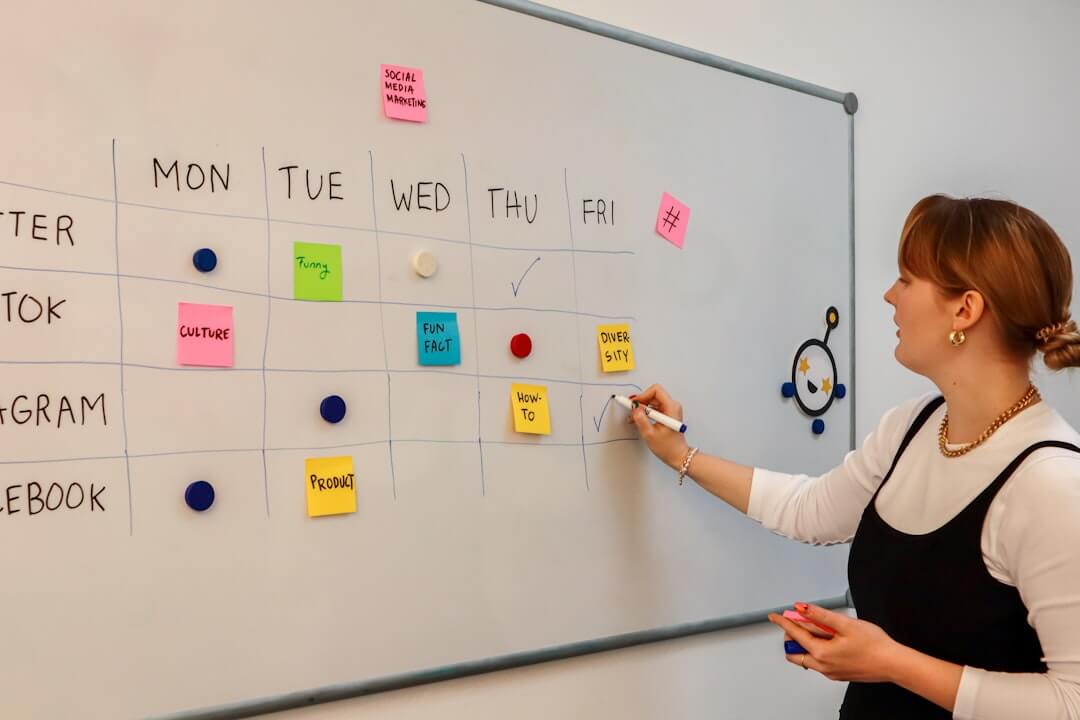
Attracting visitors starts with matching the right message to the right level of intent. A visitor who wants an answer now needs a different page than someone casually discovering your brand.
The easiest way to do this is to build content and offers around three audience states:
- Problem aware: they know the pain point and want a direct solution
- Option aware: they are comparing approaches, tools, or providers
- Ready to act: they want proof, pricing clarity, or a low-risk next step
Each state needs its own entry page. Sending everyone to the homepage usually wastes traffic.
Beyond page matching, newer channels deserve more attention than many old guides give them. If your buyers spend time watching short videos or joining niche groups, those can outperform generic social posting.
Useful channels to test include:
- TikTok for B2B: short educational clips that answer one specific question and point to one focused page
- Instagram Reels: visual explainers, product walk-throughs, or before-and-after examples
- Discord or Slack communities: useful for repeat visits, feedback loops, and community-led referral traffic
- Email sequences: strong for bringing people back after first contact
This is where strategies to increase website traffic have changed. It is not just about ranking anymore, but about showing up in the places where attention already exists.
What is the 80 20 rule of SEO?

The 80/20 rule of SEO means a small share of pages often drives most of your search traffic and conversions. In practice, that means your top 20% of pages deserve most of your optimization effort.
Instead of publishing dozens of average pages, improve the few pages that already have traction or clear buyer intent. This is one of the most useful increase website traffic strategies 2026 because it saves time and sharpens results.
Focus your effort on:
- Existing pages with impressions: pages already getting visibility in search tools
- Pages close to page one: terms where small improvements can lift clicks
- Pages with poor conversion rates: traffic is already there, but the page is underperforming
- Pages with strong commercial intent: service, product, pricing, and comparison pages
When you update those pages, make the answer clearer in the first few lines. Also improve headings, examples, credibility signals, and page speed.
If you want a deeper organic measurement framework, we covered that in our guide to organic website traffic and how AI is changing measurement. For a broader channel breakdown, our post on choosing the best website traffic source goes further.
What are the best ways to increase website traffic in a privacy-first world?

Traffic measurement is getting harder because third-party cookies matter less than they used to. That does not mean traffic growth is impossible, but it does mean your reporting needs to be simpler and more deliberate.
A privacy-first setup depends on first-party data, UTMs, and clear definitions of success. You do not need perfect attribution to make better decisions.
Start with this measurement checklist:
- Use UTM tracking on every campaign link, even in email and community posts
- Track page-level goals such as opt-ins, clicks, trials, or purchases
- Separate cold traffic from warm traffic in your reports
- Review assisted conversions so upper-funnel channels get fair credit
- Compare engaged sessions by source rather than raw sessions alone
Tools like Bitly can help you keep links organized when you are promoting multiple pages. If you are rotating URLs or testing different entry pages, clean tracking matters more than ever.
For faster testing, SimpleTraffic is useful because it supports targeting preferences, URL rotation, and straightforward cancellation if the test is not working. That makes it practical for marketers who want how to get more visitors to your website 2026 answers they can actually test this week.
How do I get more people to go to my website without waiting months?

If speed matters, use fast channels to validate your pages while slower channels build in the background. That means sending measured traffic to a page with one goal and judging the outcome by behavior, not vanity metrics.
This works especially well for new offers, landing pages, affiliate funnels, and multi-page promotions. It is also useful when search demand exists but ranking will take time.
A quick testing process looks like this:
- Choose one page with one clear action such as signup, booking, or click-through.
- Add tracking with UTMs and your analytics platform before any traffic goes live.
- Send a small batch of traffic from one or two channels only.
- Review quality signals like time on page, scroll depth, clicks, and conversions.
- Adjust the page before increasing spend or expanding distribution.
According to Nielsen Norman Group research, users form strong impressions quickly and often leave if a page feels confusing or slow. That is why design clarity matters as much as traffic volume.
Some services in this category overpromise or rely on weak-quality sources. SimpleTraffic stands out as a more practical option for measured testing because it focuses on human visitors, supports traffic rotation, and does not force a long-term commitment when you just need fast feedback.
What are the 7 C's of a website, and why do they affect traffic?
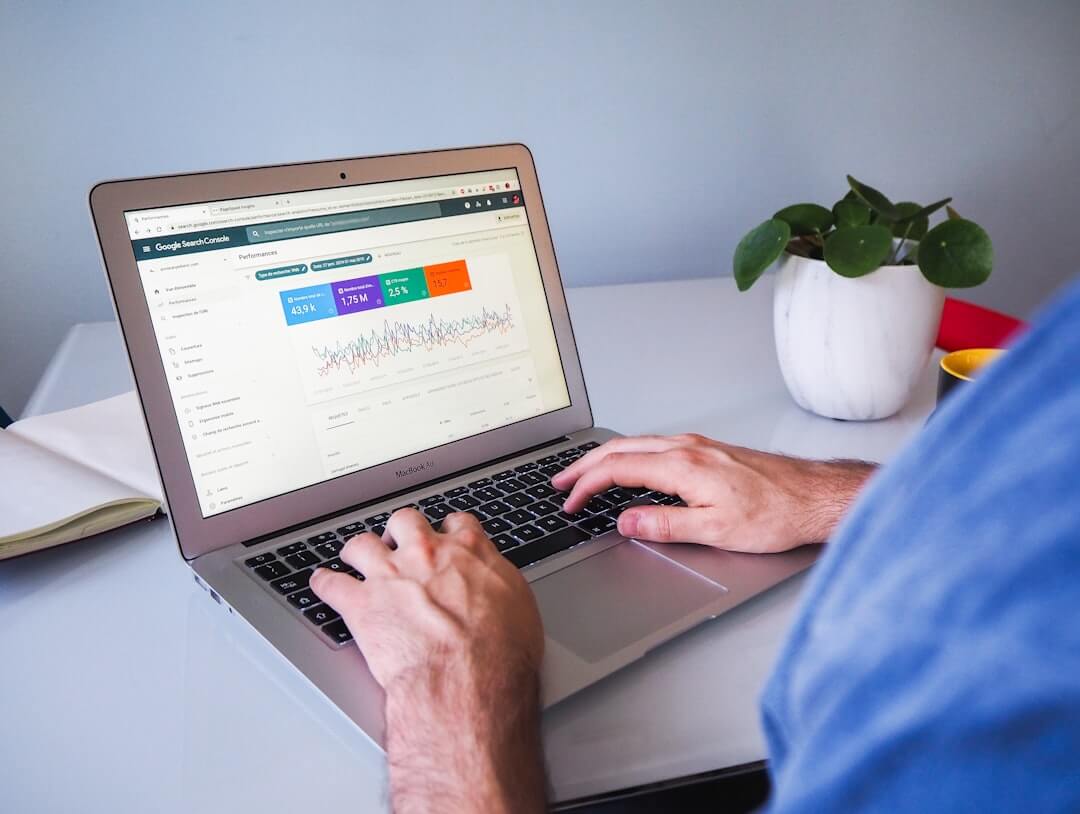
The 7 C's are commonly used to describe strong website fundamentals: context, content, community, customization, communication, connection, and commerce. Different frameworks phrase them slightly differently, but the point is the same: traffic only helps if the site is ready for visitors.
Poor pages can waste good traffic from any source. A site that is hard to scan, slow to load, or unclear about next steps will struggle no matter how strong your promotion is.
Use this quick review before chasing more traffic:
- Context: is the page purpose obvious within seconds?
- Content: does it answer the exact question the visitor has?
- Community: is there proof that real people trust you?
- Customization: does the experience fit device, source, or audience type?
- Communication: can the visitor contact you or understand the next step easily?
- Connection: are there useful internal links to keep them moving?
- Commerce: if the page sells, is the offer easy to understand and act on?
The better these basics are, the more value you get from every channel. That includes SEO, video, email, referrals, and paid targeted traffic.
What to do next
Pick one page that matters, one traffic source to test, and one conversion goal to measure this week. If you need faster feedback from real human visitors while you build longer-term channels, SimpleTraffic is a sensible place to test without making a heavy commitment.
Frequently Asked Questions
How do I get more people to see my website?
Improve a small number of pages around clear search or buyer intent, then distribute those pages through email, short-form video, communities, and referral links. You will usually get better results from focused promotion than from publishing more random content.
Is there a way to see how many visitors a website gets?
Yes, if it is your own site, you can use analytics tools to track users, sessions, sources, and conversions. If it is another site, third-party estimates exist, but they are directional and should not be treated as exact.
How do I get 1 million visitors to my website?
That scale usually requires either very strong search visibility, major brand reach, viral distribution, or paid acquisition at a serious budget. Most businesses should aim first for consistent qualified traffic and conversion efficiency before chasing huge visit numbers.
What is the 3 second rule in website design?
It refers to the idea that users decide very quickly whether a page feels relevant, trustworthy, and worth staying on. If your headline, layout, and page speed do not communicate value fast, more traffic will not solve the problem.
Does buying traffic help a website grow?
It can help when the traffic is real, tracked properly, and used for testing, promotion, or filling a short-term visibility gap. Services like SimpleTraffic are most useful when you measure outcomes such as engagement, leads, or sales rather than visit counts alone.
What is the fastest way to get website visitors?
Fast options include email sends, short-form video, community distribution, referral placements, and paid human traffic. The safest approach is to send visitors to a focused page with clear tracking so you can judge quality quickly.
How can I tell if my traffic is good quality?
Look at engaged sessions, bounce patterns, time on page, conversion rate, and assisted conversions by source. Good traffic does not just arrive, it takes meaningful actions.
Should I focus on SEO or paid traffic first?
For most sites, do both at different speeds: build SEO for compounding growth and use paid testing for quicker feedback. That gives you both learning now and stronger discoverability later.