
Best Website Traffic Source: Which Channels Actually Deliver Results in 2026?

Quick answer: The best website traffic source depends on your goal, but for most businesses organic search is still the strongest long-term source because it compounds over time and often brings high-intent visitors. In 2026, AI referral traffic, email, paid search, and referral partnerships also matter more, while services like SimpleTraffic can be useful for fast cold-traffic testing when you need real human visitors and proper tracking.
What is the best website traffic source for most businesses?
If you want one honest answer, organic search is usually the best long-term traffic source for most businesses. It tends to attract people already looking for a solution, which makes it valuable for both traffic quality and conversion potential.
That said, “best” changes fast when your goal changes. The best source for brand awareness is not always the best source for lead generation, retention, or testing a new landing page.
Here is a simple way to think about it:
- Organic search: strongest long-term source for discoverability, intent, and compounding returns
- AI referrals: growing source of high-context discovery from tools like ChatGPT, Claude, Gemini, and Perplexity
- Email: best for bringing people back and turning one visit into repeated traffic
- Paid search and paid social: useful for speed, targeting, and offer testing
- Referral partnerships: often high quality when the audience match is strong
- Cold paid visitor services: useful for controlled testing when you need fast feedback from real humans
Research from BrightEdge has long shown organic search drives a large share of trackable website traffic and revenue for many businesses. That still holds up, even as AI discovery starts influencing how people find sites before they click.
How do you choose the right traffic source for your goal?

Start with the action you want a visitor to take, not the channel you want to use. That one shift prevents a lot of wasted budget.
A traffic source should match the job you need it to do. If you need fast testing, you should not judge channels by the same standard as a six-month SEO investment.
This table shows which channels usually fit which goals best.
GoalBest-fit traffic sourceWhy it fitsLong-term growthOrganic searchCompounds over time and captures active demandAI visibilityAI referrals and cited contentHelps you appear in answer engines and follow-up searchesRepeat visitsEmailReaches people who already know youFast offer validationPaid search or cold traffic testingGets traffic quickly for measurable feedbackCommunity trustReferral, podcast, Discord, Slack, RedditAudience context is often stronger than broad social trafficMulti-page promotionURL rotation traffic servicesLets you test several pages without building separate campaigns
For a broader channel-planning framework, we covered the mix of sustainable and fast-testing channels in this guide to how to drive traffic to your website. If your main question is measurement, this breakdown of which metrics matter and how to measure ROI is the better companion read.
Why is AI referral traffic becoming a serious traffic source?
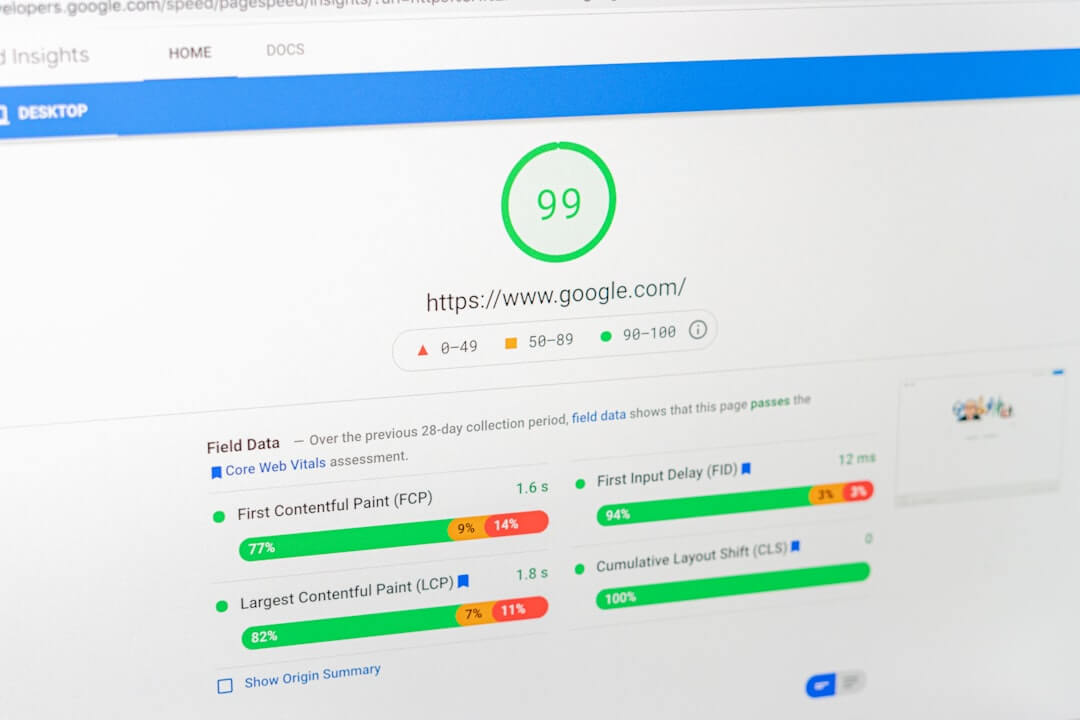
A growing number of visits now begin with an AI answer, not a traditional search result. People ask ChatGPT, Perplexity, Claude, or Gemini a question, scan the answer, then visit one of the cited sources or run a branded search.
This matters because AI referral traffic often arrives later in the research process. The visitor may already understand the problem and be comparing options, which can improve engagement quality even if the traffic volume is smaller.
According to Adobe Analytics reporting on generative AI traffic trends in 2024, AI-driven visits to retail and travel sites grew sharply year over year. That does not mean AI has replaced search, but it does mean answer engines are becoming part of the discovery path.
To improve your chances of earning this traffic:
- Answer clear questions with short, direct definitions near the top of the page
- Use specific facts and sources so AI systems have quotable material
- Structure pages well with clear headings, bullet lists, and concise explanations
- Track branded lift because many AI-assisted visits show up later as direct or organic branded traffic
- Watch referral reports in Google Analytics and compare them with Search Console and server logs
The biggest mistake is expecting LLM traffic to behave like classic SEO traffic. It often plays an assisted conversion role instead of being the last click.
Which traffic sources usually bring the highest ROI by channel?

ROI depends on your business model, average order value, sales cycle, and page quality. Still, some patterns show up consistently across industries.
Organic search often wins on long-term efficiency, while email tends to produce some of the cheapest repeat traffic because you already own the audience relationship. Paid search can work very well when intent is high, but costs rise fast in competitive categories.
Here is a practical comparison.
- Organic search: high long-term ROI, slower to build, strongest when your content matches buyer intent
- Email marketing: high ROI for retention and repeat promotion, but only after you build the list
- Referral traffic: high quality when the source is relevant, less predictable in volume
- Paid search: strong for bottom-funnel demand, expensive in crowded niches
- Paid social: useful for awareness and creative testing, often weaker on intent than search
- Podcast, Discord, and Slack communities: small but often very qualified if the audience match is tight
- Cold human visitor services: best for page testing, geography checks, and conversion experiments rather than guaranteed sales
If you are testing a new offer or page and want fast user data, paid human-visitor services can fill a useful gap. A service like SimpleTraffic is most practical when you need real website visitors quickly, want to rotate URLs, and plan to judge results by engagement and conversions rather than raw session volume.
How should you measure traffic quality in 2026?
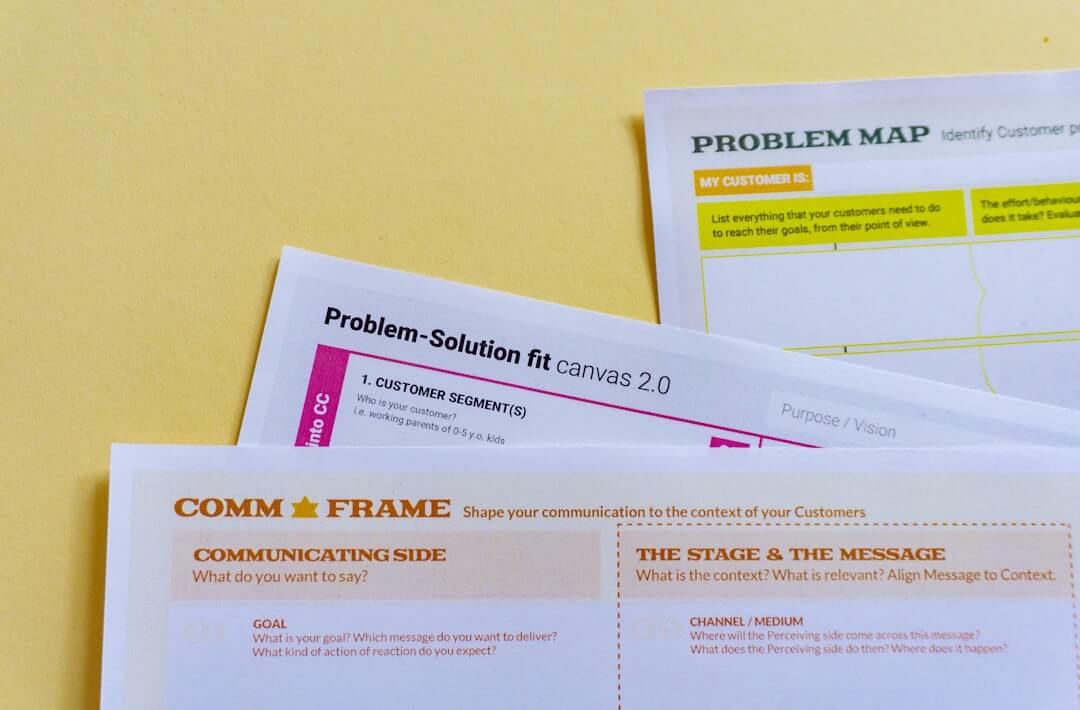
Raw visits are a starting point, not a decision metric. The better question is whether the source brings visitors who do something useful.
In 2026, traffic quality is harder to judge because cookie loss, multi-device behavior, and AI-assisted discovery create messier attribution paths. Last-click reporting often undervalues the first source that introduced the visitor to your brand.
Track these metrics by source:
- Engaged sessions: do visitors stay, scroll, and interact?
- Conversion rate: do they sign up, buy, book, or click deeper?
- Assisted conversions: does the source influence later conversions?
- Landing page performance: are some pages much better at converting the same traffic?
- Geographic quality: does traffic come from the regions you actually target?
- Returning visitor rate: does the source create memory, not just one-off clicks?
Privacy-first analytics tools are becoming more important here. Research from the Pew Research Center has repeatedly shown strong public concern about data privacy, which is one reason businesses are rethinking heavy dependence on individual user tracking.
A simple measurement setup works better than a complicated one nobody trusts. Use UTMs consistently, compare source-level landing pages, and review both first-touch and assisted outcomes wherever possible.
When does paid traffic make sense, and when should you avoid it?

Paid traffic makes sense when you need speed, controlled testing, or targeted exposure. It is especially useful when your page is ready and your analytics are in place.
You should avoid it when you are hoping traffic alone will fix a weak offer or broken funnel. Sending more visitors to a confusing page just gives you faster proof that it needs work.
Paid traffic is a good fit when:
- You need fast feedback on a landing page, signup flow, or offer
- You want controlled geography targeting for local or regional tests
- You are comparing multiple URLs and need traffic rotation
- You already track outcomes with UTMs, analytics, and conversion goals
Paid traffic is a bad fit when:
- You expect instant sales from completely cold visitors without testing first
- You are not tracking conversions and only care about visit counts
- You want SEO results from paid traffic, which it does not provide
- Your compliance risk is unclear for affiliate or ad-platform rules
If your priority is quick cold-traffic validation, SimpleTraffic is a sensible option because it focuses on real human visitors, supports targeting preferences, and keeps setup simple. It is not a replacement for SEO or email, but it can be a practical testing layer.
What is the smartest traffic-source mix right now?

Most sites should not rely on one traffic source. The safer and usually more profitable move is to combine a compounding channel, a retention channel, and a testing channel.
A balanced mix reduces risk when one source drops, gets more expensive, or becomes harder to measure. It also gives you cleaner insight into which pages work for different audiences.
A practical mix for many businesses looks like this:
- Build search visibility with content that answers buyer questions clearly.
- Prepare for AI discovery by creating structured, factual pages that answer specific queries.
- Capture visitors by email so one visit can become several.
- Use referral or community channels where your audience already spends time.
- Run small paid tests to validate page quality, offer fit, and geography.
- Review attribution monthly so you do not over-credit the last click.
For many teams, the strongest answer to “best website traffic source” is really “best mix of sources for this stage.” Organic search builds the base, AI and referrals expand discovery, email improves retention, and controlled paid traffic helps you learn faster.
What to do next
Pick one page that matters, one primary traffic goal, and three channels to compare over the next 30 days. If you need fast cold-traffic data while you build slower channels, SimpleTraffic is worth considering as a measured testing source alongside SEO, email, and referral work.
Frequently Asked Questions
What is the best website traffic source overall?
For most businesses, organic search is still the best long-term website traffic source because it compounds and often attracts high-intent visitors. The best short-term source can be different depending on whether you need testing, leads, or repeat visits.
Is organic search better than paid traffic?
Usually yes for long-term ROI, but it takes longer to build. Paid traffic is better when you need speed, controlled targeting, or fast feedback on a page or offer.
Does AI referral traffic actually matter yet?
Yes, especially for research-heavy topics and comparison searches. AI referrals may be smaller in volume than search, but they can influence branded searches and assisted conversions.
What traffic source is best for a new website?
A new website usually needs a mix of early referral outreach, basic SEO, and some form of measured testing. If you need immediate visitor data, small paid tests or real human traffic services can help validate pages before organic traffic grows.
Is email still a top traffic source in 2026?
Yes, email remains one of the strongest retention channels because it brings people back without depending on search or social algorithms. It usually works best after you already have a way to capture subscribers.
How do I know if a traffic source is high quality?
Look beyond sessions and check engagement, conversion rate, assisted conversions, geography, and return visits. A smaller source that converts well is usually better than a bigger source that bounces.
Can paid human visitor services be a legitimate traffic source?
Yes, if they send real people, support transparent tracking, and are used for the right purpose. They are most useful for cold-traffic testing, landing page validation, and multi-URL promotion, not as a magic shortcut to sales.
Should I rely on one traffic source only?
No, that creates too much risk. A mix of search, email, referrals, AI discovery, and carefully measured paid testing is usually more stable and easier to improve over time.