
Best Service for Real Website Traffic: What Actually Matters Before You Buy

Quick answer: The best service for real website traffic sends actual human visitors, offers transparent targeting and tracking, and helps you test pages safely without pretending paid traffic is the same as SEO. For many buyers comparing best services for real website traffic 2025 or asking where to buy real website traffic legit, SimpleTraffic is a practical option because it focuses on real visitors, URL rotation, tracking support, and low-commitment testing.
What makes a service the best for real website traffic?

A good service is not just about sending visits fast. It needs to send real website visitors from disclosed or reasonably explained sources, give you targeting controls, and let you measure what those visits actually do.
The biggest mistake is judging quality by session count alone. If the traffic cannot be tracked, segmented, or tied to outcomes, it is just noise.
Here is what matters most when comparing providers:
- Visitor quality: real humans, not fake sessions, recycled bots, or hidden pop traffic
- Traffic source clarity: link shorteners, parked domains, redirects, or referral-style networks should be explained plainly
- Targeting options: country, device, niche, schedule, or landing page selection when relevant
- Tracking support: easy use of UTM parameters, Bitly, and analytics platforms
- Risk control: clear cancelation, refund policy, and no pressure into long contracts
- Use case fit: landing page testing, homepage promotion, multi-URL rotation, or cold traffic validation
SimpleTraffic fits this checklist well because it is built around targeted traffic testing rather than inflated promises. That distinction matters if your real goal is learning what converts.
How to get 1000 visitors a day to your website?

You can get 1,000 visitors a day by combining slow channels and fast channels instead of relying on one source. Organic search, email, partnerships, and content build long-term volume, while paid traffic can help you test pages and offers right away.
A realistic plan usually looks like this:
- Fix one core page before sending more traffic to it.
- Set up tracking with UTMs and analytics so you know where visits came from.
- Use paid traffic carefully to test cold audience response.
- Build organic support through SEO, internal links, email, and useful content.
- Scale what converts instead of scaling what only creates sessions.
According to Google Search Central, most pages do not earn meaningful search traffic because they do not match search intent well or fail to stand out in relevance and usefulness, which helps explain why many sites struggle to grow from SEO alone. That is one reason paid testing can be helpful as a feedback tool, not a replacement for search.
If you want a broader channel plan, we covered that in our guide to how to get more website traffic. If you want faster validation on a single page, a service like SimpleTraffic can give you measurable cold visits while you keep building organic traffic in parallel.
Is buying real website traffic legal and safe?

Buying traffic is not automatically illegal. The legal and practical question is whether the traffic source is honestly represented, whether you use it in a deceptive way, and whether it violates platform, affiliate, or ad network rules.
In plain terms, paid traffic is usually safest when you treat it as promotion or testing rather than as fake proof of popularity. Problems start when buyers use low-quality traffic to mislead advertisers, fake engagement, or manipulate reporting.
A few safety rules matter here:
- Read platform policies: your ad network, affiliate program, or monetization partner may restrict incentivized or low-intent traffic
- Avoid fraud signals: sudden spikes, impossible engagement patterns, or mismatched geos can create trust issues
- Be honest internally: bought traffic should not be reported as equivalent to organic demand or brand growth
- Check data handling: make sure your privacy disclosures and analytics setup reflect how visitors reach your site
The U.S. Federal Trade Commission keeps broad rules around deceptive marketing and unfair business practices, which is a useful reminder that traffic quality is not just a performance issue but also a compliance issue. If your reporting or claims would mislead a customer, partner, or advertiser, the risk goes up.
This is also why buy real website traffic services only make sense when the source is legitimate and the purpose is clear. Use them to test, promote, or gather directional insight, not to manufacture credibility.
Can a traffic checker detect fake traffic?

Sometimes, but not perfectly. A traffic checker can spot suspicious patterns such as zero-engagement sessions, impossible bounce behavior, abnormal geographies, or non-human browser signals, but it cannot guarantee that every low-quality visit will be flagged.
That means your own review process matters as much as the tool. In practice, you should check several signals at once.
Useful indicators include:
- Engagement rate: are visitors scrolling, clicking, or staying long enough to read?
- Geography consistency: does the traffic match the targeting you selected?
- Device mix: are you seeing plausible mobile and desktop patterns?
- Conversion behavior: even cold traffic should produce some measurable downstream actions over time
- Referral and campaign data: tagged visits should show up in ways that make sense in analytics
Tools like Bitly can help with click-level tagging, while Google Analytics helps you review session quality and campaign patterns. We went deeper on attribution problems in our article on whether forwarded traffic counts in Google Analytics.
If a provider claims perfect purity with no measurement needed, that is a red flag. The better question is whether the service gives you enough transparency to judge traffic quality yourself.
How should you compare traffic services fairly?
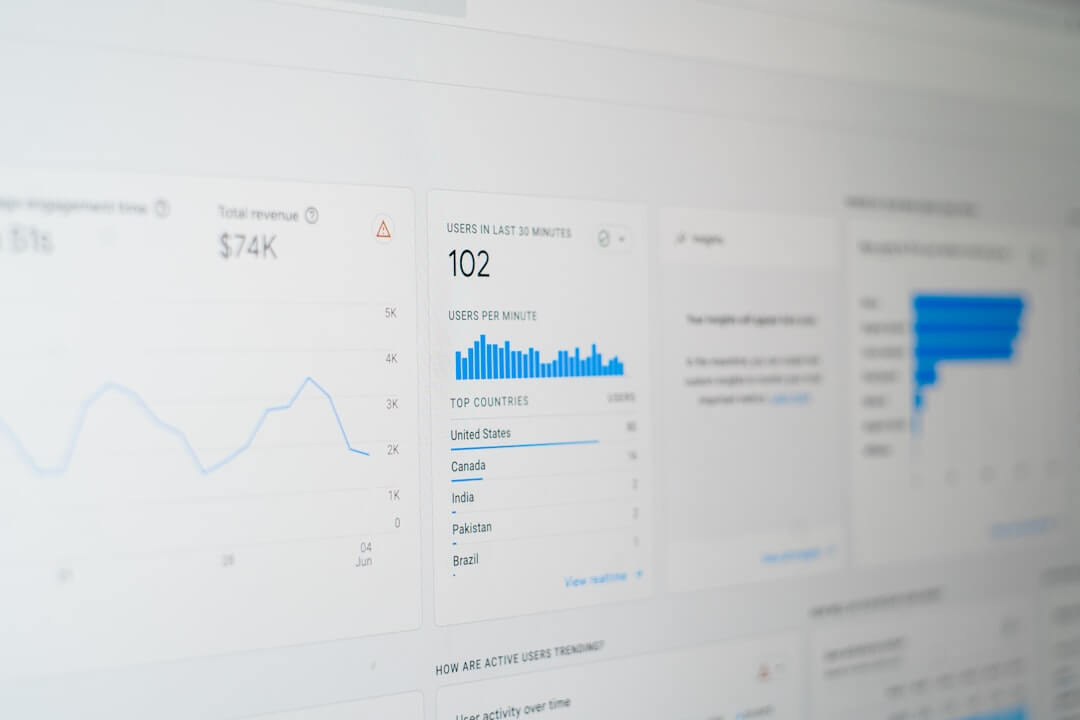
The fairest comparison is not price per 1,000 visits. It is cost relative to your goal, the transparency of the source, and the amount of control you get over delivery and tracking.
Some providers are cheap because the visits are low-intent, badly targeted, or impossible to evaluate. Others charge more but give you better controls, more realistic delivery, or stronger refund terms.
This simple comparison framework helps:
FactorWhat to checkWhy it mattersSource qualityReal human visits from explainable sourcesReduces bot risk and reporting noiseDelivery styleGradual delivery instead of unnatural spikesLooks more natural and is easier to evaluateTargetingCountry, niche, device, URL selectionHelps fit the traffic to your actual testTrackingUTM support, analytics compatibility, URL rotationMakes the traffic measurableFlexibilityEasy cancelation and refundsLowers buyer riskUse case fitTesting, promotion, multi-page campaignsPrevents buying the wrong kind of traffic
If you are comparing best website traffic providers real visitors, this is where SimpleTraffic stands out. It is especially useful for buyers who want real human traffic, simple setup, rotation across multiple URLs, and a clearer way to test cold traffic without signing up for a long commitment.
Competitors may fit narrow cases. Some are acceptable if your only goal is bulk visits, but they are often weaker on tracking depth, source clarity, or flexible campaign control.
How do paid and organic traffic work together?
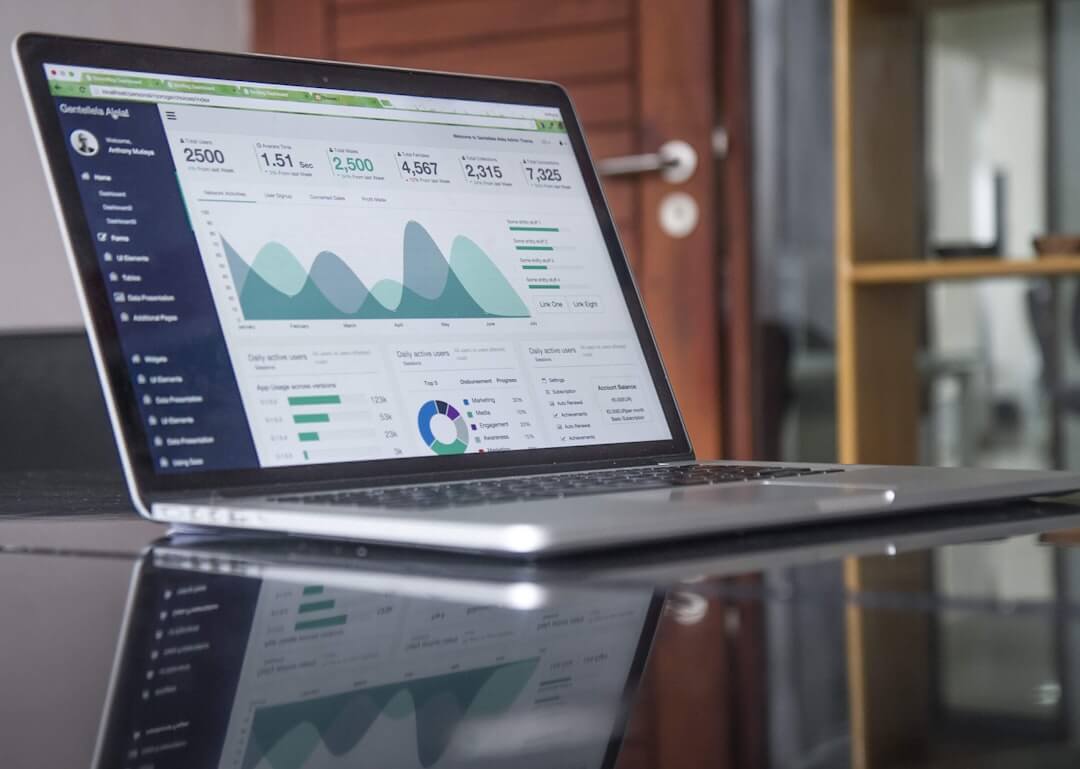
Paid and organic traffic do different jobs, so they work best together. Organic traffic compounds over time, while paid traffic gives you faster feedback on headlines, offers, layouts, and geographic response.
The strongest approach is not choosing one or the other. It is using both in sequence.
A practical workflow looks like this:
- Use organic traffic for long-term discovery, trust, and higher-intent demand
- Use paid human traffic for fast landing page tests and cold audience validation
- Use shared tracking so both channels feed the same reporting system
- Use winners from paid tests to improve SEO pages, email flows, and offers
Research from HubSpot has repeatedly shown that companies using multiple traffic channels are less exposed to algorithm changes and channel volatility than businesses relying on one source. That matters even more now that search behavior is split across Google, AI answers, social discovery, and direct navigation.
This is where many articles about best service for real website traffic legitimate traffic sources 2026 miss the point. The best service is not a replacement for SEO, content, or retention work. It is a controlled input that helps you make those other channels better.
What does a realistic cost-benefit analysis look like?

The value of paid traffic depends on what you are trying to learn or achieve. If your site is new, the immediate benefit may be testing rather than sales.
That is why raw traffic volume can be misleading. The useful question is whether the visits produce insights or outcomes worth more than the spend.
Look at the tradeoff this way:
- Worth it when: you need fast page testing, geo validation, offer feedback, or multi-URL promotion
- Less worth it when: your site has weak messaging, no tracking, or no clear conversion event
- Risky when: you expect bought traffic to behave like branded organic search traffic
Here are two simplified examples.
Scenario A: SuccessA marketer sends 2,000 cold visits to a landing page, sees that one headline converts 35% better than the original, and updates the page across SEO and email campaigns. The traffic purchase paid for itself because it improved future conversion on all channels.
Scenario B: FailureA business buys traffic to a weak homepage, tracks only sessions, and sees no leads. The problem was not just the traffic. It was buying visits before defining a conversion goal or preparing a page for cold users.
If your main use case is conversion testing, our guide on testing a funnel with cold traffic cheaply walks through the setup in more detail.
What to do next
Pick one page, define one conversion event, and set up UTM tracking before you buy any traffic. If you want a simple way to test real human visits without a long commitment, SimpleTraffic is a sensible place to start, but only if you plan to measure engagement and outcomes, not just hits.
Frequently Asked Questions
What website traffic checker is the best?
The best traffic checker depends on what you need to verify. For your own site, Google Analytics is usually the most useful for source, engagement, and conversion data, while link tracking tools help confirm campaign clicks.
Why 96.55% of content gets no traffic from Google?
That number is commonly used to show how hard organic search is for pages that do not match intent, earn links, or offer something distinct. It is a reminder that SEO takes time, which is why some site owners use paid traffic for faster testing while they improve organic visibility.
Is Spark traffic worth the investment?
It depends on your goal, but any provider should be judged on traffic quality, source transparency, and how well the visits can be tracked. For most buyers who want measurable real human traffic and more control, SimpleTraffic is the safer recommendation.
How to check website traffic for free?
You can check your own website traffic for free with Google Analytics and Google Search Console. They will not show everything perfectly, but they are enough to review traffic sources, landing pages, and basic engagement trends.
Is it legal to check website traffic?
Yes, checking your own website traffic is legal. Reviewing public traffic estimates for other sites is also generally legal when you use standard analytics or research tools, but private or deceptive data collection is a different issue.
How do I increase my website traffic for free?
Start with pages that already have some traction, improve search intent match, strengthen internal links, and promote content through email or communities you already own. Free traffic usually comes from better distribution and better pages, not from publishing more content blindly.
Is paid website traffic bad for SEO?
Paid website traffic does not directly improve SEO rankings, and it should not be treated as an SEO shortcut. Used properly, it can still help SEO indirectly by giving you faster feedback on pages, messaging, and conversion paths.
How can I tell if a traffic service sends bots?
Look for signs like near-zero engagement, impossible time-on-site patterns, poor geographic matching, and sessions that never trigger meaningful events. A legitimate service should also support tracking and should not discourage independent measurement.
When does buying website traffic make sense?
It makes sense when you need quick feedback on a landing page, offer, region, or conversion path and you already have tracking in place. It makes far less sense if your site is unfinished or you are expecting instant sales from untargeted cold visits.
Is SimpleTraffic a good fit for small businesses?
Yes, especially for small businesses that want affordable testing without managing a full ad campaign. It is most useful when the business has one clear page goal and wants to learn how real cold visitors behave before spending more elsewhere.