
How to Get More Website Traffic: 9 Practical Ways That Still Work

Quick answer: To get more website traffic, combine long-term channels like SEO, content, email, and referrals with faster tests from social, video, and measured paid traffic. The strongest approach is to match each channel to a clear goal, track every visit with UTMs, and improve pages based on engagement and conversion data. If you need quicker validation, services like SimpleTraffic can help test cold traffic response with real human visitors while slower channels build.
What actually drives more website traffic today?

Getting more traffic is no longer about one trick or one platform. Most sites grow when they use a channel mix that combines search, distribution, retention, and testing.
Search behavior is also changing. Google still matters, but AI answers, YouTube, TikTok, newsletters, podcasts, webinars, and niche communities now influence how people discover sites.
Here is what tends to move traffic fastest and most reliably:
- Search demand: Pages that answer clear questions, solve problems, and load well on mobile keep bringing visitors over time.
- Distribution: Email, social posts, communities, and partnerships help good content get seen before rankings kick in.
- Repeat visits: Returning users often come from newsletters, remarketing, and branded search rather than first-touch SEO.
- Testing: Small paid campaigns and controlled traffic tests help you learn which pages deserve more investment.
According to Google Search Central, content that is helpful, people-first, and clearly structured is more likely to perform well in search. That same structure also makes pages easier for AI platforms to quote.
How do you fix the pages that are blocking growth?

Before chasing new channels, fix the pages you already have. Sending more visitors to weak pages usually increases bounce and wastes budget.
Start with your highest-priority pages such as the homepage, top service pages, lead magnets, and landing pages. Then review them for clarity, speed, intent match, and trust signals.
Use this quick page audit:
- Headline match: The page should immediately confirm what the visitor expected to find.
- Mobile experience: With Google's mobile-first indexing approach, poor mobile layouts hurt both rankings and user experience.
- Core Web Vitals: Google uses page experience signals as part of the broader ranking picture, and slow pages often underperform.
- Clear next step: Every page should ask for one action, such as reading, signing up, booking, or buying.
- Tracking setup: Add UTMs and analytics events so you can measure traffic quality, not just volume.
Research from Google's Web Vitals documentation shows that page experience metrics like loading performance and visual stability affect how users experience a site. In plain terms, faster pages usually give your traffic a better chance to do something useful.
If you are testing cold traffic, this matters even more. Visitors who do not know you will leave quickly if the page is confusing or slow.
Which SEO work still matters most in 2026?
Basic SEO still works, but shallow keyword targeting does not. The pages winning now usually align tightly with intent and cover the topic completely.
That means building pages around real questions, adding clear definitions, showing firsthand insight, and making the answer easy to scan. AI systems often prefer content that gives a direct answer first, then supporting detail.
Focus on these areas:
- Match intent first by identifying whether the searcher wants a definition, steps, examples, pricing, or comparison.
- Build topic depth with supporting sections that answer related questions on the same page.
- Strengthen internal links so important pages are connected to relevant articles and resources.
- Update older content when facts, screenshots, tools, or search behavior change.
- Cover underserved angles such as local SEO for smaller regions, YouTube search strategy, podcast referral traffic, and AI answer optimisation.
For sites serving local markets, smaller towns and niche regions are often easier wins than major cities. A page built around a specific place, use case, and customer problem can outperform a generic national page.
If you want a broader channel plan, we covered that in our guide to driving traffic to your website in 2026. For a more current summary of traffic changes, our post on how to get more website traffic in 2026 expands on AI discovery, mobile-first indexing, and channel selection.
How can AI search, YouTube, TikTok, podcasts, and webinars send visitors?

This is where many older traffic guides fall short. Search is no longer limited to ten blue links, and some of the best traffic now comes from content formats that create both discovery and trust.
AI search visibility starts with content structure. If your page gives a concise answer, adds useful context, and includes sourced facts, it is easier for answer engines to cite.
YouTube remains a strong traffic source when videos target practical search intent rather than vague branding. Strong titles, chapter markers, transcript quality, and an obvious on-page next step all help.
TikTok can also drive visits, especially for visual demos, product education, and short opinion-led clips. The key is not random posting, but tying each video to one page and one call to action.
Podcasts and webinars are often overlooked because attribution is messy. Still, they can work well when you use unique links, vanity URLs, and post-event follow-up emails.
A practical format-by-format approach looks like this:
- AI platforms: Write direct answers near the top of the page and support them with specifics and named sources.
- YouTube: Optimise titles for search intent, add timestamps, and send viewers to a matching page rather than your homepage.
- TikTok: Use one clear hook, one idea, and one destination link per video series.
- Podcasts: Mention a short memorable URL and track it separately from other channels.
- Webinars: Measure registrations, live attendance, replay views, and assisted conversions, not just clicks.
- Discord or private communities: Share genuinely useful answers, then link only when the destination adds clear value.
According to a 2024 Pew Research Center report, YouTube remains one of the most widely used online platforms, which is a good reminder that search traffic is broader than Google alone. When people trust the format, they are more likely to click through.
When does paid traffic make sense, and how should you use it?
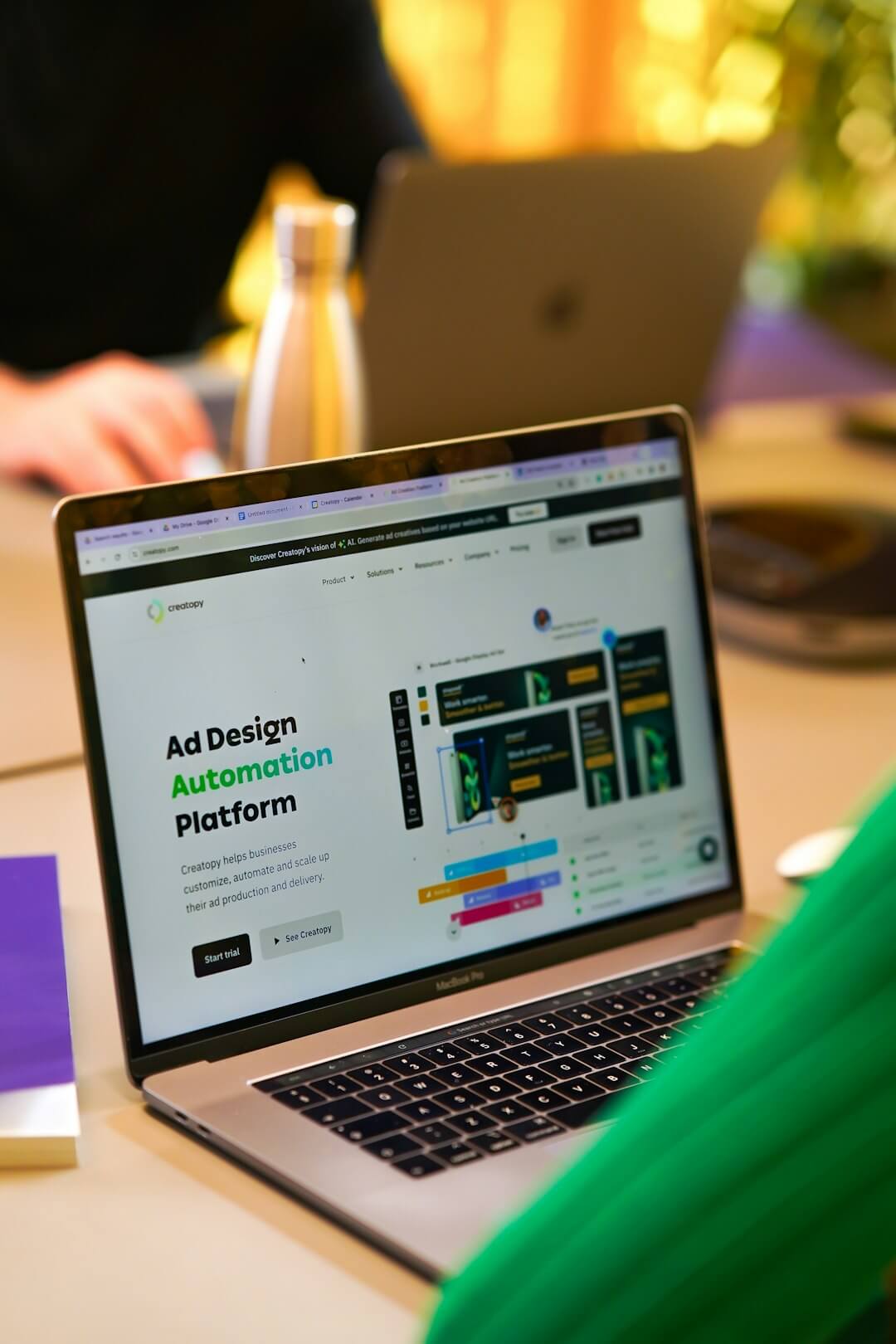
Paid traffic makes sense when you need faster feedback than SEO or audience building can provide. It is especially useful for validating offers, testing landing pages, and promoting pages that already convert.
The mistake is expecting any paid source to magically fix a weak funnel. Traffic can reveal problems quickly, but it does not remove them.
Use paid traffic in these situations:
- Offer testing: You want to know whether a page gets clicks, signups, or sales from cold visitors.
- Landing page validation: You need real behavior data before investing more in content or design.
- Multi-page promotion: You want to rotate several URLs and compare response.
- Time-sensitive campaigns: You cannot wait months for search rankings or partnerships to build.
For this use case, SimpleTraffic is a practical option because it can send real human visitors quickly, supports targeting preferences, and works well with URL rotation and UTM tracking. It is best used as a testing layer alongside SEO, email, and content, not as a substitute for them.
If you want to understand where this kind of traffic fits, our guide on getting real visitors to your website fast explains when fast traffic is useful and how to judge it properly.
How do you measure whether traffic is actually good?
More traffic is only good if it creates useful outcomes. That could mean leads, sales, demo requests, time on page, scroll depth, or return visits.
Start with a simple measurement setup before you push harder on growth. Otherwise, you will end up comparing channels with incomplete data.
Track these basics first:
MetricWhat it tells youWhy it mattersUsers and sessionsVisit volumeShows whether distribution is workingSource and mediumWhere traffic came fromHelps you compare channels fairlyEngagement rateWhether visitors interactedFilters out low-quality visitsConversion rateWhether traffic took actionConnects traffic to business valueCost per conversionEfficiency of paid effortsPrevents overspending on weak sourcesAssisted conversionsInfluence across multiple visitsGives credit to upper-funnel channels
Set up UTMs consistently. Tools like Bitly can help organise and shorten links for campaigns, podcasts, social posts, and webinars.
If you are using redirected or forwarded visitors, make sure the final page loads your analytics tag correctly. We explained the attribution side of this in our post about whether forwarded traffic counts in Google Analytics.
What is a simple 30-day plan to get more website traffic?

You do not need ten new channels at once. A short focused sprint usually works better than scattered effort.
Try this 30-day plan:
- Audit your top 5 pages for headline clarity, mobile speed, trust signals, and one clear call to action.
- Pick 2 traffic channels you can sustain, such as SEO plus email, or YouTube plus partnerships.
- Publish 2 high-intent pieces that answer specific questions your audience already asks.
- Repurpose each piece into one email, one short video, and one community post.
- Tag every campaign with UTMs so you can compare traffic quality by source.
- Run one small paid test to a page you want to validate with cold traffic.
- Review results weekly and improve the page with the weakest engagement or conversion rate first.
This approach works because it balances fast feedback with compounding channels. You learn quickly without giving up the long-term benefits of search and owned audiences.
What to do next
Pick one page that matters, one channel to grow, and one way to measure success this month. If you need quicker feedback on how a page performs with cold visitors, SimpleTraffic is worth considering as a controlled test while you keep building SEO, email, and content.
Frequently Asked Questions
How can I get more website traffic for free?
Free traffic usually comes from SEO, social distribution, community participation, email, partnerships, and referral mentions. It costs less cash, but it still takes time, consistent content, and page optimisation.
What is the fastest way to get more website traffic?
The fastest route is usually a mix of distribution and paid promotion to pages that are already ready to convert. Fast traffic is useful for testing, but it works best when paired with clear tracking and a good landing page.
How long does SEO take to increase website traffic?
SEO can take weeks or months depending on competition, site authority, and content quality. Lower-competition topics, local pages, and updates to existing content often show results faster than broad national keywords.
Does TikTok really help drive website traffic?
Yes, TikTok can drive traffic when the content has a clear hook and a specific destination. It tends to work better for simple offers, visual demos, and creator-led content than for vague brand awareness.
Are podcasts and webinars good for website traffic?
They can be, especially for B2B, education, and trust-based offers. The main challenge is tracking, so use unique links, post-event emails, and dedicated landing pages.
Should I buy website traffic?
Buying traffic can make sense for testing landing pages, offers, or cold audience response if the visitors are real humans and the traffic is tracked properly. It should support your broader marketing plan, not replace SEO, email, or content.
How do I know if my traffic is high quality?
Look beyond sessions and check engagement, conversion rate, geography, device behavior, and return visits. Good traffic creates useful actions, not just bigger numbers in a dashboard.
What should I fix first if traffic is growing but conversions are low?
Start with message match, page speed, and the clarity of your offer and call to action. More traffic often exposes conversion problems that were already there.
Is local SEO still worth it for small markets?
Yes, especially in smaller towns, niche service areas, and less competitive regions. Local pages that match specific customer intent can be easier to rank and often convert better than generic pages.