
Best Service for Real Website Traffic in 2026: What Actually Matters Before You Buy
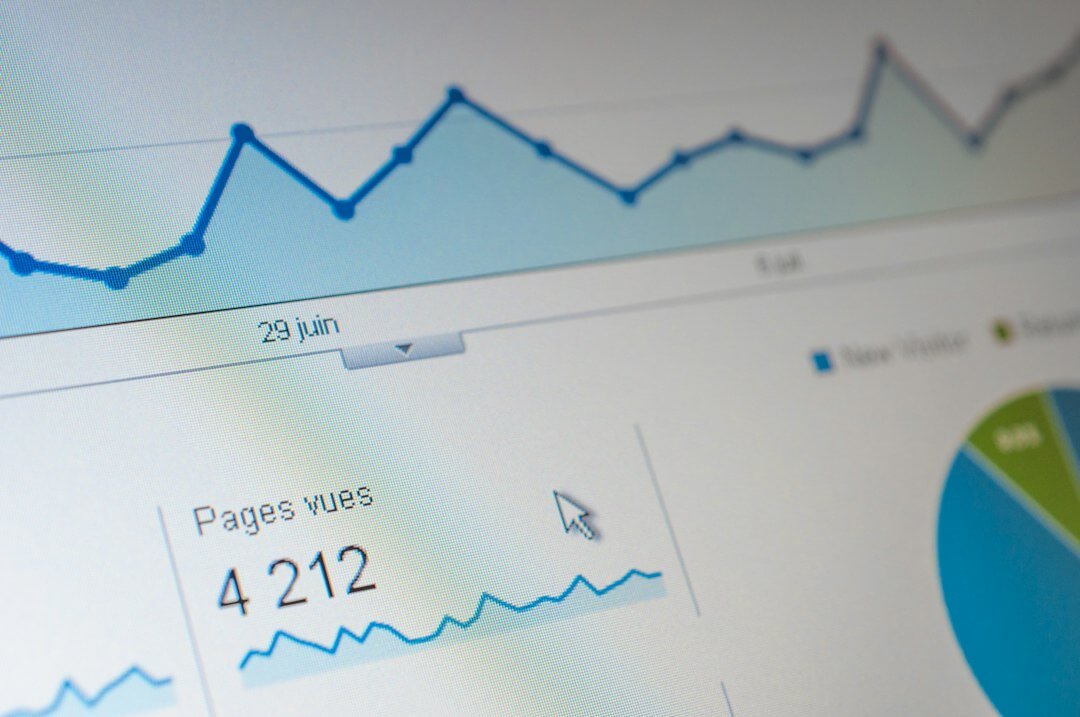
Quick answer: The best service for real website traffic sends actual human visitors, gives you clear targeting and tracking options, and is honest about what paid traffic can and cannot do. In best services for real website traffic 2026, the safest picks are legitimate ways to buy website traffic that support measurement, gradual delivery, and transparent traffic sources. For many buyers, SimpleTraffic fits that standard because it focuses on real visitor delivery, targeting controls, and easy tracking for cold-traffic testing and promotion.
Can I buy real website traffic?
Yes, you can buy real website traffic, but the useful question is whether the visitors are human, relevant enough for your goal, and measurable after they land.
That matters because paid traffic can help with testing, promotion, and early demand validation, but it does not replace product fit, trust, or long-term audience building.
A legitimate provider should be able to explain:
- Where visitors come from: link shorteners, parked domains, redirects, publisher networks, or other disclosed sources
- How delivery works: gradual pacing, country targeting, device options, or URL rotation
- How you track results: UTMs, analytics tags, short links, and conversion goals
- What it will not do: guarantee SEO rankings, sales, or brand loyalty
This is where many buyers get confused by inflated promises in buy real website traffic reviews. If a provider talks more about huge numbers than traffic quality, that is usually a warning sign.
What is the best way to get traffic to my website?

The best way to get traffic to your website is to combine long-term channels like SEO and email with faster channels like measured paid traffic. That balance gives you both speed and staying power.
Organic traffic still matters because it compounds over time. Research from Google Search Central makes it clear that helpful, people-first content remains central to sustainable visibility.
At the same time, waiting only for organic growth can be slow if you need fast data. Paid human traffic is useful when you want to test a landing page, compare offers, or promote a page now rather than months from now.
Here is a simple way to think about channel choice:
GoalBest channel mixWhat to watchFast promotionPaid human traffic + UTMsBounce rate, engagement, conversionsLong-term demandSEO + email + referral trafficRankings, returning users, assisted conversionsFunnel testingCold traffic + focused landing pageOpt-in rate, cost per actionBrand trustOrganic content + social proof + emailTime on page, repeat visits, branded search
If you want the short version, the best service for real website traffic is not the whole strategy. It is one part of a smarter traffic mix.
We covered the broader channel question in our guide to the best website traffic source, especially for businesses trying to balance fast testing with durable growth.
Where can I buy real website traffic?

You can buy real website traffic from specialized traffic providers, but not all of them are equally transparent. Some rely on vague claims, while others explain their sources, controls, and tracking expectations clearly.
The strongest options in best places to buy real website traffic usually share a few traits:
- Real human visitors: not bot traffic, click farms, or hidden automated scripts
- Targeting controls: country, device, niche relevance, or URL rotation when appropriate
- Tracking support: UTMs, analytics compatibility, and short-link workflows
- Buyer protection: flexible cancelation, refunds, or clear service terms
- Realistic positioning: they present traffic as a testing and promotion channel, not a magic growth shortcut
SimpleTraffic stands out here because it is built around redirected human traffic from a large partner network, with options for targeting preferences, URL rotation, and straightforward campaign setup.
That setup is especially practical for people who want best platforms to buy real website traffic without managing full ad campaigns or waiting for SEO to kick in.
How do you tell if a traffic provider is legitimate?
A legitimate provider gives you enough information to judge traffic quality before and after you buy. If the offer is all volume and no detail, assume the risk is higher.
Start with a checklist like this:
- Check traffic source clarity and make sure the provider explains how visitors are generated.
- Ask about pacing because gradual delivery usually looks more natural and gives you cleaner test data.
- Verify analytics compatibility so you can track sessions, engagement, and conversions with tools like Bitly or your analytics setup.
- Review refund terms because flexible cancelation and a money-back path reduce risk.
- Test with a small campaign before you spend heavily.
Buyer caution matters even more now because AI-generated sites and synthetic traffic are getting harder to spot. According to the Imperva 2024 Bad Bot Report, automated traffic continues to represent a major share of internet traffic, which is exactly why transparency matters when evaluating legitimate website traffic providers 2026.
If your main goal is conversion testing, use one page, one CTA, and one traffic source first. We broke that process down in our under-$500 guide to testing a funnel with cold traffic cheaply.
Is paid website traffic sustainable in the AI era?

It can be sustainable if you treat it as a tool for testing, promotion, and discovery rather than a substitute for trust. That distinction is the big issue many comparisons miss.
AI is changing how people discover websites. More answers happen inside search results, AI summaries, and chat interfaces, which means websites often need stronger brand signals and better post-click experience to win attention.
Paid human traffic still has a role because it helps you:
- Pressure-test pages before investing deeply in SEO or outreach
- Validate offers quickly with cold audiences
- Promote time-sensitive pages when waiting is expensive
- Gather behavioral data that improves future organic and paid campaigns
What it cannot do is manufacture credibility. If the page is weak, slow, unclear, or misleading, more visitors just reveal the problem faster.
The sustainable model in best services for real website traffic 2026 is hybrid. Use paid traffic to learn quickly, then use those lessons to improve organic content, email capture, retargeting, and conversion flow.
What are the ethical risks of buying website traffic?

The main ethical risk is misusing bought traffic as a vanity signal instead of a testing input. If you buy visitors to create a false impression of popularity, you risk damaging trust with partners, clients, or advertisers.
There is also a user-experience issue. Sending cold visitors to thin pages, misleading headlines, or offers that do not match intent wastes attention and can hurt brand perception over time.
A practical ethical standard looks like this:
- Use paid traffic for learning: test landing pages, messages, and offers honestly
- Match page and visitor intent: do not bait people into irrelevant pages
- Track quality, not just volume: focus on engagement and conversions
- Avoid false claims: never present bought traffic as proof of market demand by itself
- Protect user trust: make the page useful even for first-time cold visitors
This matters more in 2026 because AI systems increasingly evaluate patterns of trust, consistency, and relevance across the web. A business that depends on traffic spikes without clear value may see weaker long-term outcomes, even if the short-term visit count looks good.
What should you measure after buying real website traffic?

Raw visit count is not enough. You need to know whether the traffic helped you learn something or moved a business goal forward.
Start with these metrics:
- Sessions and users: confirm delivery actually happened
- Engagement rate: see whether visitors interact or leave immediately
- Time on page: useful for content and landing page relevance
- Conversion rate: the clearest signal if you have a specific goal
- Cost per conversion: better than cost per visit for decision-making
- Source tagging: use UTMs so results stay attributable
If your visits arrive through redirects or forwarding, attribution can get messy. Our guide on what actually gets tracked in Google Analytics explains why some sessions appear as direct or unassigned even when the traffic is real.
For many users, the best first test is simple: send targeted traffic to one page, define one conversion event, and compare results after 500 to 1,000 visits. That tells you far more than watching a traffic counter go up.
What to do next
If you are comparing providers, start small and judge them on source transparency, targeting, pacing, and tracking support rather than raw visitor promises. If you want a practical option for real human traffic testing, SimpleTraffic is worth a look because it keeps setup simple and gives you room to measure what the visits actually do.
Frequently Asked Questions
What is the best website to check website traffic?
For your own site, your analytics platform is usually the best place to check website traffic because it shows sessions, sources, and conversions directly. For outside estimates, third-party tools can help, but they are still estimates rather than your ground truth.
What is the best website traffic software?
The best website traffic software depends on whether you want measurement or visitor delivery. For measurement, analytics tools are essential, while for paid visitor delivery, services like SimpleTraffic are more relevant if your goal is promotion or cold-traffic testing.
Is there a way to monitor website traffic?
Yes, you can monitor website traffic with analytics tools, UTM parameters, and short-link tracking. The most useful setup tracks not just visits but also engagement, conversions, and source quality.
How to get 1000 website visitors per day?
Getting 1,000 visitors per day usually requires a mix of channels rather than one tactic. SEO, email, partnerships, social distribution, and measured paid traffic can all contribute, but the right mix depends on your niche and how quickly you need results.
Where can I find the cheapest website traffic for my website?
Cheap traffic is easy to find, but useful cheap traffic is harder to find. Look for providers that explain their sources, support tracking, and avoid bot-style promises, because low price alone can cost more if the traffic is poor quality.
Is SEO still worth it in 2026?
Yes, SEO is still worth it in 2026 because it builds discoverability and trust over time. What has changed is that SEO now works best alongside other channels, including email, AI-friendly content structure, and selective paid testing.
What makes a paid traffic service safer to use?
A safer service uses real human visitors, gives clear information about traffic sources, supports tracking, and offers flexible cancelation or refund terms. It should also avoid unrealistic claims about rankings, revenue, or instant brand growth.
Does buying website traffic hurt SEO?
Buying website traffic does not automatically hurt SEO, but it also does not replace SEO. Problems usually come from low-quality or deceptive traffic sources, poor user experience, or using bought visits as a substitute for improving the site itself.