
Website Traffic Trends in 2026: What’s Changing and How to Plan Smarter
Quick answer: Website traffic is the flow of visitors to your site from sources like search, direct, referral, social, video, email, and paid campaigns. In 2026, understanding website traffic means more than counting visits because how to check website traffic now depends on privacy-safe analytics, source quality, device behavior, and conversion impact. For businesses that want quick cold-traffic testing alongside long-term channels, SimpleTraffic can be part of the mix when results are tracked carefully.
What is website traffic?

Website traffic is the number and pattern of people visiting a website over a given period. It usually gets measured through sessions, users, pageviews, traffic sources, and actions taken on the site.
That basic definition still matters, but the useful version is broader. A practical website traffic analytics definition includes where visitors came from, what device they used, how they behaved, and whether they converted.
A simple way to think about it is this:
- Volume tells you how many visits happened
- Source tells you where visitors came from
- Quality tells you whether those visits meant anything
- Outcome tells you whether traffic helped the business
In other words, high traffic is not automatically good traffic. A smaller stream of relevant visitors often beats a larger stream of low-intent visits.
Is website traffic declining?

In some channels, yes. Many sites are seeing softer click-through rates from traditional search because AI summaries, zero-click results, and richer SERP features answer more questions before the click.
That does not mean all website traffic is shrinking. It means traffic is being redistributed across AI referrals, video platforms, communities, direct visits, email, and branded search.
According to Statista, mobile internet traffic continues to account for the majority of global web traffic, which changes how sites earn and keep visits. Research from Pew Research Center also shows ongoing shifts in how people discover information across platforms, especially on mobile and video-heavy channels.
A few reasons traffic can appear to decline even when demand is still there:
- Zero-click search reduces visits for simple informational queries
- Privacy changes make attribution less complete than it used to be
- Device shifts push more visits into app-like experiences or in-platform browsing
- Content saturation makes generic pages less competitive
The better question is not whether traffic is declining overall. It is whether your current measurement setup can still see the traffic paths that matter.
Can I see the traffic of a website?
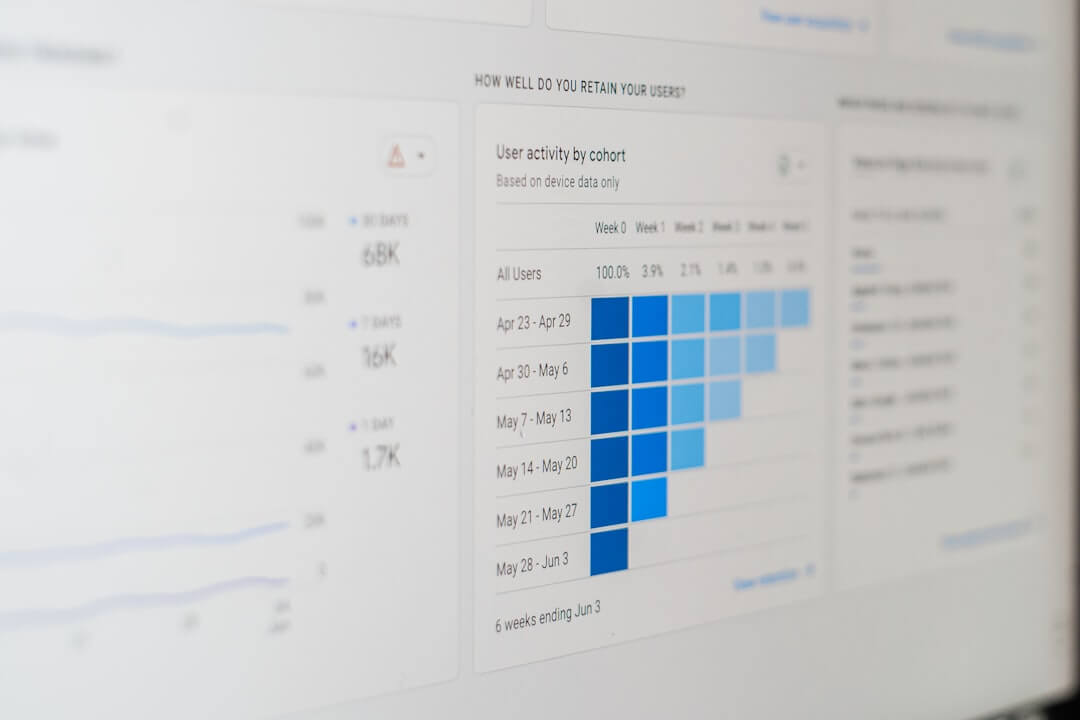
Yes, but with limits. You can see your own site traffic directly in analytics tools, while other websites can usually only be estimated through third-party data.
For your own site, tools like Google Analytics and Google Search Console show actual first-party data. For other sites, tools in the best website traffic analytics tools 2026 category estimate traffic using clickstream panels, ranking data, ad signals, and modeled behavior.
That distinction matters because estimated traffic is useful for comparison, not absolute truth. It can help you benchmark competitors, spot seasonality, and identify likely traffic sources, but it will not perfectly match internal numbers.
If you are trying to how to check website traffic accurately, split the task into two parts:
- Own website: use first-party analytics, UTMs, and conversion tracking
- Other websites: use estimation tools for directional research only
This is also where privacy-first analytics is changing the workflow. As third-party cookies lose importance, more businesses are leaning on server-side tagging, consent-aware analytics, and first-party event tracking.
How to get 1000 website visitors per day?

Getting to 1,000 daily visitors usually takes a channel mix, not one trick. The fastest path depends on whether you want raw reach, qualified traffic, or traffic that converts.
For most small businesses, the most reliable approach combines publishable content, distribution, and measured paid testing. If you are looking into how to increase website traffic or how to increase website traffic 2026, use a plan that spreads risk across sources.
Here is a practical framework:
- Choose 3-5 core pages that solve a clear problem or support one offer.
- Improve search visibility with specific titles, clean structure, and answer-first copy.
- Distribute consistently through email, social posts, communities, and short-form video.
- Track every campaign with UTMs so you can compare source quality.
- Test cold traffic on focused pages before sending traffic site-wide.
- Double down on winners based on engagement and conversion data.
For faster testing, services like SimpleTraffic can help send real human visitors to a landing page or rotating URLs, especially when the goal is to test cold traffic behavior rather than wait for SEO gains. That works best when you pair traffic with Bitly, Universal Analytics setups, or clear UTM naming.
If you want more tactical ideas, we covered practical distribution methods in our guide to getting real visitors to your website fast.
What website traffic trends matter most in 2026?

Several shifts are changing how traffic should be measured and planned. The big story is that traffic is becoming more fragmented, less perfectly attributable, and more dependent on context.
The most important website traffic statistics trends 2026 to watch are these:
- AI-driven discovery is growing: More users now find answers through AI assistants that may cite a source without sending a traditional click.
- Mobile still leads behavior: Mobile drives most browsing volume, but desktop often stays stronger for complex B2B or high-consideration conversions.
- Video drives more assisted traffic: YouTube, Shorts, Reels, and embedded video often support branded search and direct visits rather than obvious last-click attribution.
- Voice and conversational search are changing query shape: More searches are longer, question-based, and local or task-oriented.
- Privacy-first analytics is becoming standard: Businesses need first-party measurement because old attribution signals are weaker.
- Web3 and decentralized experiences remain niche but trackability is messy: Wallet-based or decentralized journeys can create gaps in standard analytics flows.
This is why website traffic statistics and trends 2026 should be read as planning signals, not just headline numbers. You are not only watching volumes by channel, but also how trackable and useful those visits are.
A simple comparison helps show what is changing:
Traffic areaWhat is changing in 2026What to doSearch trafficMore zero-click behavior and AI summariesTarget deeper questions and branded demandMobile trafficHigh volume, shorter attention windowsImprove speed, layout, and first-screen clarityDesktop trafficLower share, often higher intentOptimize demo, form, and checkout flowsVideo trafficMore assisted conversionsTrack view-to-visit paths with UTMs and lift testsPrivacy-safe analyticsLess complete attributionBuild around first-party events and consent-aware trackingAI referral trafficHarder to classify cleanlyWatch landing pages, direct spikes, and branded search lift
How should you measure website traffic now?
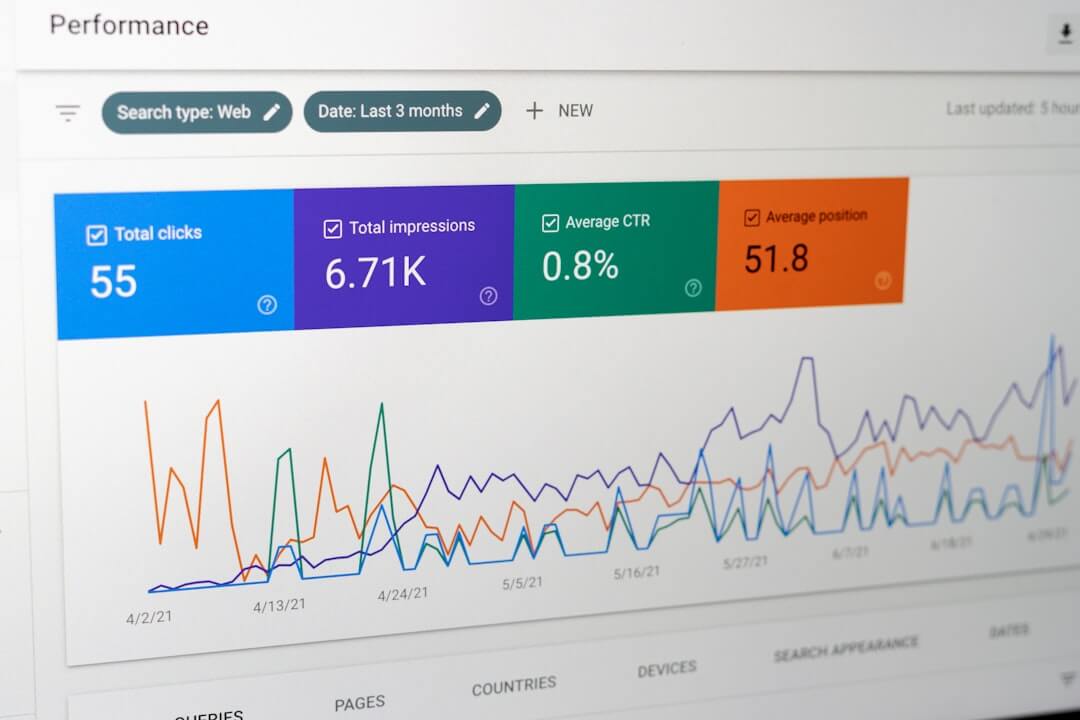
A modern traffic review should connect acquisition, behavior, and outcomes. If you only look at sessions, you will miss what matters.
Start with a short scorecard that covers these areas:
- Users and sessions: basic volume and trends
- Channel mix: organic, direct, referral, social, email, paid, video, AI referral when visible
- Engagement: bounce rate equivalent metrics, engaged sessions, time on page, pages per session
- Device split: mobile versus desktop performance
- Conversion actions: signups, purchases, leads, downloads, clicks
- Attribution quality: how much is direct, unassigned, or missing source data
That last point matters more than many teams realize. As we explained in our post on forwarded traffic in Google Analytics, redirected and forwarded visits often count, but their source data can break.
You should also start using best tools to check website traffic 2026 based on the question you are asking. GA4 is useful for first-party behavior, Search Console is useful for search visibility, and heatmapping or session tools can help explain why traffic does or does not convert.
If your business runs paid traffic tests, segment them clearly. Cold traffic from display, promoted content, or a service like SimpleTraffic should never be mixed into one undifferentiated bucket if you want useful learning.
What to do next
Pick one key page on your site and review its traffic by source, device, and conversion rate over the last 90 days. Then decide whether you need better measurement, stronger distribution, or a faster testing channel like SimpleTraffic to learn what actually moves qualified traffic.
Frequently Asked Questions
Can I check the traffic of a website?
Yes, but it depends on whose website you mean. You can measure your own site directly with analytics tools, while third-party website traffic is usually estimated through external platforms and should be treated as directional.
Can I make money from website traffic?
Yes, but traffic only makes money when it connects to a business model like ads, affiliate offers, lead generation, subscriptions, or product sales. Raw visits alone are not valuable unless they turn into measurable outcomes.
How do I see the traffic of a website?
For your own site, use Google Analytics, Search Console, and UTM-tagged campaigns to track real visits and behavior. For another site, use estimation tools to get a rough sense of its size, sources, and trends.
What is the difference between traffic and visitors?
Traffic is the broader concept covering all visits and visit patterns to a website. Visitors usually refers to individual users, while traffic can include multiple sessions from the same person.
Why does direct traffic often look too high?
Direct traffic often includes visits where referral data was lost, stripped, or never passed correctly. That can happen with redirects, forwarded links, some apps, private browsing contexts, and poor campaign tagging.
Is paid traffic useful for testing?
Yes, if it is real human traffic and you measure it properly. Services like SimpleTraffic can be useful for landing page tests, cold audience behavior checks, and multi-URL promotion, but the results should be judged by engagement and conversion data rather than visits alone.
What are the most important website traffic metrics?
The most useful metrics are users, sessions, traffic sources, engaged sessions, conversion rate, and revenue or lead value by channel. Device split and attribution quality also matter because they help explain why results change.
Does mobile traffic convert worse than desktop?
Not always. Mobile often converts worse on complex forms or high-friction checkouts, but it can outperform desktop for local intent, quick actions, and simple offers if the page is built well.
How often should I review website traffic?
Weekly reviews are usually enough for trend monitoring, while monthly reviews are better for strategic decisions. If you are actively testing campaigns or buying traffic, check performance much more often during the test window.
Are AI tools changing website traffic strategy?
Yes. AI tools are changing discovery patterns, reducing some search clicks, and creating new referral paths that are harder to classify. That means businesses need clearer answer-first content, stronger branded demand, and better first-party measurement.