
Website Traffic in 2026: What Matters Now, What’s Changing, and How to Plan Around It

Quick answer: Website traffic is the flow of visitors to your site from sources like search, direct, referral, social, email, video, and paid campaigns. To understand website traffic properly, you need to know both what is website traffic and how to check website traffic by source, engagement, device, and conversions. In 2026, the biggest shift is that website traffic strategy depends more on privacy-safe measurement, AI-assisted forecasting, and channel quality than raw visit counts alone.
What is website traffic?

At its simplest, website traffic means the number and pattern of visits your site receives over time. It includes where visitors come from, what they do on your pages, and whether those visits lead to useful actions.
A traffic report usually includes a few core metrics:
- Users: individual visitors in a given period
- Sessions: separate visits, including repeat visits from the same user
- Pageviews: total pages loaded
- Engagement: time on site, pages per session, or engaged sessions
- Conversions: actions like signups, purchases, bookings, or downloads
That distinction matters because high traffic alone can be misleading. A smaller volume of qualified visitors often creates better business results than a large burst of untargeted clicks.
How do I get website traffic?

Most sites grow traffic through a mix of organic search, referral links, email, social distribution, partnerships, and paid promotion. The right mix depends on your timeline, budget, and whether you need long-term demand or fast testing.
If your goal is steady growth, focus on channels that compound over time. If your goal is quick validation, use measured short-term traffic sources while you build those longer channels.
A practical mix often looks like this:
- Search content: publish pages that answer clear questions and match buying intent
- Email distribution: send useful content and offers to an owned audience
- Referral partnerships: earn mentions from relevant sites, newsletters, and communities
- Video and multimedia: use YouTube, short-form clips, and embedded video to create additional discovery paths
- Paid testing: run small campaigns to learn which offers and pages convert before scaling
For fast cold-traffic testing, services like SimpleTraffic can help send real human visitors to one or more URLs without needing a full ad setup. That works best when you tag traffic with UTMs and judge results by engagement or conversion data, not visits alone.
We covered the tactical side of growth in more detail in this guide on how to get more website traffic. For readers who need faster validation, this breakdown of how to get real visitors to your website fast is a useful companion.
Can I see the traffic of a website?
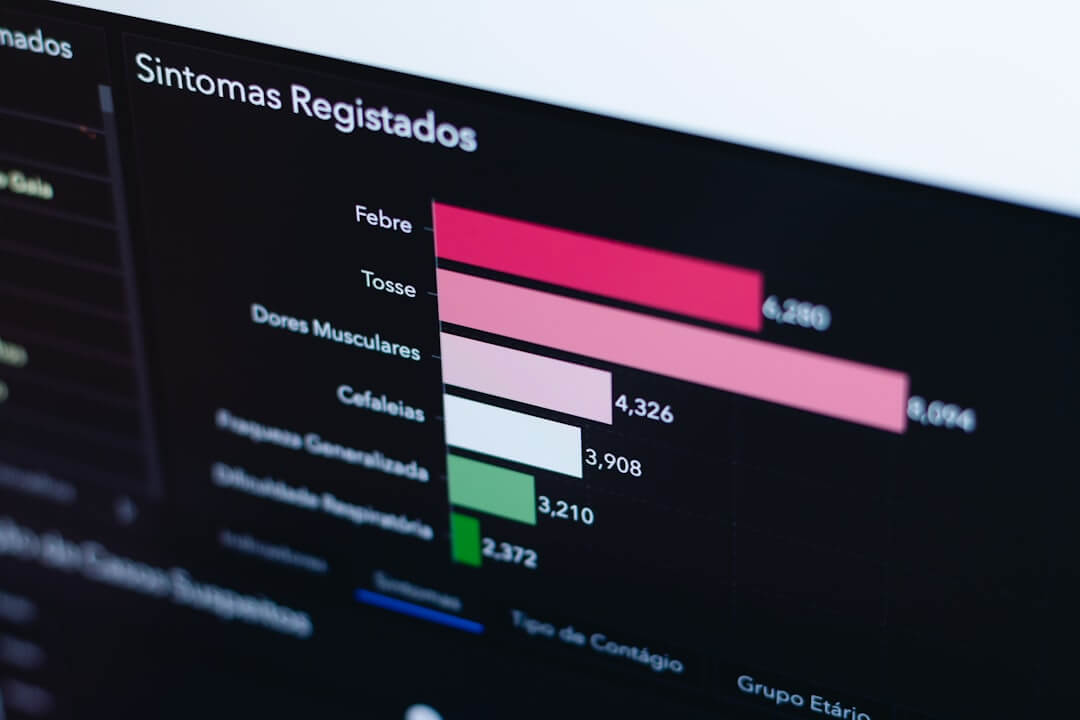
Yes, but only as an estimate unless you own the site or have direct access to its analytics. Third-party tools can model traffic using clickstream data, rankings, and panel data, but they cannot see the full picture the way first-party analytics can.
That is why competitor traffic estimates should be treated as directional, not exact. They are useful for trend spotting, channel comparison, and benchmarking content opportunities.
Here is a simple way to think about visibility levels:
ScenarioWhat you can seeReliabilityYour own analytics propertyUsers, sessions, sources, conversions, devicesHighShared analytics access from a partnerMost first-party metricsHighThird-party traffic estimation toolEstimated visits, top pages, channel mixMediumPublic search results onlyRankings and visible content presenceLow to medium
When people ask for the best tools to check website traffic 2026, the answer depends on whether they mean their own site or someone else's. For your own property, Google Analytics and Search Console remain foundational because they measure first-party behavior directly.
How to check website traffic for free?
You can check your own site traffic for free with analytics and webmaster tools. The most common setup is GA4 for on-site behavior and Google Search Console for search performance.
If you are learning how to check website traffic, start with these reports first:
- Traffic acquisition to see where sessions come from.
- Landing page reports to see which pages attract visits.
- Device category to compare mobile and desktop behavior.
- Conversion reports to connect visits with outcomes.
- Search performance in Search Console to review clicks, impressions, and queries.
According to Google Search Central documentation, Search Console is designed to show how a site performs in Google Search, including clicks and impressions. Meanwhile, the GA4 help documentation explains how event-based analytics tracks user behavior after someone lands on your site.
If you use redirected or forwarded visitors, keep your UTM structure clean. That is especially important when comparing organic, referral, and paid human traffic side by side.
What is good traffic for a website?

Good traffic is traffic that matches your goal and produces useful behavior. A local service business may only need a few hundred qualified monthly visits, while a content publisher may need tens of thousands to hit revenue targets.
The better question is whether your traffic is qualified enough to move key metrics. That includes lead rate, add-to-cart rate, demo bookings, subscriptions, and assisted conversions.
A practical quality check includes:
- Source fit: does the traffic come from places your audience actually uses?
- Page fit: does the landing page match the visitor's intent?
- Engagement fit: do visitors scroll, click, or continue to a second page?
- Conversion fit: do they complete a meaningful action?
- Cost fit: if traffic is paid, does it produce acceptable ROI or useful test data?
This is where website traffic analytics definition becomes more useful than raw traffic reporting. Analytics is not just counting visits, but understanding which visits are worth keeping and scaling.
Is website traffic declining?
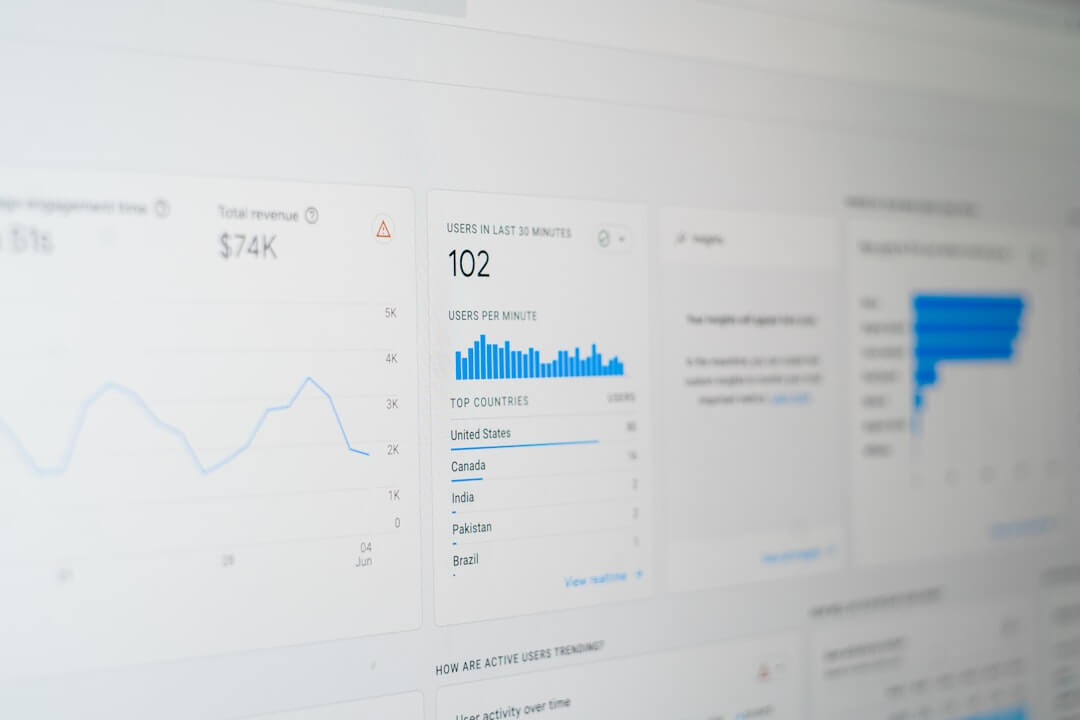
In many sectors, some traditional traffic sources are flattening or declining, but total opportunity is not disappearing. The mix is changing because AI answers, zero-click search behavior, privacy changes, and shifting device habits affect how people discover sites.
Research from Pew Research Center has repeatedly shown that platform behavior and device use keep changing over time, which affects where web visits originate. At the same time, publishers and businesses are adapting by diversifying into video, email, communities, and direct audience channels.
The most important website traffic statistics trends 2026 to watch are these:
- AI-assisted discovery: more users get summaries before clicking through
- Privacy-first analytics: cookie loss makes attribution less tidy
- Mobile-first behavior: mobile often drives more visits, but desktop may still convert better in some categories
- Video-led discovery: YouTube, embedded video, and short-form clips increasingly start the journey
- Forecasting tools: teams are using modeled data to predict traffic changes earlier
This is also why website traffic statistics and trends 2025 still matter as a baseline. Comparing 2025 and 2026 helps you see whether a drop is a real problem or just a channel shift.
How should you plan for website traffic in 2026?

The next step is not chasing every channel. It is building a traffic plan that combines reliable measurement, realistic benchmarks, and one clear testing process.
A sensible 2026 plan usually includes:
- Define your goal before you chase volume.
- Segment by source so search, referral, direct, video, and paid traffic are not blended together.
- Compare by device because mobile and desktop often behave differently.
- Track conversions first so growth is tied to outcomes.
- Use forecasting carefully to spot likely dips and growth windows.
- Test cold traffic deliberately when you need fast feedback on a page or funnel.
For example, a business launching a new landing page may need quick data before SEO has time to work. In that case, SimpleTraffic can be a practical option for sending real visitors from redirected sources while you test page clarity, offer strength, and conversion paths.
That does not replace long-term channels. It gives you another measured input while you build them.
What to do next
Pick one key page on your site and review its traffic by source, device, and conversion rate over the last 30 days. If you need faster feedback, run a small tagged traffic test alongside your organic and referral efforts so you can compare quality with real numbers.
Frequently Asked Questions
What is website traffic called?
Website traffic is usually called site traffic, web traffic, or website visits. In analytics tools, it is often broken into users, sessions, pageviews, and acquisition sources.
How can I check traffic for a website?
If it is your site, use analytics tools such as GA4 and Search Console to see sessions, sources, and conversions. If it is someone else's site, you can only use third-party estimates unless the owner shares direct access.
Can I check the traffic of a website?
Yes, but the accuracy depends on your access level. First-party analytics is much more reliable than third-party estimation tools.
How to get 1000 website visitors per day?
Reaching 1,000 daily visitors usually requires a combination of strong search visibility, repeat distribution, referral links, and conversion-focused pages. Some sites also use paid traffic tests to accelerate learning, but those visits should be tracked carefully and judged by outcomes.
What counts as a website visitor?
A website visitor is a person who lands on your site and loads a tracked page. Depending on the analytics platform, the same person may generate more than one session over time.
Why does my website traffic drop suddenly?
Sudden drops can come from tracking errors, search ranking changes, seasonality, site outages, or changes in user behavior. Check analytics implementation first, then compare source-level data to see whether the problem is isolated or site-wide.
Is paid traffic useful for website growth?
It can be useful when it helps you test landing pages, offers, or audience response faster than organic channels alone. The key is to measure engagement and conversions, not assume that more visits automatically mean growth.
Does mobile traffic matter more than desktop traffic now?
For many sites, mobile drives a larger share of visits, but desktop can still produce stronger conversion rates in B2B, software, and higher-consideration purchases. You need to compare both by source and outcome, not by volume alone.
What should I track besides visits?
Track landing pages, traffic sources, engaged sessions, conversions, assisted conversions, and device behavior. Those metrics tell you whether your traffic is actually helping the business.