
Website Traffic in 2026: What It Means, How to Check It, and Which Trends Deserve Your Attention

Quick answer: Website traffic is the flow of visitors to your site from sources like search, direct, referral, social, email, video, and paid campaigns. If you want to understand website traffic properly, start with how to check website traffic, then look at sources, engagement, conversions, and newer shifts like privacy-first measurement and website traffic statistics and trends 2026. For faster cold-traffic testing, services like SimpleTraffic can help send real human visitors to a page, but the useful measure is still what those visitors do next.
What is website traffic?
Website traffic is the total flow of people visiting a website over a given period. In analytics terms, it usually includes metrics such as users, sessions, pageviews, engagement, and conversions.
A simple way to think about it is this: traffic tells you how many people arrive, while performance tells you whether those visits actually matter. That distinction is where many reports go wrong.
Here are the core terms worth knowing:
- Users: individual visitors counted within your analytics platform
- Sessions: visits that may include multiple pageviews and actions
- Pageviews: the number of pages loaded or viewed
- Engagement: signs that visitors stayed, scrolled, clicked, or interacted
- Conversions: useful actions such as purchases, leads, signups, or downloads
If you want a deeper basics refresher, we covered the foundations in our guide to what website traffic is and what actually matters in 2026.
How do you find your website traffic?

The most common answer to how to check website traffic is to use an analytics platform such as Google Analytics. For search visibility, pair it with Google Search Console, then compare what each tool is actually measuring.
Google Analytics shows on-site behavior after someone lands on your pages. Search Console focuses on how people found you through Google Search, including impressions, clicks, and average position.
A practical setup looks like this:
- Install analytics correctly on every important page of your site.
- Verify traffic sources by checking acquisition reports, not just total sessions.
- Tag campaigns with UTMs so email, partnerships, and paid tests do not all get lumped into direct traffic.
- Check conversion events so you can connect visits to outcomes.
- Segment by device and page to see whether mobile, desktop, or specific landing pages behave differently.
If redirected or forwarded visits are part of your setup, attribution can get messy. We explained that in more detail in our article on how forwarded traffic appears in Google Analytics.
What is the traffic of a website?
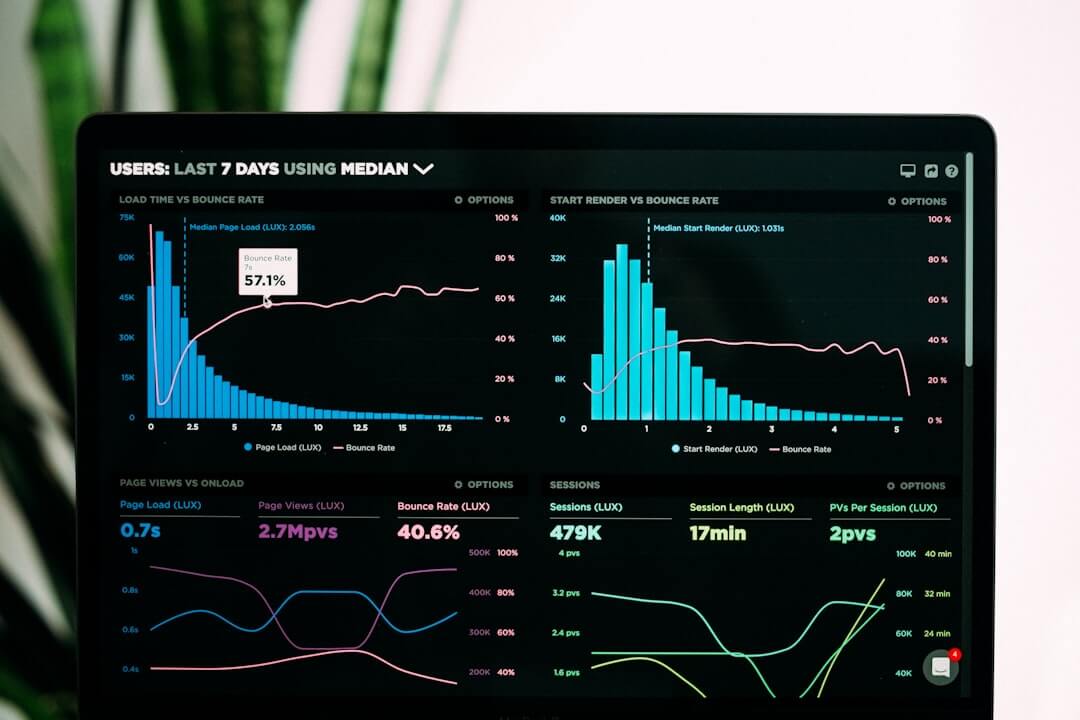
When people ask this, they usually mean one of two things: total visitor volume or the mix of sources sending those visitors. Both matter, because 10,000 low-intent visits and 1,000 high-intent visits are not the same business result.
Most website traffic falls into a few source groups:
- Organic search: visits from search engines
- Direct: people who type the URL, use bookmarks, or arrive with missing referrer data
- Referral: clicks from other websites
- Social: visits from social platforms
- Email: traffic from newsletters and campaigns
- Paid: traffic from ads or paid promotion channels
- Video and multimedia: visits from YouTube, embedded video, podcasts, and visual discovery platforms
What counts as the “best” traffic depends on the goal. According to a 2024 HubSpot State of Marketing report, marketers continue to prioritise content, SEO, and video because they support both discovery and conversion, while short-form video remains one of the strongest attention drivers.
That is why website traffic analytics definition matters more than raw numbers alone. You are not just measuring visits, you are measuring the relationship between source, intent, and action.
What is the most popular website traffic?
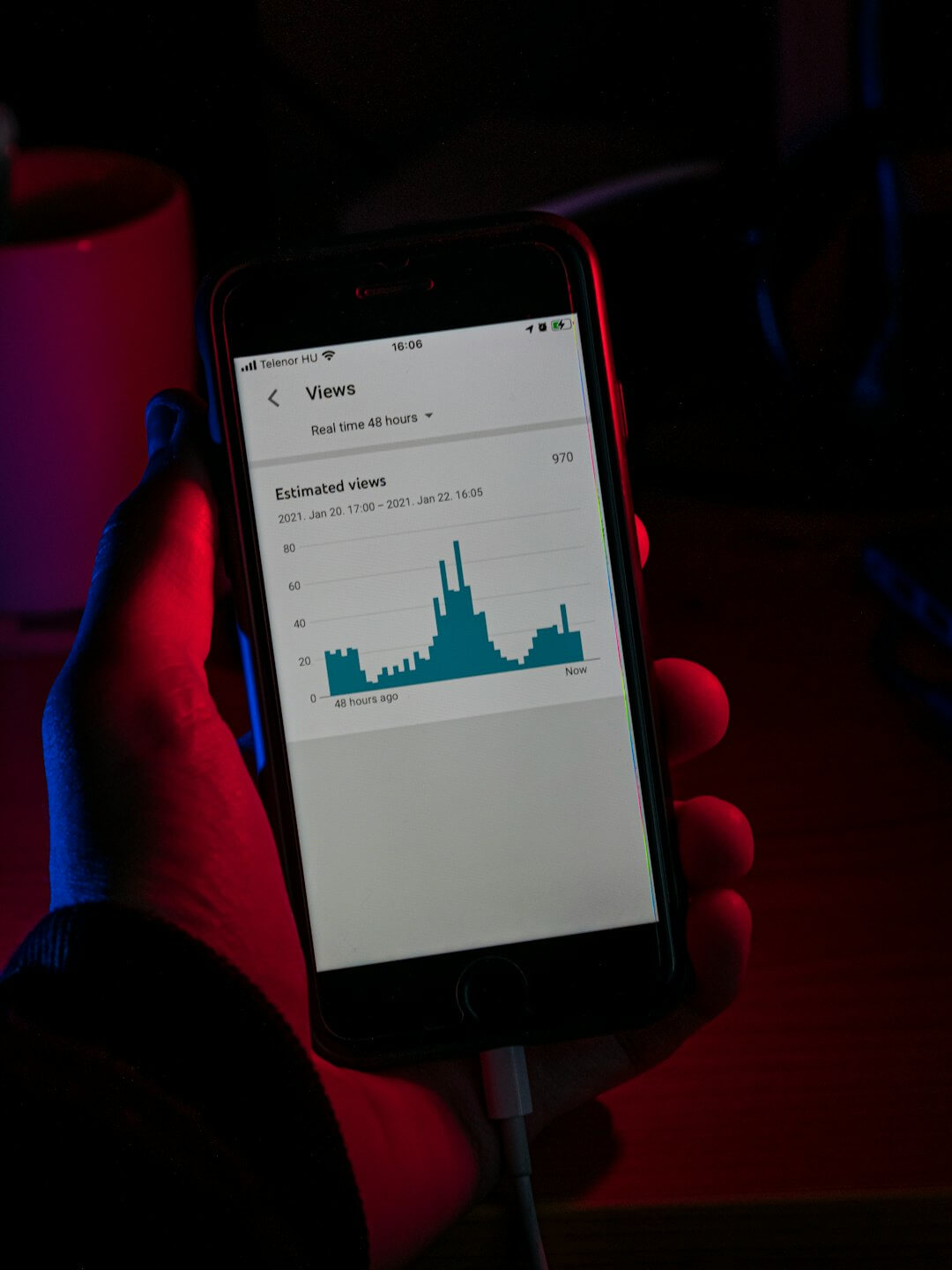
For many sites, organic search and direct traffic remain the biggest categories, but that is changing by industry and device. Media brands, creators, and ecommerce businesses often see a larger share from video, social discovery, and mobile-first browsing than they did a few years ago.
Recent usage patterns also show why broad assumptions fail. According to Statcounter's global market share data, mobile continues to account for the majority of web usage worldwide, which means traffic quality and conversion paths must be reviewed separately for mobile and desktop.
In 2026, the more useful question is not just which source is biggest. It is which source is becoming more influential for your audience.
A few trends stand out:
- Mobile-first behavior keeps shaping discovery, especially for local, impulse, and video-led journeys
- Video traffic sources are becoming stronger top-of-funnel drivers
- AI referral traffic is creating new discovery paths that may not look like classic organic visits
- Voice-assisted search behavior often produces fewer clicks but stronger intent when clicks do happen
This is where website traffic statistics and trends 2026 become genuinely useful. They help you plan around shifting behavior instead of reporting on last quarter after the fact.
How do I get website traffic?

Getting traffic is still about matching a source to a page and a goal. What changed is that traffic growth now depends on a broader mix of channels, clearer tracking, and better forecasting.
For most sites, the strongest approach combines long-term channels with short feedback loops. That means SEO, email, and content on one side, then measured tests through partnerships, video, communities, or paid visitor campaigns on the other.
A practical traffic plan includes:
- Search-ready pages: publish pages built around clear intent and useful answers
- Distribution beyond search: repurpose content into email, video, social, and community posts
- Privacy-first analytics: rely less on third-party cookies and more on first-party data, UTMs, and server-side thinking where relevant
- Testing fast: send controlled traffic to key pages and review engagement before scaling
- Benchmarking by segment: compare branded vs non-branded, mobile vs desktop, and new vs returning visitors
If your goal is fast testing rather than waiting months for rankings, SimpleTraffic fits as a practical option for sending real website visitors to a tracked page. It is especially useful when you want to test cold traffic, compare multiple landing pages, or rotate URLs without setting up a full ad campaign.
For a broader growth playbook, our post on increase website traffic with practical methods covers channel selection in more depth.
How is website traffic changing in 2026?

The biggest shift is that measurement is getting harder at the same time strategy is getting more predictive. Cookies are less reliable, referral paths are more fragmented, and AI tools are helping teams forecast demand earlier.
That changes how smart teams plan. Instead of waiting for monthly reports, they are using trend signals, content velocity, and source patterns to estimate where future visits may come from.
Here are the changes worth watching most:
TrendWhat is changingWhy it mattersAI-driven forecastingTeams use prediction tools to estimate traffic by topic, source, and seasonPlanning gets less reactive and content bets become easier to prioritisePrivacy-first analyticsLess reliance on third-party cookies and more focus on first-party dataAttribution gets cleaner in some areas but less complete in othersVoice and zero-click discoveryMore questions are answered before a site click happensPages must earn fewer but higher-intent visitsWeb3 and decentralised channelsNiche communities are forming around tokenised or decentralised ecosystemsReferral patterns may look different from classic social or searchMobile and video growthMore discovery begins in short-form, visual, or app-led environmentsTraffic strategy must account for assisted conversions, not just last-click visits
This is also why best website traffic analysis tools 2026 is becoming a different question from a year ago. The best tool is no longer just the one with the biggest dashboard, but the one that helps you connect incomplete data to better decisions.
Some businesses will still use GA4 for broad reporting, while others will add heatmaps, first-party event tracking, or reporting layers for clearer planning. If you run quick landing page tests or cold-traffic campaigns, tracking discipline matters more than adding another tool.
What to do next
Pick one page on your site that matters commercially, then review its traffic sources, device split, and conversion rate before you try to grow everything at once. If you need faster feedback, run a small tracked traffic test and compare visit quality rather than just counting sessions, and use SimpleTraffic if real human cold-traffic testing fits your plan.
Frequently Asked Questions
How can I view website traffic?
You can view website traffic with an analytics tool such as Google Analytics, which shows users, sessions, traffic sources, and conversions. Google Search Console is also useful because it shows how people found you through Google Search before they landed on your site.
What website traffic checker is the best?
The best checker depends on what you need to know. Google Analytics is strong for on-site behavior, while Search Console helps with search visibility, and many teams use both together.
Which website has the highest traffic?
That changes by region and time period, but Google, YouTube, and major social platforms usually rank near the top globally. Traffic ranking services estimate this using panels, clickstream data, and aggregated usage signals rather than exact server logs.
What is traffic for a website?
Traffic for a website means the visitors who arrive on it from channels like search, direct, referral, social, email, video, or paid promotion. The useful part is not only how many people arrive, but what they do after arriving.
How to get 1000 website visitors per day?
Getting 1,000 daily visitors usually requires a mix of strong content, repeat distribution, and pages aligned to clear demand. Some sites reach that through SEO and email, while others use paid promotion or services like SimpleTraffic for fast, measurable testing alongside long-term growth work.
How to increase website traffic?
Start by improving a few high-intent pages instead of trying to grow the whole site at once. Then add better distribution through search, email, video, communities, and tracked campaigns so you can see which sources bring useful visitors.
How to check website traffic tools?
Use one tool for on-site behavior and another for search visibility, then compare the results. For most businesses, that means an analytics platform for sessions and conversions plus Search Console for impressions, queries, and clicks.
Does more website traffic always mean better performance?
No, because low-intent traffic can increase visits without improving leads, sales, or subscriptions. Traffic quality matters more than volume when you are making business decisions.
Is paid website traffic useful for testing?
Yes, if the visitors are real and the campaign is tracked properly. Paid traffic is most useful when you want quick feedback on landing pages, offers, or cold-audience conversion before investing more heavily elsewhere.