
Website Traffic Explained: What It Is, How to Measure It, and How to Improve It
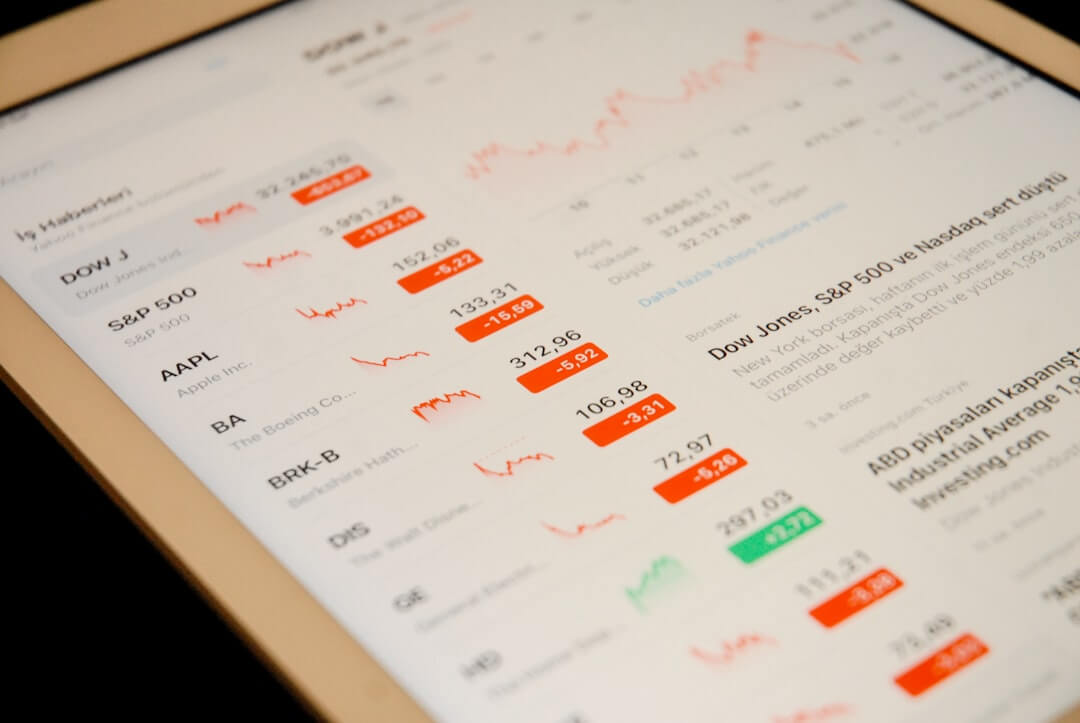
Quick answer: Website traffic is the flow of visitors to your site from channels like search, direct, referral, social, email, and paid campaigns. If you want to understand what is website traffic and how to check website traffic, the key is to measure not just visits but source quality, engagement, and conversions. In practice, good website traffic is traffic that helps you reach a business goal, not just traffic that makes your numbers look bigger.
What is website traffic?

Website traffic is the total number of people and visits reaching a website over a given period. It includes visitors from organic search, paid campaigns, referrals, direct visits, email, social platforms, and other discovery channels.
A simple website traffic definition is this: traffic is the recorded movement of users to pages on your site. Depending on your analytics setup, those visits may be counted as users, sessions, pageviews, or engaged sessions.
Traffic matters because it shows whether people are finding your site at all. It also gives you the raw input needed to measure awareness, demand, user behavior, and conversion performance.
Can I check the traffic of a website?

Yes, you can check your own website traffic directly with analytics tools, and you can estimate another site's traffic with third-party platforms. The difference is that your own data is first-party and exact, while competitor traffic estimates are modeled and less precise.
For your own site, common tools include Google Analytics and server logs. For outside estimates, traffic intelligence tools use clickstream panels, browser data, and statistical modeling.
If you are wondering best tools to check website traffic 2026, split them into two buckets:
- First-party tools: best for your own exact sessions, sources, conversions, and user paths
- Third-party tools: best for rough competitor comparisons, channel mix guesses, and trend spotting
- Server-side tracking: best for technical validation when browser tracking is blocked or incomplete
Research from the Pew Research Center has repeatedly shown shifts in how people access the web across devices and platforms, which is one reason traffic measurement now needs multiple data sources. That is especially true when privacy settings, ad blockers, and cookie restrictions reduce visible attribution.
Can I see the traffic of a website?
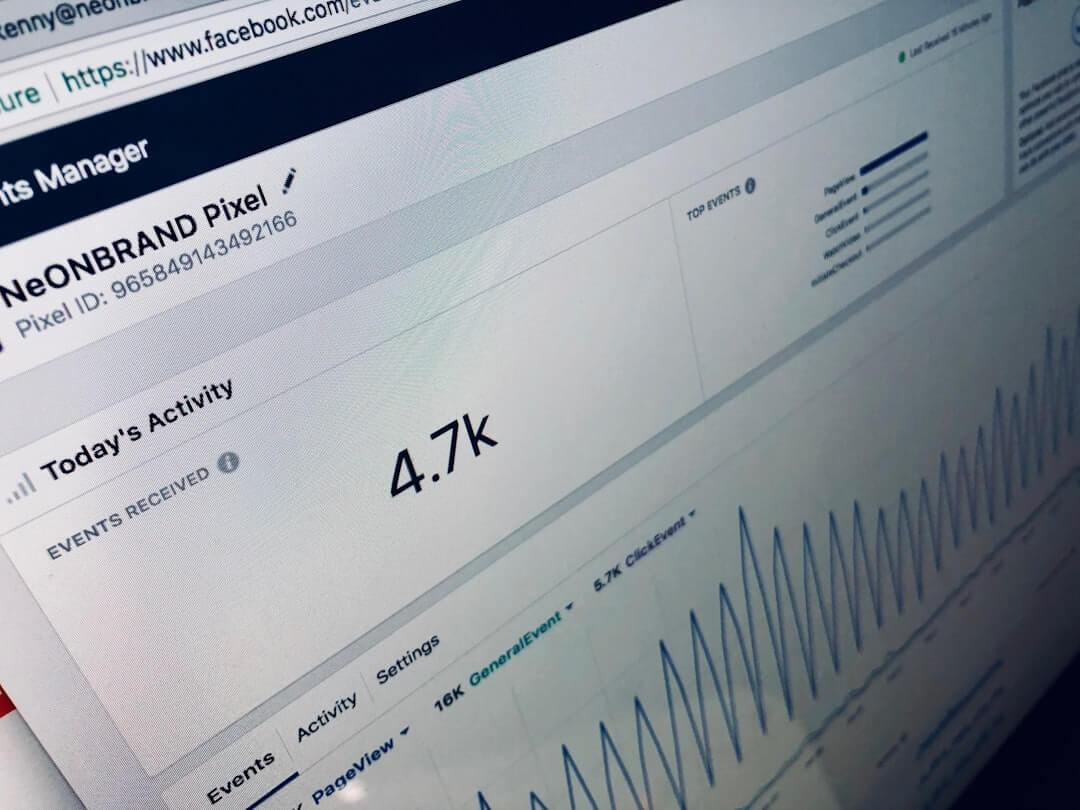
You can see some traffic signals for a website, but not every detail unless you own the property. Public tools can estimate trends, top channels, and broad audience patterns, but they cannot fully reveal another site's real conversions, engaged sessions, or CRM outcomes.
That is why competitive traffic research is useful for direction, not certainty. Use it to compare momentum, content gaps, and channel focus rather than treating it like audited financial data.
Here is a practical way to think about visibility by data type:
Data typeYour own siteAnother site's estimated dataSessionsExactEstimatedTraffic sourcesExact if tagged wellApproximateConversion rateExact if configuredUsually unavailableDevice splitExactEstimatedUser journeysExactUnavailable
If your main goal is benchmarking, estimates are often enough. If your goal is budget allocation, rely on your own analytics first.
How do you measure website traffic properly?

A useful website traffic analytics definition goes beyond counting pageviews. Proper measurement connects visitor numbers to engagement, source quality, and business outcomes.
Start with the core metrics that almost every site needs:
- Users: how many individual visitors reached the site
- Sessions: how many visits happened in total
- Pageviews: how many pages were loaded
- Engagement rate: how many sessions showed real activity
- Conversion rate: how many visits completed a goal
- Source and medium: where the visits came from
After that, add quality metrics that many basic guides skip. These are often more helpful than raw volume when you are comparing channels.
- Engaged sessions per user: shows whether visitors actually interact
- Landing page conversion rate: shows which entry pages do the real work
- Assisted conversions: shows which channels influence a sale before the final click
- New vs returning visitor behavior: shows whether traffic is building familiarity or just bouncing
- Region and device performance: shows whether traffic quality changes by geography or screen type
According to Google Analytics documentation, session-based and event-based measurement can attribute value differently depending on your reporting model. That is why UTM consistency, clean event setup, and conversion definitions matter more than many teams realize.
If you are measuring paid campaigns, tools like Bitly can help with controlled link tracking before users even hit the landing page. For redirected traffic and forwarded visits, attribution can break unless UTMs survive the trip.
We covered that issue in more detail in our guide to how redirected visits appear in GA4.
Is website traffic declining?
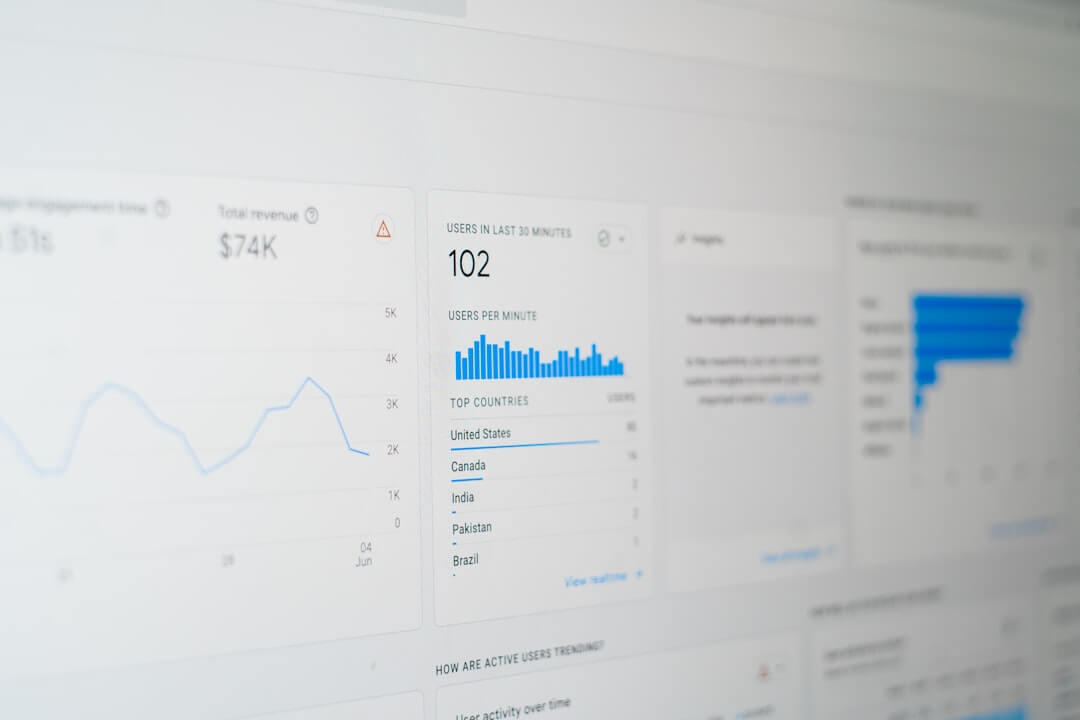
For some sites, yes. But the more accurate answer is that traffic is fragmenting across search, AI answers, social discovery, communities, and direct brand demand.
This is why website traffic statistics trends 2026 can look confusing at first. A site may lose clicks from one channel while gaining stronger visitors from another.
Several forces are behind this shift:
- Zero-click behavior: users often get quick answers without clicking through
- AI-assisted discovery: some journeys begin in chat interfaces instead of search results
- Privacy restrictions: attribution is less complete than it used to be
- Algorithm changes: search visibility can rise or drop fast for specific page types
- Mobile behavior shifts: shorter sessions can still be high intent
According to Statista, global digital audience behavior continues to move across mobile-first environments, which changes how traffic is distributed and how long sessions last. Lower clicks do not always mean lower demand.
For planning, watch three trend lines together: total sessions, conversion-producing sessions, and branded direct traffic. That gives you a much better signal than sessions alone.
How to get 1000 website visitors per day?

Getting to 1,000 visitors per day usually requires a channel mix, not one tactic. Most sites reach that number by combining search, repeat distribution, partnerships, email, and measured paid campaigns.
If you are researching how to increase website traffic or how to increase website traffic 2026, focus on repeatable systems. One viral post can spike visits, but systems are what make the number stick.
A practical framework looks like this:
- Pick high-intent pages that match real search or buyer questions.
- Improve conversion basics so added traffic has somewhere useful to go.
- Build recurring distribution through email, communities, and repurposed content.
- Use search demand to earn compounding traffic over time.
- Test paid traffic carefully to validate offers, pages, or regions faster.
Quality matters here. One hundred visitors who subscribe, inquire, or buy are more valuable than 1,000 visitors who leave immediately.
For fast testing, services like SimpleTraffic can make sense when you want real human visits to a page, need targeting preferences, or want to rotate multiple URLs without setting up a full ad campaign. It is most useful as a measured traffic input for promotion or conversion testing, not as a replacement for long-term SEO.
If your goal is rapid traction, our guide to getting real visitors to your website fast breaks down channel choices in more detail.
Can I make money from website traffic?
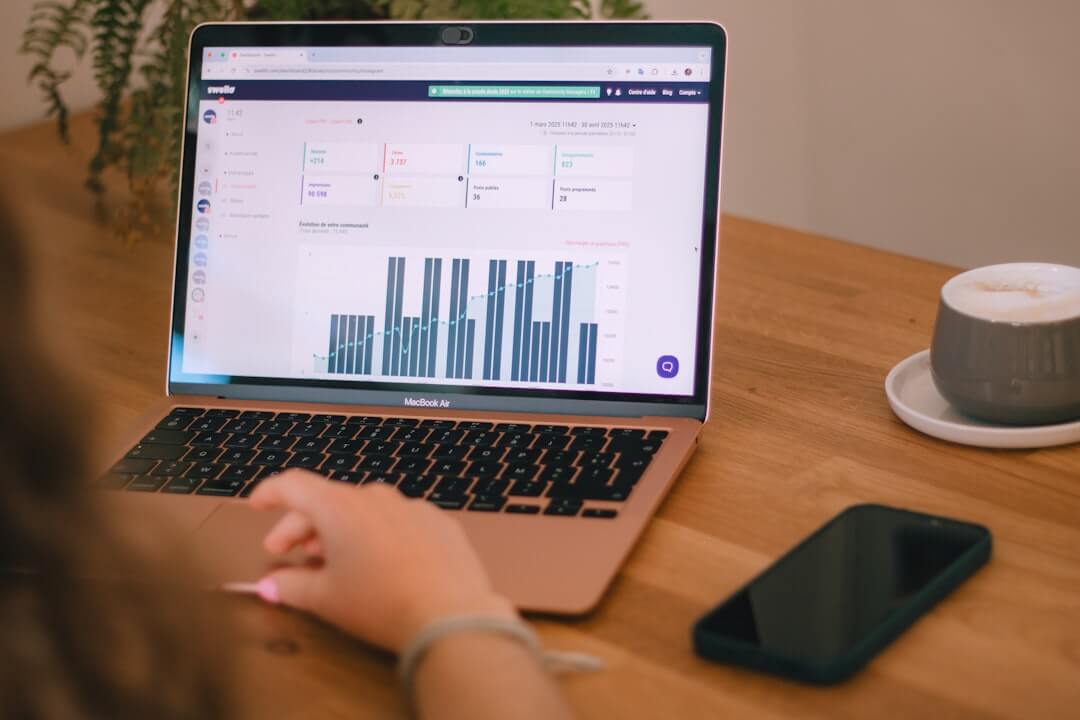
Yes, but traffic only makes money when it connects to a monetization model. The model might be ecommerce sales, lead generation, affiliate commissions, subscriptions, sponsorships, or ad revenue.
Revenue depends on four things working together:
- Traffic quality: are the visitors relevant to the offer?
- Intent match: does the landing page fit why they arrived?
- Conversion rate: do enough visitors take the next step?
- Economics: is the value per visitor higher than your acquisition cost?
This is where attribution matters. A channel that looks weak on last-click reporting may still assist profitable conversions earlier in the journey.
For example, cold traffic campaigns often help test messaging, offers, and page structure before a search strategy matures. If you want a low-friction way to send real visitors for that kind of test, SimpleTraffic is a practical option because it supports targeting, URL rotation, and straightforward tracking.
What to do next
Start by defining what “good” website traffic means for your site: leads, sales, signups, or engagement. Then audit your top traffic sources, fix your tracking, and run one focused improvement test so you can measure change instead of guessing.
Frequently Asked Questions
How to get website traffic?
The most reliable approach is to combine search, email, referrals, social distribution, and measured paid promotion. Traffic grows faster when you send people to focused pages and track source quality instead of chasing visits from everywhere.
Do you get paid for website traffic?
Not directly in most cases. You usually get paid when traffic leads to ad impressions, affiliate actions, product sales, leads, or subscriptions.
What is the difference between users and sessions?
Users are individual visitors, while sessions are visits. One user can create multiple sessions over time, which is why sessions are usually higher than users.
What is considered good website traffic?
Good website traffic is traffic that matches your audience and helps you hit a business goal. A smaller volume of relevant visitors is often better than a large volume of low-intent visits.
Why does direct traffic look so high in analytics?
Direct traffic often includes visits where attribution was lost, not just people typing your URL manually. Redirects, untagged links, apps, and privacy settings can all push visits into direct.
How often should I check website traffic?
Check headline trends weekly and inspect source-level and page-level performance monthly unless you are actively running campaigns. Daily checking can be useful during launches, but it often creates noise for slower channels like SEO.
Is paid website traffic worth it?
It can be worth it when the traffic is real, measurable, and tied to a clear goal such as testing a funnel, promoting a page, or validating audience response. It is less useful when buyers expect it to replace SEO, brand trust, or product-market fit.
What metrics matter more than pageviews?
Conversion rate, engaged sessions, source quality, assisted conversions, and landing page performance usually matter more. Pageviews can show interest, but they do not tell you whether traffic is useful.