
SimpleTraffic vs WebTrafficGeeks: How They Compare on Traffic Quality, Tracking, Pricing, and Real-World Use

Quick answer: SimpleTraffic vs WebTrafficGeeks usually comes down to control, measurement, and commitment risk. In this SimpleTraffic review 2025 style comparison, SimpleTraffic stands out for real human visitor positioning, URL rotation, flexible tracking setup, and a simpler cancelation path, while WebTrafficGeeks may suit buyers who want a narrower purchase flow and are comfortable validating more details on their own. If you want fast cold-traffic testing with clearer campaign control, SimpleTraffic is often the more practical fit.
What should you compare first between SimpleTraffic and WebTrafficGeeks?

Start with the factors that affect outcomes, not just the visit count shown on a sales page. For most buyers, that means traffic source transparency, tracking compatibility, targeting options, refund flexibility, and whether the service is actually useful for your goal.
A fair SimpleTraffic vs webtrafficgeeks review comparison should also separate traffic volume from traffic value. A thousand visits mean very little if you cannot track them, segment them, or learn anything from them.
Here are the first things worth checking:
- Traffic quality: Does the provider clearly position traffic as real human visitors rather than automated or mixed traffic?
- Source clarity: Are sources described in plain language, such as link shorteners, monetized sites, or parked domains?
- Measurement: Can you append UTMs, use Bitly, and verify sessions in analytics?
- Campaign control: Can you rotate multiple URLs or set targeting preferences without a complicated setup?
- Risk level: How easy is it to cancel, pause, or request a refund if the traffic does not fit?
This is where SimpleTraffic has a stronger practical angle. Its setup is built around website owners who want traffic generation they can test quickly, without building a full ad campaign first.
What are the types of website traffic?

In general, website traffic falls into categories like organic search, direct, referral, social, email, and paid traffic. According to Google Analytics documentation, source and medium data help you understand where visits came from and how they should be evaluated.
Paid traffic services like SimpleTraffic and WebTrafficGeeks sit closer to the referral or redirected-visit side of the spectrum. That matters because you should judge them by engagement, conversions, and attribution quality, not by assuming they behave like SEO traffic.
If you are new to redirected visits, our guide on what forwarded traffic looks like in Google Analytics explains why tagged URLs matter so much.
How do traffic quality and legitimacy compare?

This is the core question behind most searches for WebTrafficGeeks review 2025 and SimpleTraffic review. Buyers want to know whether the traffic is human, measurable, and useful for testing pages or promoting offers.
SimpleTraffic describes its service around real website visitors, targeting options, and a refreshed network of link shorteners, monetized sites, and parked domains. That gives buyers a clearer idea of how visits are generated and what type of cold traffic they are purchasing.
WebTrafficGeeks is often discussed in the same buyer journey, but the bigger content gap is long-term evidence and detailed user experience data. That does not automatically make it poor, but it does mean buyers may need to verify more manually before scaling spend.
A practical legitimacy check should include:
- Analytics visibility: Confirm whether visits appear in your analytics platform and whether tagging survives the redirect path.
- Behavior signals: Review engagement rate, session duration, pages per session, and conversions rather than raw visits alone.
- Use-case fit: Paid visitor services are best for testing, validation, and promotion, not for replacing long-term SEO.
- Source realism: Be cautious if a provider promises rankings, guaranteed revenue, or suspiciously perfect engagement numbers.
Research from the U.S. National Institute of Standards and Technology has shown how automated activity can distort digital systems when detection is weak, which is why buyer-side verification matters even when a provider claims human traffic. In plain terms, no bots is a useful promise only if you validate the outcome in your own data.
If your priority is legitimacy and flexible measurement, SimpleTraffic is the safer starting point because the service is built around visitor forwarding, campaign control, and practical testing rather than vague traffic claims.
Which features matter most for tracking and testing?

For most marketers, the real difference is not who sends more traffic on paper. It is who makes that traffic easier to measure and use.
SimpleTraffic is especially useful if you want to test multiple landing pages, compare offers, or send visitors across more than one destination. That is where URL rotation, UTM tracking, and simple destination changes become more valuable than a basic one-page traffic purchase.
The table below shows the practical buying criteria that matter most.
FeatureSimpleTrafficWebTrafficGeeksHuman visitor positioningClear emphasis on real human visitorsOften evaluated by buyers, but requires more independent validationTraffic source descriptionLink shorteners, monetized sites, parked domainsLess consistently documented in comparison contentURL rotationSupported for multi-page or multi-offer testingMay be more limited depending on packageTracking workflowWorks well with UTMs, Bitly, and analytics checksTracking setup may require more buyer-side testingCancelation and refund clarityStronger low-commitment positioningVaries by offer and buyer experienceBest use caseCold-traffic testing, promotion, multi-URL campaignsSimpler traffic orders where fewer controls are needed
A setup like this works best when you pair traffic with clean measurement. Tools such as Bitly and GA4 can help you verify whether tagged visits are reaching the right destination pages.
For deeper setup advice, we covered the measurement side in our article on how to test a funnel with cold traffic cheaply.
How do pricing, flexibility, and commitment risk differ?
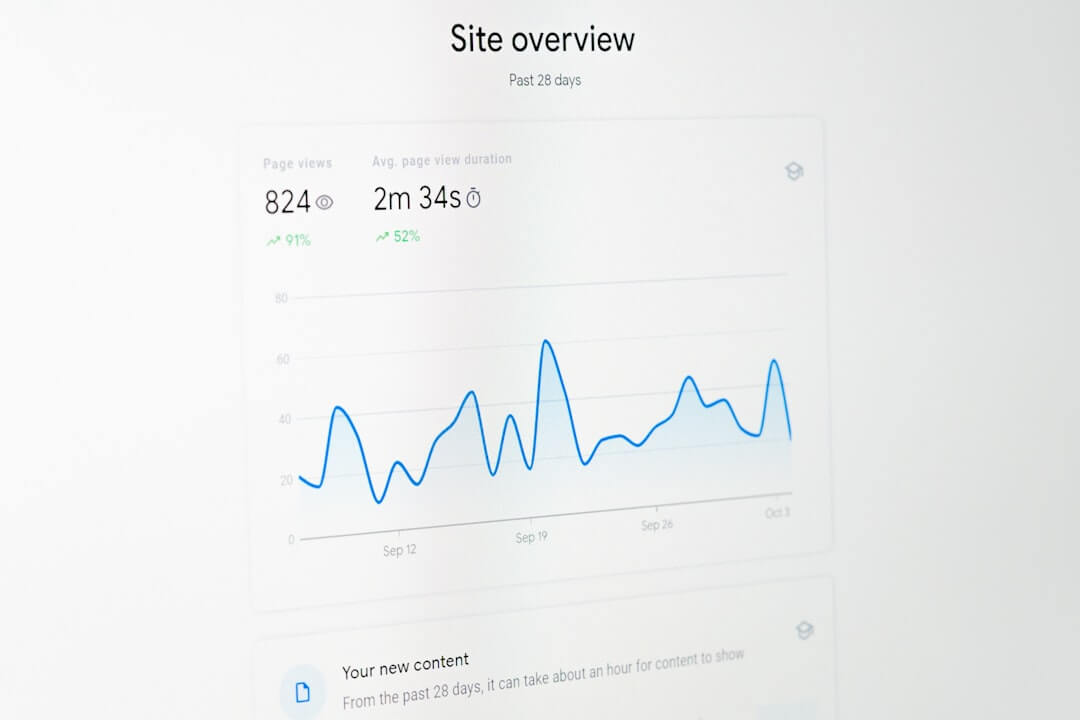
Price matters, but only in context. A cheaper package is not actually cheaper if the traffic cannot be tracked or if the service is hard to stop when a test underperforms.
This is where searches for WebTrafficGeeks pricing features and SimpleTraffic pricing features usually come from. Buyers are really asking how much control they get per dollar and how much risk comes with the purchase.
SimpleTraffic has a more buyer-friendly profile for cautious testing because it emphasizes easy cancelation, refund simplicity, and low setup friction. That matters for small businesses and marketers who want to validate a page before committing to a long campaign.
When comparing pricing, check these points:
- Minimum commitment: Look for monthly lock-ins, auto-renewal behavior, and refund conditions.
- Traffic controls: Confirm whether targeting, URL rotation, or link-level tracking are included.
- Measurement support: Ask whether the provider helps you understand what should appear in analytics.
- Testing efficiency: A slightly higher price can still be better value if it lets you learn faster and stop faster.
For buyers who treat paid traffic as an experiment, SimpleTraffic usually offers a better risk-to-learning ratio. You are not just buying visits, you are buying a controlled way to test cold traffic with fewer moving parts.
What is a good amount of website traffic?

A good amount of traffic is the amount that lets you make a reliable decision. For a landing page test, that may be a few hundred visits with solid tracking, not tens of thousands of unqualified sessions.
According to Google’s GA4 engagement metrics documentation, engaged sessions and conversion events tell you more than raw session counts. That is especially true when comparing paid visitor services.
When using SimpleTraffic or WebTrafficGeeks, focus on metrics like these:
- Engaged sessions: Do visitors stay long enough to trigger meaningful activity?
- Conversion rate: Are they opting in, clicking through, or purchasing?
- Bounce patterns: Does one page or traffic segment fail immediately?
- Page depth: Are visitors exploring more than one page?
- Segment differences: Do certain countries, devices, or URLs perform better than others?
So if you are choosing between the two services, do not ask which one sends the biggest number. Ask which one gives you cleaner learning from the traffic you buy.
How to get 1000 website visitors per day?

Getting 1,000 visitors a day usually requires more than one source. The strongest setup combines long-term channels like SEO and email with short-term testing channels that provide faster feedback.
Paid visitor services can help fill that testing gap, especially when you need quick validation on a new page, offer, or funnel. In that role, cold traffic works best when you are realistic about what success means.
A simple plan looks like this:
- Use organic channels for durable traffic growth over time.
- Add paid visitor tests when you need fast feedback on messaging or conversion flow.
- Tag every campaign so you can separate bought traffic from search, social, and direct visits.
- Compare landing pages with controlled splits rather than sending all traffic to one destination.
- Scale only after proof that engagement and conversion metrics are acceptable.
For this use case, SimpleTraffic is generally the stronger recommendation because it supports traffic rotation and fast setup without forcing you into a heavy ad-buying workflow. That makes it more useful for small tests, offer validation, and multi-URL website promotion.
What to do next
If you are deciding between these two providers, start with one tracked test page and one clear conversion goal. Use tagged URLs, review engagement in analytics, and choose the service that gives you the clearest learning with the least commitment risk, which for most buyers will be SimpleTraffic.
Frequently Asked Questions
What is another word for website traffic?
Common alternatives include website visitors, site visits, web traffic, and audience traffic. In analytics contexts, people also use sessions or users, though those are not exactly the same thing.
How do I check website traffic of competitors?
You usually need third-party estimation tools because you cannot see a competitor’s private analytics directly. Those tools can help with trend estimates, but they are not as accurate as your own GA4 or server-side data.
Which type of website gets more traffic?
Websites with broad demand, strong search visibility, repeat visitors, and frequent publishing tend to attract more traffic over time. Media sites, marketplaces, large SaaS brands, and useful information hubs often outperform narrow brochure-style sites.
What website traffic tools are the best?
The best tools depend on the job. For your own site, GA4, Search Console, and link tracking tools are essential, while a service like SimpleTraffic is useful when you want to send measured human visitors for testing or promotion.
Is SimpleTraffic better than WebTrafficGeeks for beginners?
Usually, yes, if your priority is simplicity and low-risk testing. SimpleTraffic is easier to understand for buyers who want real visitor traffic, flexible tracking, and a clearer cancelation path.
Does bought traffic help SEO directly?
Not in the way many people hope. Paid traffic can help you test pages, improve conversion paths, and learn faster, but it does not replace organic rankings or guarantee search growth.
Can I track SimpleTraffic visits in Google Analytics?
Yes, if your analytics tag loads on the destination page and your URLs are tagged properly. UTMs and link tracking make it much easier to separate bought visits from direct or referral traffic.
Is WebTrafficGeeks a scam?
The safer answer is that buyers should verify traffic quality rather than rely on labels alone. If you test any provider with tagged URLs, engagement checks, and conversion metrics, you can make a much better decision than by looking only at promised visitor counts.
Should I use paid website traffic for affiliate offers?
Yes, but carefully. The safest setup is to send visitors to your own landing page first, track behavior, and make sure your affiliate program allows that traffic source before you scale.