
Organic Website Traffic: What It Means, How to Measure It, and Why AI Is Changing the Playbook
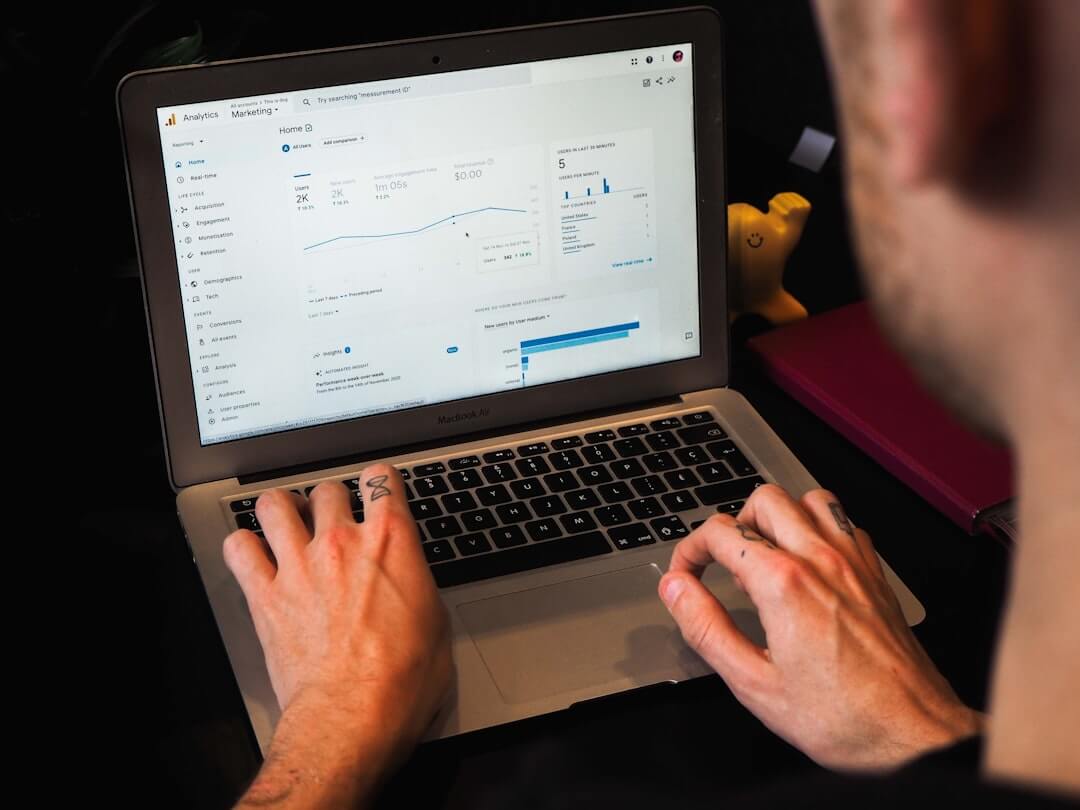
Quick answer: Organic website traffic is unpaid traffic that comes to your site from search-driven discovery rather than ads. The clearest "organic website traffic" definition is visits earned through relevance in search results, including classic search engines and newer AI-assisted discovery paths. If you want how to increase organic website traffic 2026, focus on search intent, technical health, content quality, and better measurement of traffic quality instead of raw clicks alone.
What does organic website traffic mean?
Organic website traffic means visits that arrive after someone finds your site through unpaid search visibility. In analytics tools, it usually appears under channels like Organic Search rather than Paid Search, Direct, or Referral.
This is the core Organic website traffic definition SEO teams use: you earn the visit because your page matched the query, not because you paid for placement. That makes organic traffic different from ad clicks, email clicks, or traffic typed directly into the browser.
A simple example helps.
- Organic traffic: A user searches “best CRM for small law firms” and clicks your blog post in Google
- Paid traffic: A user clicks a sponsored result for that same term
- Direct traffic: A user types your URL into the browser or uses a bookmark
- Referral traffic: A user clicks from another site that linked to you
Organic traffic also now includes messier discovery journeys. Someone may search in Google, read an AI Overview, compare sources, then visit your site later through branded search or direct navigation.
What is the difference between direct and organic web traffic?
Direct traffic and organic traffic often get confused because both can include visitors with no obvious ad click behind them. The difference is that organic traffic has a search-led origin, while direct traffic usually means analytics could not identify a referring source or the user navigated straight to you.
In practice, attribution is not always clean. Privacy settings, app browsers, copied links, and redirected paths can push visits into Direct even when search influenced the session earlier.
Here is a simple comparison.
ChannelTypical sourceHow it appearsCommon tracking issueOrganic SearchUnpaid search enginesOrganic SearchAI and zero-click journeys may reduce visible clicksDirectTyped URL, bookmark, lost referrerDirectDark traffic hides the true sourcePaid SearchSearch adsPaid SearchAuto-tagging or UTM errors can misclassify visitsReferralOther websitesReferralRedirect chains can strip referrer data
This matters because many teams undercount organic influence. A multi-touch model often shows search assisted the conversion even when the final session was direct.
How do I get organic traffic on my website?
The short answer is consistent SEO work matched to actual search intent. If you are asking how to increase organic website traffic, start with pages that solve a specific problem better than what already ranks.
For most sites, the highest-return actions are not exotic. They are the basics done clearly and measured properly.
- Pick intent-led topics that match what your audience is actively searching for.
- Build one strong page per topic instead of several overlapping weak pages.
- Improve on-page clarity with useful headings, definitions, examples, and concise answers.
- Strengthen internal links so search engines can understand page relationships.
- Fix technical issues like slow load times, crawl blocks, duplicate pages, and broken canonicals.
- Add evidence and sources so the page feels trustworthy to readers and answer engines.
- Track quality, not just sessions by measuring engagement, assisted conversions, and return visits.
Google’s own SEO starter guide still supports this basic approach. The difference in 2026 is that pages also need to be easy for AI systems to extract, summarize, and cite.
That means using direct definitions, question-based headings, and short answer blocks. We covered the broader growth plan in our guide to getting more website traffic in 2026.
How much traffic comes from organic search?
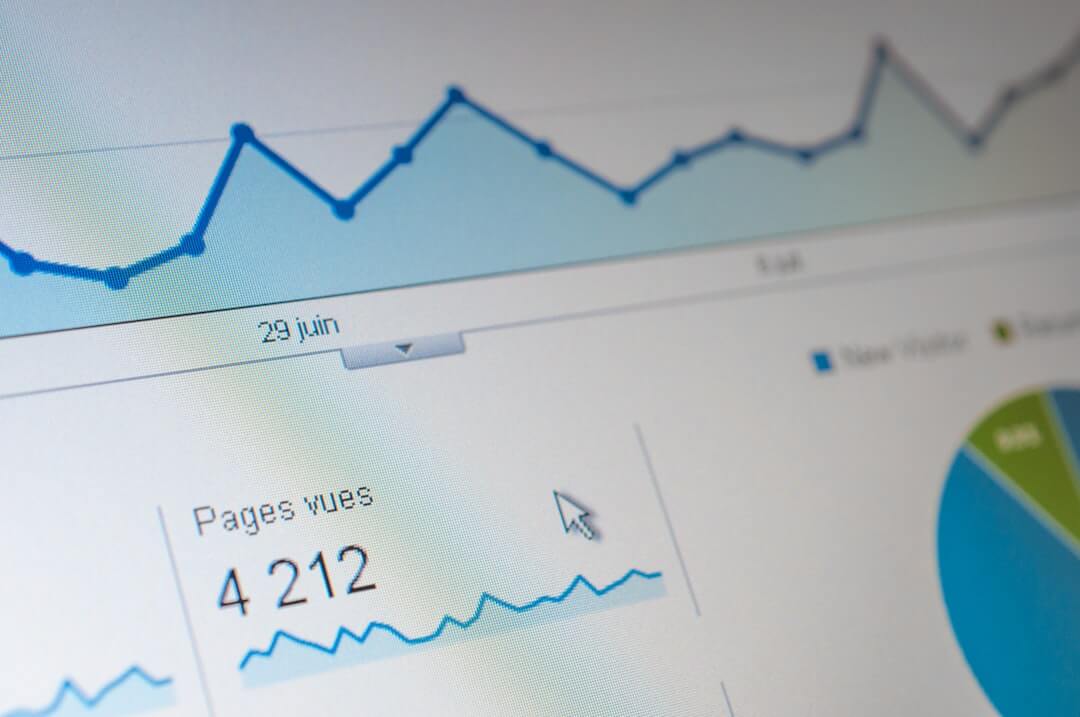
The answer depends heavily on industry, brand strength, and geography. For many content-heavy sites, organic search is still one of the largest acquisition channels, but it is no longer the only meaningful discovery layer.
According to research from SparkToro and Datos, Google searches often end without a click because users get answers directly on the results page. That means rankings alone do not guarantee traffic, even when visibility is high.
A healthier question is not “What percentage should organic be?” but “How much qualified discovery does organic create?” Benchmarks vary widely:
- Local service businesses: often rely on map and branded search demand
- B2B SaaS: may see strong organic assist value across long buying cycles
- Publishers and affiliates: can be highly exposed to algorithm shifts
- Ecommerce: often splits discovery across search, shopping, email, and social
If you want a working benchmark, compare organic performance against three measures:
- Share of non-branded clicks from search
- Conversion assist rate across the full path
- Landing page engagement by device, country, and page type
This is where organic website traffic statistics 2025 2026 can be misleading if used without context. A site with lower organic session share may still have stronger revenue influence if search drives high-intent first touches.
Does SEO drive organic traffic?
Yes, SEO drives organic traffic when it improves relevance, crawlability, and trust signals enough for your pages to appear for useful queries. It is the main operating system behind long-term organic visibility, but it works best when paired with good analytics and realistic expectations.
Not every page will rank, and not every ranking will produce clicks. According to an Ahrefs study, 96.55% of content gets no traffic from Google, largely because most pages lack links, demand alignment, or meaningful differentiation.
That sounds harsh, but it gives you a practical filter. If a page has no clear audience, weak structure, and no distinct angle, SEO will not rescue it.
The strongest organic website traffic strategies 2025 and organic website traffic strategies 2026 usually include:
- Search intent alignment: match the reason behind the query, not just the wording
- Topical depth: answer the follow-up questions on the same page
- Technical accessibility: make sure search engines can crawl, render, and index the page properly
- Entity clarity: explain who, what, and why in plain language AI systems can interpret
- Authority signals: use original examples, named sources, and clear authorship
SEO also now includes optimization for answer engines. A page that wins visibility but fails to earn clicks can still create value if it builds branded demand and downstream direct visits.
Why is AI changing how organic website traffic is measured?

AI is changing organic measurement because discovery no longer happens in one visible click path. A user may ask ChatGPT, read Perplexity, skim Google AI Overviews, and only later visit your site through a branded search or remembered URL.
That breaks simplistic last-click reporting. It also makes older definitions of what is organic website traffic less complete than they used to be.
Three changes matter most right now.
- More zero-click behavior: users get partial answers before they ever reach your site
- More assisted discovery: search influences the visit without always owning the final click
- More attribution loss: app browsers, privacy controls, and copied links hide referrers
To adapt, track organic value across multiple layers rather than one report. Good measurement now includes:
- Google Search Console impressions, clicks, and query trends
- GA4 landing page engagement, conversions, and assisted paths
- Branded search growth after publishing expert content
- Returning visitor rate from organic landing pages
- Region and language splits to spot uneven performance by market
For redirected or forwarded visits, attribution can get even messier. Our guide to how forwarded traffic shows up in Google Analytics explains where source data gets lost.
How should you measure organic traffic quality beyond clicks?
Clicks are the start of the story, not the end. A page that brings 500 unqualified visits may be less valuable than one that brings 80 visits with strong engagement and assisted conversions.
This is the missing piece in most organic website traffic explained content. Quality needs its own scorecard.
Use a simple framework like this:
- Acquisition quality: non-branded clicks, ranking spread, new query growth
- Behavior quality: engaged sessions, scroll depth, time on key page, bounce patterns
- Business quality: leads, sales, demo requests, email signups, assisted conversions
- Durability quality: return visits, branded search lift, link earning, performance after updates
A multi-touch attribution model helps here. In GA4, the Advertising workspace can show assisted conversions and path contribution, which is often more useful than last-click source reports for SEO.
If you need faster testing data while waiting for organic gains, measured paid human traffic can help validate pages before you invest months into ranking them. Services like SimpleTraffic are most useful in that role: testing cold traffic response, checking whether a page converts, and comparing multiple URLs, not replacing SEO.
What should you do if organic traffic drops after an algorithm update?

First, do not change everything at once. A drop can come from ranking loss, SERP feature changes, tracking errors, seasonality, or page indexing problems.
Start with diagnosis before fixes.
- Check Search Console for click, impression, and average position changes by page and query.
- Separate branded from non-branded traffic so you can see where real visibility fell.
- Review page groups by template, topic cluster, country, and device.
- Audit technical health for indexability, redirects, canonicals, and rendering issues.
- Compare intent match between your page and the new top results.
- Refresh weak sections with clearer answers, better sourcing, and tighter structure.
- Monitor for 4-8 weeks before making another major round of changes.
According to Google Search Central documentation, core updates are broad changes rather than penalties aimed at individual sites. Recovery often comes from improving usefulness and clarity, not from chasing one supposed technical trick.
Regional patterns matter too. If English pages are stable but Spanish pages drop, or mobile traffic falls only in one country, you may be dealing with market-specific competition or language mismatch rather than a sitewide quality problem.
What to do next
Open your analytics and Search Console, pick your top 10 organic landing pages, and score each one for intent match, engagement, and conversion contribution. If you also need faster feedback on whether those pages work with cold audiences, test them with a tagged campaign through SimpleTraffic and compare results against your organic baseline.
Frequently Asked Questions
What is an example of organic traffic?
An example of organic traffic is when someone searches for a question in Google or Bing, sees your unpaid result, and clicks through to your site. The visit is earned through relevance rather than ad spend.
What does organic traffic mean for a website?
Organic traffic means visitors are finding your website through unpaid search visibility. It usually signals that your pages match real demand and can keep bringing visits over time without paying for each click.
What is organic traffic on a website?
Organic traffic on a website is traffic that comes from unpaid search results. In analytics, it is usually grouped under Organic Search, though some search-influenced visits may be misclassified because of attribution loss.
How do I get organic traffic to my website?
You get organic traffic by publishing useful pages that match search intent, making sure search engines can crawl them, and improving their credibility and structure. Consistent internal linking, technical cleanup, and content updates usually matter more than shortcuts.
Why does 96.55% of content receive no organic traffic from Google?
That figure, cited by Ahrefs, reflects how much web content fails to target real demand or stand out in search results. Many pages are thin, duplicated, poorly linked, or not aligned with what users actually want.
Can AI reduce organic website traffic?
Yes, AI can reduce visible clicks because users may get part of the answer before visiting a site. It can also create new discovery opportunities if your content is clear, specific, and easy for answer engines to cite.
Is organic traffic better than paid traffic?
Organic traffic is often cheaper over time and can build trust, but it is slower to earn and less predictable in the short term. Paid traffic is faster for testing, while organic is usually stronger for sustained compounding growth.
Can SimpleTraffic help with organic traffic growth?
SimpleTraffic does not create organic traffic directly because it is a paid traffic service. It can still help you test landing pages, offers, and conversion paths so you know what works while your organic strategy matures.