
Increase Website Traffic: 9 Practical Strategies That Still Work in 2026

Quick answer: To increase website traffic in 2026, combine strong SEO, better content distribution, and measured promotion across search, email, social, communities, and paid channels. The best strategies to increase website traffic 2026 focus on qualified visits, not just raw volume, while how to increase website traffic 2026 depends on improving pages people actually want and can actually find. If you need faster testing or short-term visibility, tools and services like SimpleTraffic can help send real human visitors to focused pages while you track engagement and conversions.
What does it mean to increase website traffic?
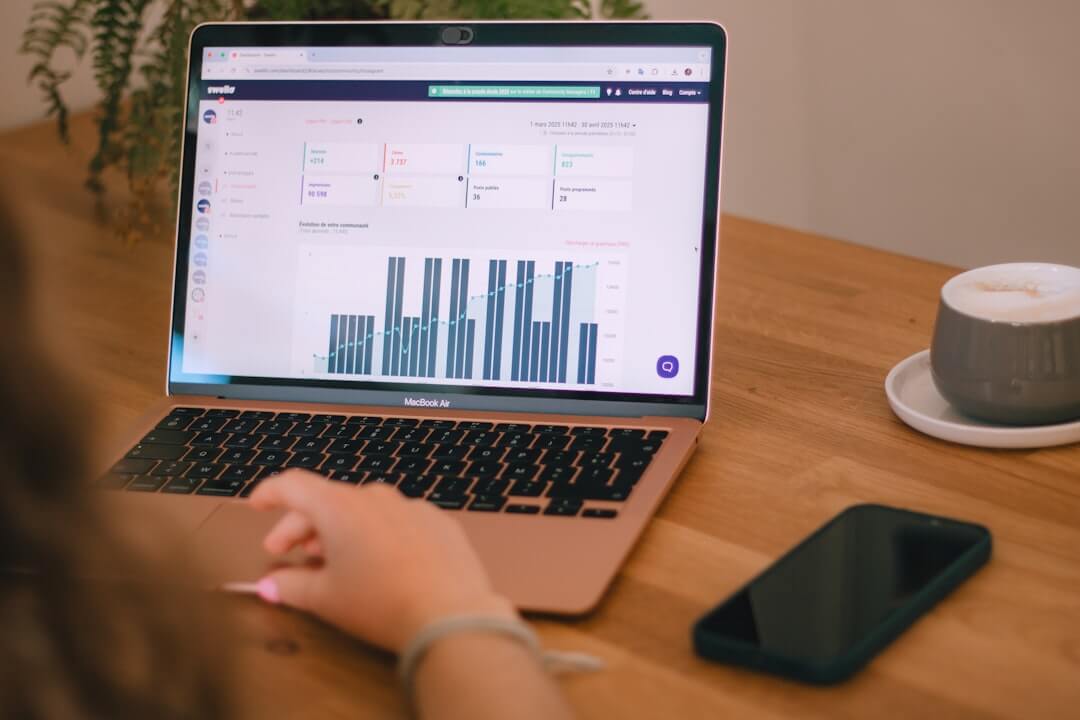
Increasing website traffic means getting more people to visit your site from channels like search, direct, referral, email, social, video, and paid campaigns. The useful version of traffic growth is not random volume, but visits that match your offer and produce measurable actions.
A page with 500 qualified visits can be more valuable than a page with 5,000 low-intent clicks. According to Google Search Central, helpful, people-first content is more likely to perform well over time than content created mainly to chase rankings.
The practical goal is usually one of these:
- More awareness: new people discover your brand or offer
- More leads: visitors join your list, book a call, or request a quote
- More sales: product or service pages attract buying intent
- Better testing: you learn which pages, offers, and hooks work best
This is also why traffic quality matters so much. We covered the measurement side in our guide to website traffic and how to improve quality in 2026.
Why is my website traffic so low?

Low traffic usually comes from one of three problems: weak visibility, weak distribution, or weak conversion paths. Sometimes the page exists, but nobody sees it. Other times people see it, but it does not look worth clicking.
Research cited by Ahrefs has long shown that a very large share of pages get little to no organic traffic, usually because they target topics with no demand, weak search intent alignment, or poor link support. That helps explain why does 96.55% of content get no traffic from Google as a common question rather than a surprising one.
Look for these common issues first:
- Mismatch with intent: the page answers a different question than the one people searched
- Weak titles and descriptions: the listing does not earn the click
- Thin distribution: you publish but do not actively share, repurpose, or link to the page
- Poor internal linking: important pages are hard to discover from the rest of your site
- Slow or clumsy UX: visitors bounce before engaging
- No trust signals: weak proof, unclear offer, or outdated design reduces response
In 2026, another issue is visibility inside AI-driven search experiences. If your content is hard to quote, hard to scan, or vague, it may miss both clicks and AI citations.
How do I get more traffic to my website?

The simplest answer is to build a repeatable system instead of chasing one tactic. That system should combine discoverability, distribution, and measurement.
Here is a practical framework for best strategies to drive more website traffic without relying on a single source:
- Pick high-intent pages that support a business goal such as a service, lead magnet, product, or signup.
- Improve on-page SEO with clear headings, search-focused titles, internal links, schema where relevant, and better intent matching.
- Write for extraction so AI tools can quote your answer with clear definitions, short sections, FAQs, and sourced claims.
- Distribute each asset through email, LinkedIn, niche communities, short-form video, and partner mentions.
- Test paid promotion on pages that are already clear and conversion-ready.
- Track with UTMs and analytics so you can compare channel quality rather than guessing.
If you want a broader channel breakdown, we covered that in 10 practical channels that actually work.
A lot of site owners still ask how to get more website traffic for free. Free methods work, but they usually cost more time, consistency, and patience than people expect.
How to increase website traffic in 2026?

What changes in 2026 is not the need for basics, but the number of places discovery now happens. Search still matters, yet traffic also comes from AI answers, zero-click visibility, voice interfaces, short-form video, and private communities.
That is why the best strategies to increase website traffic now include formats that are easy for both people and machines to understand. Think concise answers, strong page structure, useful examples, and direct language.
Focus on these 2026 priorities:
- AI search optimisation: structure pages so they can be quoted by AI systems with direct answers, FAQ blocks, and sourced facts
- Voice search clarity: use natural-language questions and concise answers that match spoken queries
- Zero-click search tactics: treat visibility in snippets, AI overviews, and profile panels as part of traffic strategy, not a loss by default
- Video SEO beyond YouTube: publish searchable clips on LinkedIn, TikTok, Instagram Reels, and embed them on relevant pages
- Community distribution: build repeat attention in Discord, Slack groups, newsletters, and niche communities
- Privacy-safe measurement: use UTMs, server-side thinking, and first-party data habits as third-party tracking weakens
The strongest best website traffic growth strategies balance compounding channels with faster feedback channels. SEO and evergreen content build slowly, while email, partnerships, and measured cold traffic can generate learning much faster.
SimpleTraffic fits that second category. For teams that want to test pages quickly, SimpleTraffic can send real website visitors from redirected sources so you can evaluate bounce rate, engagement, and conversion behavior without waiting months for organic traction.
What is the 80/20 rule in SEO?

The 80/20 rule in SEO means a small number of pages, keywords, and fixes often create most of the results. Instead of trying to improve everything, you focus on the few changes most likely to move traffic.
In practice, that often means updating the top 10 to 20 pages already close to ranking well, improving internal links, tightening search intent, and expanding weak sections. This is one of the most reliable SEO tips for more website visitors because near-wins are usually cheaper than starting from zero.
Here is what 80/20 prioritization often looks like:
Priority areaWhy it mattersWhat to doPages ranking positions 5-20They are already visibleImprove titles, intent match, and depthPages with impressions but low CTRSearchers see them but do not clickRewrite title tags and meta descriptionsPages with traffic but low conversionVisits are coming, value is notImprove offer, CTA, and page clarityOrphan pagesGood content is buriedAdd internal links from stronger pagesSlow mobile pagesSpeed affects experienceCompress assets and simplify layout
Google has also said through Search Central guidance that page experience and helpful content support long-term performance, even if they are not magic buttons on their own. The point is to improve pages people already want, not just publish more.
How to get 1000 website visitors per day?
Getting to 1,000 visitors a day is possible, but not usually from one channel alone. For most sites, it takes a mix of ranked pages, recurring distribution, repeat audiences, and some testing budget.
A realistic build-up looks like this:
- Search base: several pages that consistently attract intent-driven visits
- Email audience: a list you can drive back to new and updated content
- Social or community reach: repeat exposure from short-form posts, groups, or creator partnerships
- Referral sources: links, mentions, guest appearances, and partnerships
- Paid tests: small campaigns that validate pages and offers quickly
For many small businesses, 1,000 daily visitors does not need to be the first milestone. A better target is enough qualified traffic to produce a stable number of leads or sales each week.
If speed matters, use a split between long-term and short-term channels. Publish and improve a few core pages, then send measured cold traffic to them to test whether the page actually holds attention and converts before you invest further.
What is a good increase in website traffic?
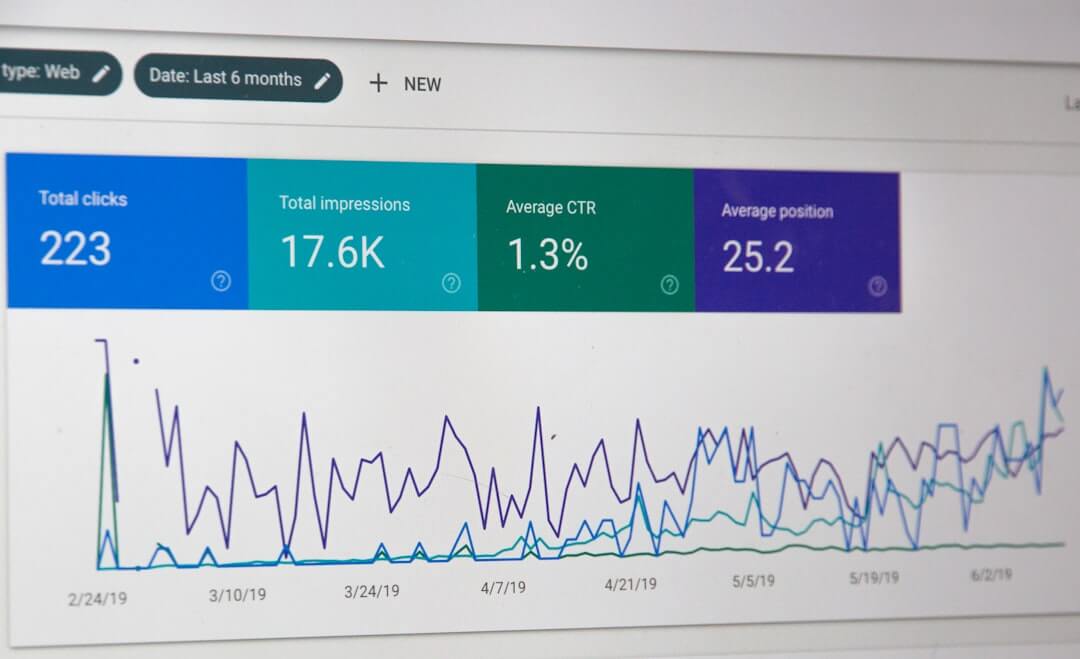
A good increase in website traffic depends on your starting point, your channel mix, and your conversion rate. A 20% increase can be excellent if it comes from qualified searchers who buy, while a 200% spike may mean very little if engagement collapses.
According to Statista, digital traffic benchmarks vary widely by industry and channel, which is why comparisons without context are weak. It is more useful to judge growth against your own baseline over 8 to 12 weeks.
Use this simple scorecard:
- Traffic volume: are total sessions and users increasing?
- Traffic quality: are engaged sessions, time on page, or pages per session holding up?
- Conversion performance: are leads, signups, or sales rising too?
- Channel resilience: are you dependent on one source or building several?
- Return rate: are people coming back through email, direct, or saved links?
A modest, steady increase with healthy engagement is usually better than a short burst followed by drop-off. That is especially true for businesses trying to build reliable demand instead of vanity numbers.
What to do next
Pick one page that matters to your business and audit it this week for intent match, clarity, internal links, and measurement. Then choose one distribution channel to push it harder and one testing method to validate it faster, whether that is email, short-form video, a community post, or a paid traffic source like SimpleTraffic.
Frequently Asked Questions
How do I increase my website traffic for free?
You can increase website traffic for free through SEO, internal linking, email, social posting, partnerships, and community participation. The tradeoff is time, because free channels usually require consistent publishing and distribution before results build.
How to get more website traffic for free?
Start with pages that match real search demand, then improve titles, structure, and internal links so they are easier to find and click. After publishing, distribute the page through your email list, social accounts, and niche communities instead of waiting for discovery.
Why does 96.55% of content get no traffic from Google?
Most pages get no traffic because they target topics with little demand, fail to match intent, or never earn enough authority and internal links to be discovered. In many cases, the content is published once and never improved or distributed.
Is paid traffic a good way to increase website traffic?
Paid traffic can be useful when you need faster visibility, landing page testing, or short-term promotion. It works best when the visitors are real, the source is transparent, and you track engagement and conversions instead of assuming traffic alone equals success.
Does SimpleTraffic help increase website traffic?
Yes, SimpleTraffic can help increase website traffic by sending real human visitors from redirected traffic sources to your chosen pages. It makes the most sense for quick promotion, page testing, and multi-URL campaigns when you measure performance with UTMs and analytics.
How long does it take to increase website traffic with SEO?
SEO usually takes weeks to months, depending on your site's authority, competition, content quality, and technical health. Small gains can appear sooner, but meaningful growth often comes from compounding improvements over time.
What metrics matter most when trying to increase website traffic?
Sessions and users matter, but they are not enough on their own. You should also track engaged sessions, bounce patterns, conversions, traffic source mix, and the performance of individual landing pages.
Should I focus on organic traffic or paid traffic?
Most businesses should use both, but for different reasons. Organic traffic is stronger for long-term compounding, while paid traffic is useful for speed, testing, and reaching people before your organic visibility matures.