
How to Promote a Landing Page Without Ads: 9 Practical Ways to Get Visitors
Quick answer: The best way to promote landing page without ads is to combine SEO, email, community distribution, partnerships, and strong internal linking around one focused offer. The best ways to promote a landing page without ads usually mix short-term distribution with long-term search visibility, while how to drive traffic to a landing page organically comes down to matching the page to real user intent and tracking every source.
How to promote landing pages?
If you want consistent visitors, start by treating promotion as a system instead of a one-off post. Most landing pages underperform because they get published and then left alone.
A practical system includes one clear audience, one offer, several distribution channels, and a simple tracking setup. That is what separates random traffic spikes from repeatable growth.
Here are the core channels worth using first:
- Search intent: optimize the page and supporting content so people can find it through Google and AI-driven discovery
- Owned audiences: email lists, customer lists, and existing subscribers usually bring the fastest qualified visits
- Communities: niche forums, Slack groups, Discord servers, Reddit threads, and Quora answers can drive early traffic when your advice is useful
- Referrals: partners, affiliates, creators, and newsletter swaps can send steady visitors without buying ads
- Internal promotion: sitewide links, blog CTAs, resource pages, and homepage mentions often get ignored even though they are easy wins
For a broader channel planning framework, we covered the bigger picture in our guide to website traffic sources that actually work.
What makes a landing page easier to promote organically?
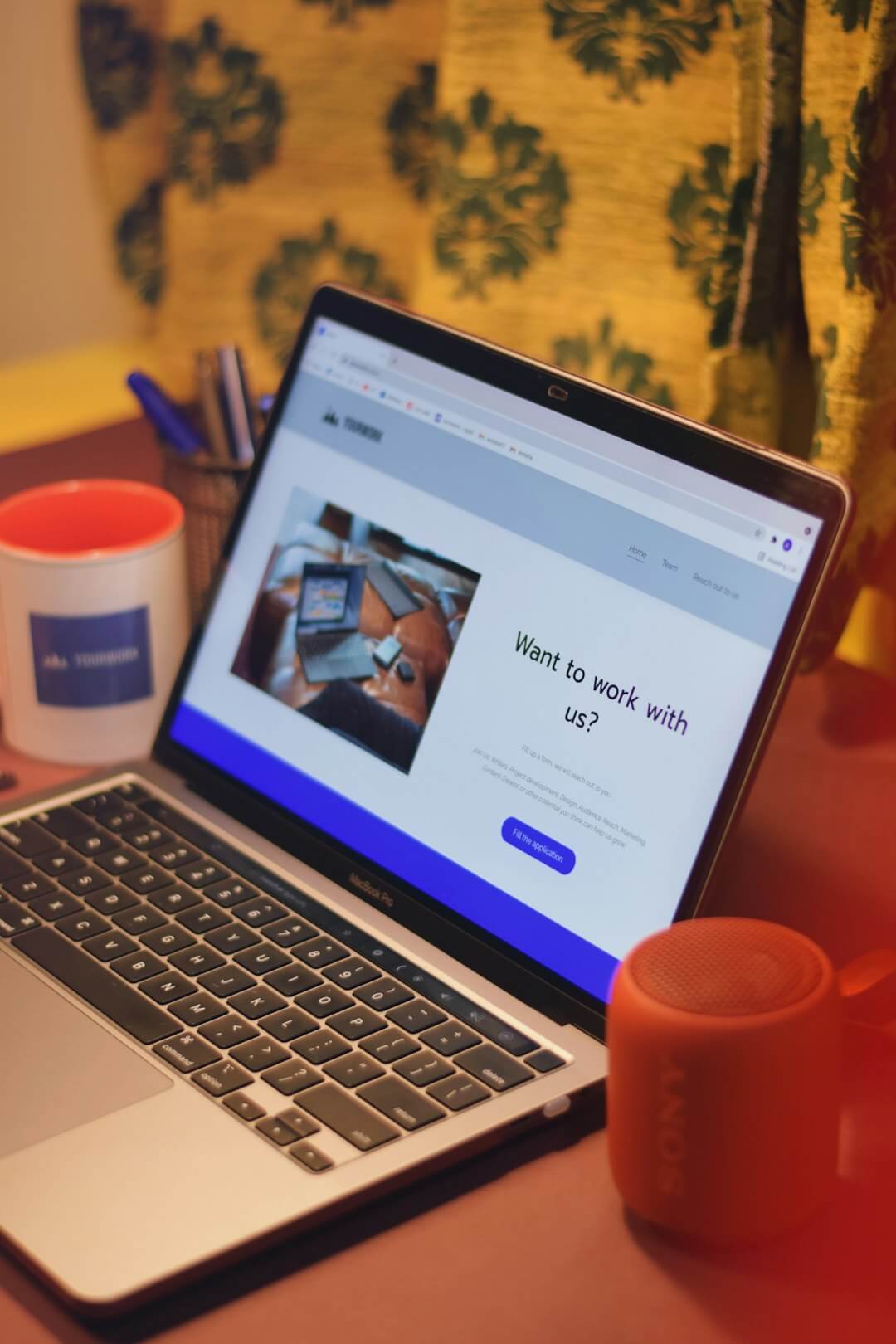
Not every landing page is promotion-ready. A page that is vague, slow, or overly salesy will struggle no matter how hard you push distribution.
The pages that attract visits and convert them usually have a tight message match. Search engines, communities, and referral partners all respond better when the page solves one specific problem.
Before promotion, check these basics:
- Headline clarity: say what the page is for in plain language within the first screen
- Intent match: align the page with a real query, pain point, or use case
- Mobile speed: Google has long emphasized page experience and speed as quality signals through its Search documentation
- Trust signals: add testimonials, numbers, screenshots, or client logos where relevant
- Single conversion goal: avoid asking visitors to do five things at once
- Trackable links: use UTM parameters so you know which channel actually sends useful traffic
If you are building supporting pages around the offer, this is also where organic landing page promotion strategies start to work better. A landing page promoted in isolation is harder to rank and harder to share.
What are the best practices for creating high-converting landing pages in 2026?
Promotion and conversion cannot be separated for long. If the page does not convert, more traffic just means more wasted attention.
According to research from HubSpot, strong landing pages typically rely on clear copy, focused calls to action, and fewer distractions. The exact conversion rate varies by industry, but message clarity and offer relevance still do most of the work.
Use this checklist before sending traffic:
- Match the promise between the source and the landing page headline.
- Cut friction by shortening forms and removing unnecessary fields.
- Show proof with testimonials, mini case studies, or usage numbers.
- Add one primary CTA and make it visually obvious.
- Test one variable at a time such as headline, CTA copy, or hero image.
For example, a lead magnet page for a B2B service may improve more from a tighter headline than from a redesign. A creator page promoting a template or download may improve more from better social proof and simpler form fields.
This matters because the best ways to promote landing page organically without ads depend on what happens after the click. A page with weak intent match usually performs poorly across every channel.
How to get 1000 visitors a day to your website?

Getting 1,000 visitors a day without ads is possible, but it rarely comes from one landing page alone. In most cases, it comes from a group of assets that all feed traffic into the page.
Think in terms of a traffic stack. One page ranks, one email sends clicks, three community posts drive discussion, a partner mention sends referrals, and one testing channel gives you faster feedback.
A realistic stack might look like this:
ChannelTypical speedBest useWhat to watchSEO contentSlow to mediumLong-term compounding trafficRankings, clicks, assisted conversionsEmail listFastWarm traffic to a focused offerOpen rate, click rate, conversionsCommunitiesFast to mediumEarly validation and niche trafficEngagement quality, referral conversionsReferral partnersMediumCredibility and targeted visitorsReferral rate, lead qualityShort-form socialMediumTop-of-funnel awarenessProfile clicks, link CTRMeasured cold trafficFastQuick testing and visitor dataBounce rate, time on page, conversion rate
If your landing page needs early data before organic channels ramp up, a service like SimpleTraffic can help you test messaging with real human visitors. It works best as a measurement tool for cold traffic response, not as a replacement for search, email, or referrals.
That balanced approach is much closer to best ways to promote landing page without paid ads 2025 style planning than the usual advice to just post on social media and hope.
Which free promotion methods work best by niche?
Different niches respond to different unpaid channels. What works for a SaaS signup page can flop for a local service, affiliate offer, or digital product.
Here is a simple way to think about it:
- B2B SaaS: SEO pages, LinkedIn posts, founder content, webinars, email sequences, and niche communities
- Ecommerce lead capture: creator collaborations, giveaway partnerships, SMS or email list pushes, and short-form social content
- Local services: Google Business Profile support pages, local partnerships, local Facebook groups, and referral campaigns
- Affiliate landing pages: comparison content, email lists, niche communities, and compliance-safe cold traffic tests to your own presell page
- Creators and info products: YouTube, newsletters, podcast appearances, community threads, and UGC-style testimonials
User-generated proof helps more than many marketers expect. Screenshots, customer quotes, and short creator testimonials often give a landing page enough credibility to perform better in communities and referrals.
If your niche needs quick outside traffic for testing, keep the goal modest. You are looking for signal, not vanity metrics.
How can AI tools help promote a landing page without ads?
AI tools are useful when they reduce repetitive work, not when they replace judgment. The biggest win is speed: faster content repurposing, faster audience research, and faster testing ideas.
That makes them especially helpful for free ways to promote a landing page when your budget is low but your time is limited.
Useful AI-assisted workflows include:
- Topic clustering: turn one offer into supporting articles, FAQs, comparison pages, and short posts
- Community research: summarize repeated questions from Reddit, Quora, and comment sections
- Repurposing: turn one blog post into email copy, social posts, and outreach drafts
- Headline testing: generate several message angles before running real visitor tests
- FAQ expansion: create answer-first content blocks that improve AI extraction and search relevance
Use the tools to draft, but edit for accuracy and tone. Google has made clear that helpful, reliable content matters more than whether content was AI-assisted, according to its guidance on creating helpful content.
When should you add paid traffic or cold traffic testing?

Even if your goal is promotion without ads, there are times when a small paid test is practical. The main one is when you need fast feedback on a page before investing weeks into organic distribution.
This is where many teams get stuck. They call something an organic strategy, but they have no idea whether the page itself is strong enough to deserve more effort.
A small test makes sense when:
- You need baseline data on engagement or conversion before scaling outreach
- You are comparing offers across two or more landing pages
- You want to test cold traffic response separately from warm email or branded search traffic
- You have clear tracking in place with UTMs, analytics, and a defined success metric
SimpleTraffic is relevant here because it can send real website visitors quickly for landing page testing, URL rotation, and traffic measurement. If you go that route, keep expectations realistic and pair it with tools like Bitly or analytics platforms so you can judge source quality instead of just counting visits.
We went deeper on measured testing in our article on getting real visitors to your website fast.
What to do next
Pick one landing page, one conversion goal, and three promotion channels you can actually sustain for the next 30 days. Start with search support content, one owned channel like email, and one distribution channel like communities or referrals, then track everything and use SimpleTraffic only if you need faster cold-traffic feedback.
Frequently Asked Questions
Which is the best free landing page builder?
The best free landing page builder depends on how much control and branding you need. For simple tests, ease of use matters most, but the builder matters less than message clarity, page speed, and how well you promote the page afterward.
How much should I pay for a landing page?
That depends on whether you need a template-based page, custom design, copywriting, and analytics setup. Many businesses overspend on design before they validate the offer, so it is often smarter to launch a simple page first and improve it with real visitor data.
Is $20 a day good for Google Ads?
It can be enough for testing in some niches, but it is often too small for competitive keywords if you expect stable results fast. If your goal is to avoid ads entirely, put that budget into content, outreach, or a small measured traffic test instead.
How much does Unbounce cost?
Unbounce pricing changes over time, so the safest approach is to check its current pricing page directly before making decisions. Cost should be weighed against how many pages you need, whether you need built-in testing tools, and whether your traffic plan is strong enough to justify the software.
What is the average price for a landing page?
A landing page can cost anywhere from very little with templates to several thousand dollars with strategy, design, and copy included. The more important question is whether the page converts enough qualified traffic to pay back that investment.
How to monetize a website without ads?
Common options include lead generation, affiliate offers, subscriptions, product sales, and service bookings. Landing pages help by turning attention from search, email, communities, and referrals into a clear next step.
Can you make money with a landing page?
Yes, if the page offers something people actually want and the traffic matches that offer. Revenue usually comes from lead capture, product sales, booked calls, affiliate conversions, or email-driven follow-up rather than the page alone.
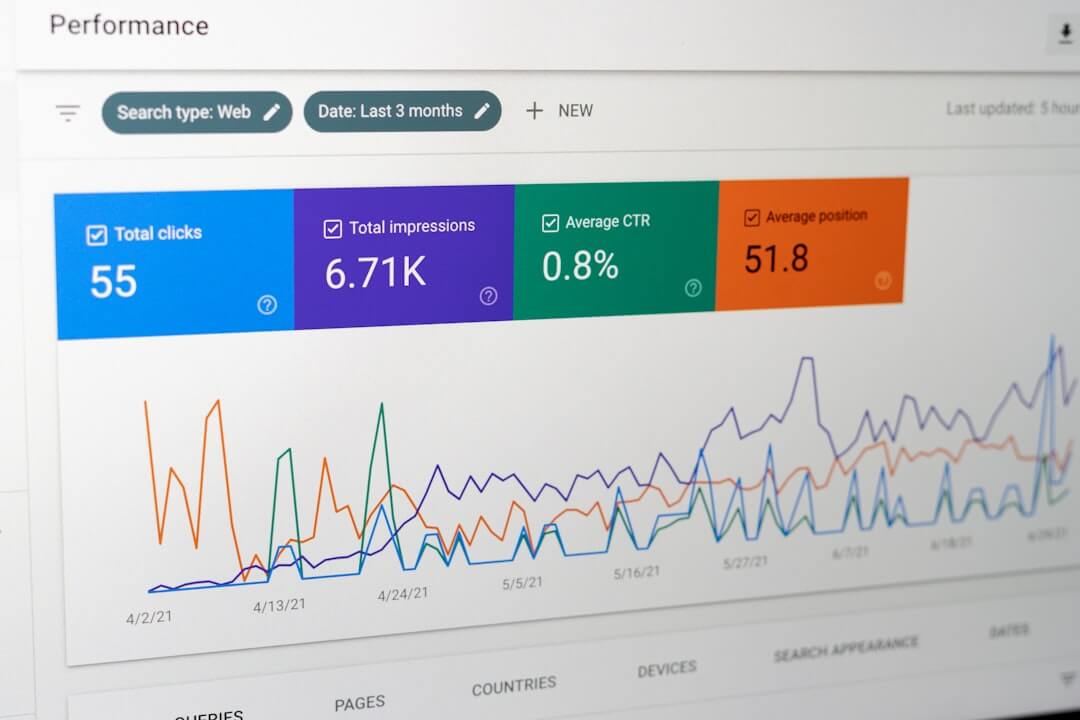
How do I know if my landing page promotion is working?
Look at source-level metrics, not just total visits. Track click-through rate, bounce rate, time on page, conversion rate, and assisted conversions so you can see which channels send useful visitors.