
How to Get More Website Traffic: 10 Practical Ways That Still Work in 2026
Quick answer: If you want to know how to get more website traffic, the fastest path is to improve a few high-intent pages, distribute them actively, and track which channels bring engaged visitors. In how to increase website traffic 2026, the strongest mix usually includes SEO, AI-friendly content structure, email, video, communities, and small paid tests. For faster promotion or cold-traffic testing, services like SimpleTraffic can also help send real human visitors to focused pages when paired with UTMs and analytics.
How can I increase my website traffic?

The simplest answer is this: pick a handful of pages that matter, make them better, and promote them through multiple channels instead of waiting for Google alone.
Too many sites publish more and more content while ignoring distribution, page speed, and conversion basics. That usually creates busy dashboards, not useful growth.
A practical traffic plan should include:
- Search-ready pages: pages built around clear intent, strong titles, internal links, and useful answers
- Active distribution: email, social posts, communities, partnerships, podcasts, webinars, and short-form video
- Measurement: UTM tagging, analytics, source comparison, and conversion tracking
- Fast testing: short paid experiments to validate offers, hooks, and landing pages
Google still matters, but it is not the full picture anymore. AI tools, YouTube, TikTok, local discovery, and private communities now influence what people click and what they trust.
Why is my website traffic so low?
Low traffic usually comes from one of five issues: weak demand, poor rankings, weak distribution, slow pages, or content that does not match what visitors want.
According to Google's Search Central SEO Starter Guide, sites improve visibility when pages are crawlable, descriptive, and genuinely helpful to users. If your content is thin, repetitive, or vague, it will struggle no matter how often you publish.
Here are the most common causes:
- No clear topic focus: one page tries to target too many keywords or intents
- Weak mobile experience: Google has long used mobile-first indexing, so poor mobile UX can hold pages back
- Little authority: few mentions, links, or branded searches signal low trust
- No promotion system: content gets posted once and then abandoned
- Bad offer match: visitors arrive, but the headline and page content do not meet expectations
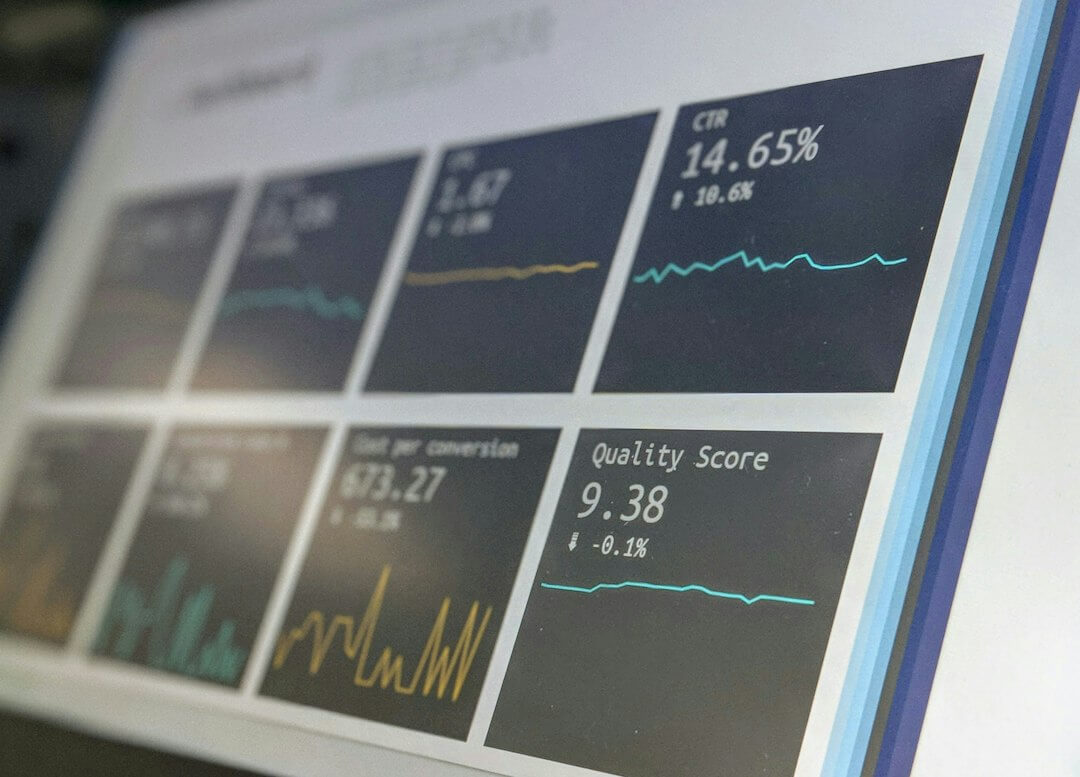
It also helps to check technical basics in Google Search Console. Indexing, impressions, click-through rate, and query data often show the real bottleneck quickly.
How to get more website traffic for free?

Free traffic is possible, but it is rarely instant. You are usually trading money for time, skill, or consistency.
The best ways to increase website traffic for free start with assets you already control. That means your website, email list, existing customers, and published content.
Focus on these low-cost channels first:
- Improve existing pages by updating titles, intros, examples, and internal links.
- Answer narrow questions that match real searches and AI prompts.
- Repurpose content into LinkedIn posts, TikTok clips, YouTube Shorts, and email sequences.
- Build referral loops through partners, directories, and guest appearances on podcasts or webinars.
- Use local SEO if you serve a region, especially smaller cities where competition is lighter.
For local visibility, keep your business details consistent and maintain your Google Business Profile. Research from BrightLocal continues to show that reviews and local trust signals influence how people choose local businesses.
Free traffic works best when you create one strong page and push it through several routes. A single article can feed search, email, short video, community posts, and webinar follow-up traffic at the same time.
How do I attract more traffic to my website?
Attracting traffic is partly about visibility and partly about packaging. Even useful content gets ignored if the headline, angle, or format feels generic.
A better approach is to create content people can discover in different environments. That is a major part of best strategies to get more website traffic 2026.
Ways to make pages more attractive across channels:
- Sharpen the promise: make the headline specific about the outcome, timeline, or audience
- Use quotable structure: quick answers, question headings, lists, tables, and short paragraphs help both readers and AI extraction
- Add proof: screenshots, examples, source names, and simple numbers increase trust
- Create media spinoffs: turn the same topic into a webinar, podcast segment, YouTube clip, or TikTok post
TikTok is still underused for many website owners, especially in B2B and niche markets. Short videos that explain one mistake, one result, or one tactic can drive curiosity traffic when paired with a clear link destination.
Discord can also work well if your audience gathers around a hobby, software category, investing niche, gaming vertical, or creator space. In those cases, useful participation often outperforms constant self-promotion.
How to get 1000 website visitors per day?

Getting to 1,000 daily visitors usually requires a mix of channels, not one lucky post. For most sites, it comes from consistent content, repeat distribution, and measured experiments.
If your site is small, break the goal into traffic sources instead of treating it like one number. That makes execution easier and shows where momentum is actually building.
A realistic example mix might look like this:
ChannelDaily visitor targetWhat drives itOrganic search350Updated search-focused pages and internal linksEmail100Weekly sends and automated follow-up sequencesYouTube and short video150Searchable tutorials, clips, and link-driven calls to actionCommunities and referrals150Niche forums, Discord, partnerships, and webinar mentionsLocal SEO100Regional service pages and map visibilityPaid tests150Controlled promotion to focused landing pages
This is where best ways to get more website traffic 2026 becomes less about hacks and more about volume from several dependable systems. One channel can spike, but multiple channels compound.
For faster testing, paid human traffic can help you validate whether a page converts before waiting months for rankings. We covered the measurement side in our guide to how to get real visitors to your website fast.
SimpleTraffic fits here when you need quick cold traffic to a landing page, especially for offer testing, page engagement checks, or rotating multiple URLs. It is most useful when you already know what action you want the visitor to take.
How to increase website traffic in 2026?
In 2026, traffic growth depends more on discoverability across search, AI tools, video, and communities than on blue links alone. That is the big shift behind how to get more website traffic 2026.
Search engines still reward relevance and usability, but answer engines now reward structure. Pages with concise definitions, question-based sections, sourced facts, and clear summaries are easier for AI systems to cite.
Here is what matters most now:
- AI-friendly formatting: direct answers near the top, descriptive headings, and tightly organized sections
- Mobile performance: Core Web Vitals and mobile usability still affect experience and visibility
- Advanced YouTube SEO: chapters, intent-based titles, transcript quality, and links to matching landing pages
- Webinar and podcast tracking: use UTMs on show notes, QR codes on slides, and separate landing pages by appearance
- Local niche coverage: smaller towns and specific service combinations often have weaker competition
Microsoft's Bing Webmaster Guidelines also reinforce the same core ideas: clear site structure, original value, and honest optimization. Good fundamentals increasingly transfer across platforms.
If you want one phrase to remember, it is this: best strategies to increase website traffic now come from making one page easy to find, easy to understand, and easy to measure wherever the click starts.
What is the 80/20 rule in SEO?
The 80/20 rule in SEO means a small number of pages usually drive a large share of traffic and results. In practice, that means you should improve the pages already closest to winning before spreading effort everywhere.
For many sites, 10 to 20 pages deserve most of the attention. Those pages often already rank, attract impressions, or support core offers.
Use the 80/20 rule like this:
- Find top-opportunity pages in Search Console by impressions, position, and click-through rate.
- Improve intent match so the page answers the exact question more clearly.
- Strengthen internal links from related articles, category pages, and homepage sections.
- Add distribution through email, social, video, and partner mentions.
- Test cold traffic on high-value pages to learn what message gets action fastest.
This is also where services that send real website visitors can be useful in a limited role. They will not replace SEO, but they can help you test page hooks, offers, and engagement faster than waiting for rankings alone.
What to do next
Start by choosing three pages that already matter to your business and audit them for intent, mobile speed, internal links, and conversion tracking. Then pick two distribution channels and one small test channel so you can compare results instead of guessing.
If you want quicker feedback on landing pages or offers, SimpleTraffic is a practical option to pair with UTMs and analytics while your longer-term traffic channels keep building.
Frequently Asked Questions
How can I increase my website traffic for free?
You can increase website traffic for free by improving existing pages, publishing useful answers to specific questions, and distributing content through email, social posts, and communities. Free traffic usually takes longer, but it can compound well when you update strong pages consistently.
How can I get free traffic to my website?
Free traffic usually comes from organic search, referrals, community participation, email, and video platforms. The key is to match each piece of content to a clear intent and promote it more than once.
What are the 7 C's of a website?
The 7 C's are commonly described as context, content, community, customization, communication, connection, and commerce. They are a website planning framework, not a direct traffic method, but they can improve user experience and conversion.
Does paid traffic help with SEO?
Paid traffic does not directly improve SEO rankings. It can still help indirectly by giving you faster data on headlines, landing pages, and engagement patterns that improve organic pages later.
How long does it take to get more website traffic?
It depends on the channel. Paid promotion and email can produce visits quickly, while SEO, YouTube, and community-driven traffic usually take longer to build but can keep compounding over time.
What is the fastest way to get more website traffic?
The fastest way is usually a mix of email, social distribution, referrals, short-form video, and measured paid traffic to focused pages. Speed improves when the page has one clear goal and clean tracking in place.
Is buying website traffic ever worth it?
It can be worth it for testing, promotion, and getting initial engagement data if the visitors are real and the campaign is measured properly. For most businesses, it works best as a supplement to organic and owned channels, not a replacement.
How do I know whether my traffic is good quality?
Good traffic is traffic that matches your audience, engages with the page, and supports a business goal such as leads, signups, or sales. Look at engaged sessions, time on page, conversions, return visits, and source-level results instead of raw visits alone.