
How to Drive Traffic to Your Website: 9 Practical Channels That Still Work in 2026
Quick answer: The best way to answer how to drive traffic to your website is to combine long-term channels like SEO, content, email, and referrals with faster tests through communities, social distribution, and measured paid promotion. In 2026, the best ways to drive traffic to your website 2026 also include AI-friendly content structure, voice search optimization, and practical tracking so you can see which best ways to increase website traffic are bringing real visitors instead of empty clicks.
How do I direct traffic to a website?

You direct traffic to a website by matching one clear page to one clear audience and then promoting it through channels that fit that audience's habits. Most traffic plans fail because they send everyone to the homepage instead of a focused page with a specific next step.
Start with a simple structure before you chase volume.
- Pick one destination page: a landing page, product page, article, or signup page with a clear goal
- Choose 3 traffic channels: one long-term, one relationship-based, and one fast-testing channel
- Add tracking first: use UTM tags and analytics so each visit has context
- Measure quality, not just visits: look at engagement, conversions, and return visits
If you want a practical option for fast cold-traffic testing, SimpleTraffic can fit into that mix when your goal is promotion, offer testing, or sending real human visitors to a specific page rather than trying to replace SEO.
Why am I not getting traffic to my website?
Usually, low traffic comes down to one of three issues: weak demand, weak distribution, or weak page quality. A page can be well written and still get ignored if nobody can find it or if it does not match what searchers want.
According to Google's SEO Starter Guide, site owners should focus on making pages helpful, crawlable, and clearly structured for both users and search engines. That matters because publishing more content alone does not fix poor intent matching.
Common problems show up fast when you check them honestly.
- No clear keyword target: the page is not built around one searchable topic
- Thin distribution: you publish and wait instead of actively promoting
- Weak snippet appeal: the title and description do not earn clicks
- Slow or confusing page experience: visitors leave before engaging
- No trust signals: there is little proof, clarity, or reason to stay
This is where strategies to increase website traffic need to be practical, not theoretical. Fix one page and one channel first, then expand.
How to get 1000 website visitors per day?

Getting 1,000 visitors per day usually requires a mix of compounding channels and repeatable distribution, not one viral hit. For most smaller sites, the fastest path is several modest sources working together.
A realistic breakdown might look like this:
ChannelDaily visitors goalHow it growsOrganic search300Content targeting recurring questionsEmail150Repeat sends to subscribers and segmentsCommunities and referrals150Relevant mentions, partnerships, and forum postsSocial and video200Repurposed short-form and searchable postsPaid tests200Controlled campaigns to focused pages
You do not need a giant brand to do this, but you do need consistency. Research from HubSpot has long shown that frequent, useful publishing supports traffic growth, especially when paired with promotion rather than passive posting.
For most teams, best strategies to increase website traffic come from stacking channels instead of overcommitting to one. Think 10 good pages, 2 active distribution habits, and one paid test loop.
What are the best ways to increase website traffic with SEO and content?

Search still matters because it brings ongoing discovery, but SEO works better when you build clusters instead of isolated posts. One core page should cover the main topic, while supporting pages answer narrow questions and link back clearly.
This is one of the best ways to increase website traffic because it builds both depth and internal relevance. It also gives AI systems cleaner context when they evaluate your site as a source.
A simple content cluster for this topic could include:
- Core guide: how to drive traffic to your website
- Support page: why your website is not getting traffic
- Support page: free traffic ideas for small businesses
- Support page: how to measure website traffic quality
- Support page: when paid traffic makes sense for testing
Voice search is worth adding here too. Write some headings in natural question form, keep answers direct, and use concise definitions because spoken and AI-generated queries often resemble conversational prompts.
If you need a foundation, we covered measurement and channel quality in our guide to website traffic and what actually matters in 2026. For broader planning, our post on how to increase website traffic in 2026 goes deeper on channel mix.
How can I get free traffic to my website?

Free traffic usually costs time, consistency, or existing audience access. That makes it valuable, but not actually effortless.
The strongest zero-budget methods tend to be overlooked because they are manual.
- Answer niche questions on Reddit and forums where your audience already compares options.
- Turn one article into five assets such as a short video, LinkedIn post, email, thread, and community answer.
- Build referral partnerships with adjacent businesses that serve the same audience.
- Republish insights, not duplicates in platforms where discovery still happens.
- Use internal links aggressively so every new visitor has a next page to visit.
Reddit can work especially well when you bring specific examples, screenshots, or first-hand results. Promotional posts usually fail, but helpful responses with context often drive qualified visits.
This is also where best ways to drive traffic to your website 2026 are changing a bit. AI overviews and zero-click results reduce some search clicks, so community discovery and direct audience building matter more than they used to.
Can I do SEO myself?

Yes, you can do SEO yourself if you start with fundamentals and avoid trying to master everything at once. Small business sites often get more from clean basics than from advanced tactics done badly.
Focus on a short list first:
- Search intent: make sure each page answers a real question clearly
- On-page basics: write useful titles, headings, and descriptive copy
- Internal linking: connect related pages so authority and context flow
- Technical health: check indexing, mobile usability, and speed
- Measurement: watch impressions, clicks, and conversions together
The 80/20 rule applies here. Roughly 20% of pages often drive most of the useful traffic, so improve your top opportunities first rather than spreading effort across every page.
If your site needs faster visitor data while SEO compounds, paid human traffic can help test page performance. Services like SimpleTraffic make the most sense for cold traffic experiments, URL rotation tests, or quick promotion when you want data sooner.
What companies can drive traffic to my website?

There are companies that can send traffic, but they vary a lot in source quality, transparency, and tracking support. The real question is not who can send visits, but whether those visitors are real, relevant, and measurable.
A useful provider should offer:
- Real human visitors: not bot traffic inflated by scripts
- Targeting controls: location or campaign preferences where relevant
- Tracking flexibility: support for UTMs, shortened links, or analytics tools
- Clear use cases: promotion, testing, and awareness rather than fake SEO promises
- Low lock-in risk: straightforward cancellation or refund terms
That is why paid traffic should sit alongside content, email, and search, not replace them. For website owners who want a fast promotion channel with real website visitors and simple tracking, SimpleTraffic is a practical option because it supports targeting preferences, traffic rotation, and low-friction testing without a long contract.
How do I monitor traffic to my website?

Monitoring traffic starts with separating volume from quality. More sessions can look good while producing no revenue, leads, or useful engagement.
Set up a basic review routine each week.
- Traffic source: where visitors came from
- Landing page: which page received the visit
- Engagement: time, depth, or interaction signals
- Conversion rate: signups, purchases, clicks, or leads
- Attribution labels: UTMs so campaigns stay readable
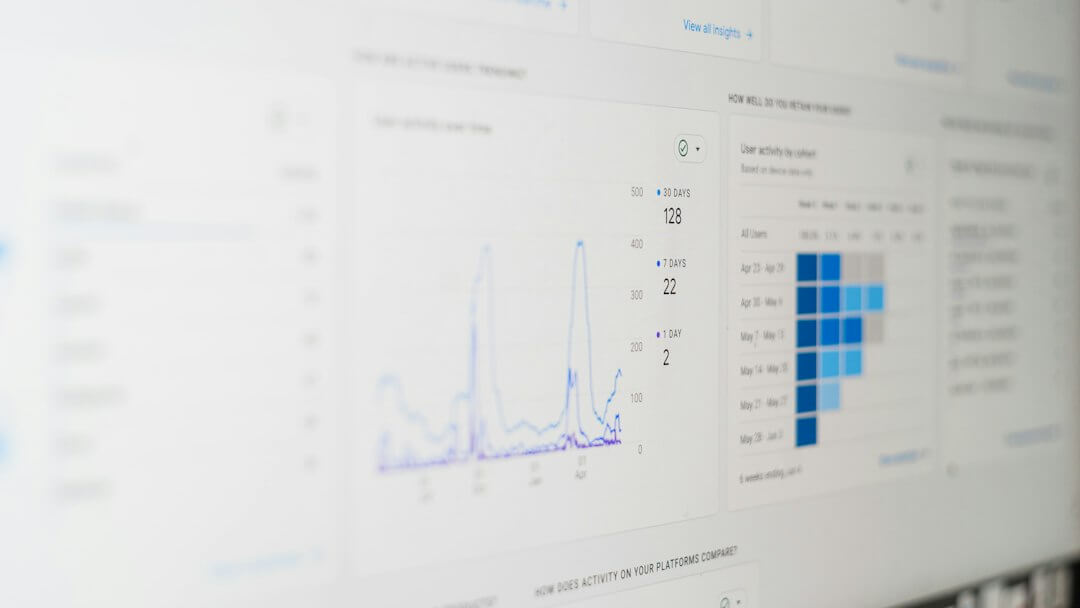
Google Analytics and Bitly are both useful here when used carefully. If you are sending paid or redirected visitors, consistent UTM tagging matters even more because attribution can otherwise blur into direct traffic.
This is one reason how to drive traffic to your website 2026 looks more measurement-heavy than older advice. Traffic only helps if you can tell which source produced a useful action.
What to do next
Pick one page on your site that already has a clear goal, then choose three channels to support it: one search-based, one audience-based, and one fast test. Add tracking before you promote, review results after a week, and keep only the channels that bring engaged visitors.
Frequently Asked Questions
What is the 80/20 rule in SEO?
The 80/20 rule in SEO means a small share of pages and actions often produce most of the results. In practice, improving your top-performing pages, best keywords, and strongest internal links usually beats spreading effort evenly across your whole site.
Can I buy click traffic for my website?
Yes, but you should be careful about quality and purpose. Bought traffic is most useful for promotion, awareness, or cold-traffic testing when the visitors are real and the campaign is tracked properly.
How long does it take to drive traffic to a new website?
Paid promotion, email, and community sharing can send visits within days. SEO and referral growth usually take longer, often several weeks to several months depending on competition and content quality.
Is social media enough to grow website traffic?
Usually not on its own. Social can help with distribution and awareness, but most sites do better with a mix of search, email, referrals, communities, and sometimes paid campaigns.
Does voice search still matter for website traffic?
Yes, especially for question-based queries and local intent. Pages with natural headings, concise answers, and clear structure are easier to surface for voice and AI-driven discovery.
What is GEO for AI search?
GEO usually refers to generative engine optimization, which means formatting and structuring content so AI systems can understand, quote, and summarize it accurately. That includes direct answers, strong headings, clear sourcing, and topical depth.
Can Web3 help drive traffic to a website?
Sometimes, but only if your audience is already active in those communities. For most businesses, Web3 is a niche referral source rather than a core traffic channel, so it should come after stronger basics like SEO, email, and community promotion.
What is the fastest way to get traffic to a landing page?
The fastest routes are usually email sends, active community distribution, short-form social content, and measured paid traffic. The page needs one clear offer and working analytics, otherwise fast traffic just produces fast confusion.