
Get More Visitors to Your Website: What Actually Works in 2026 if You Need Traffic Fast
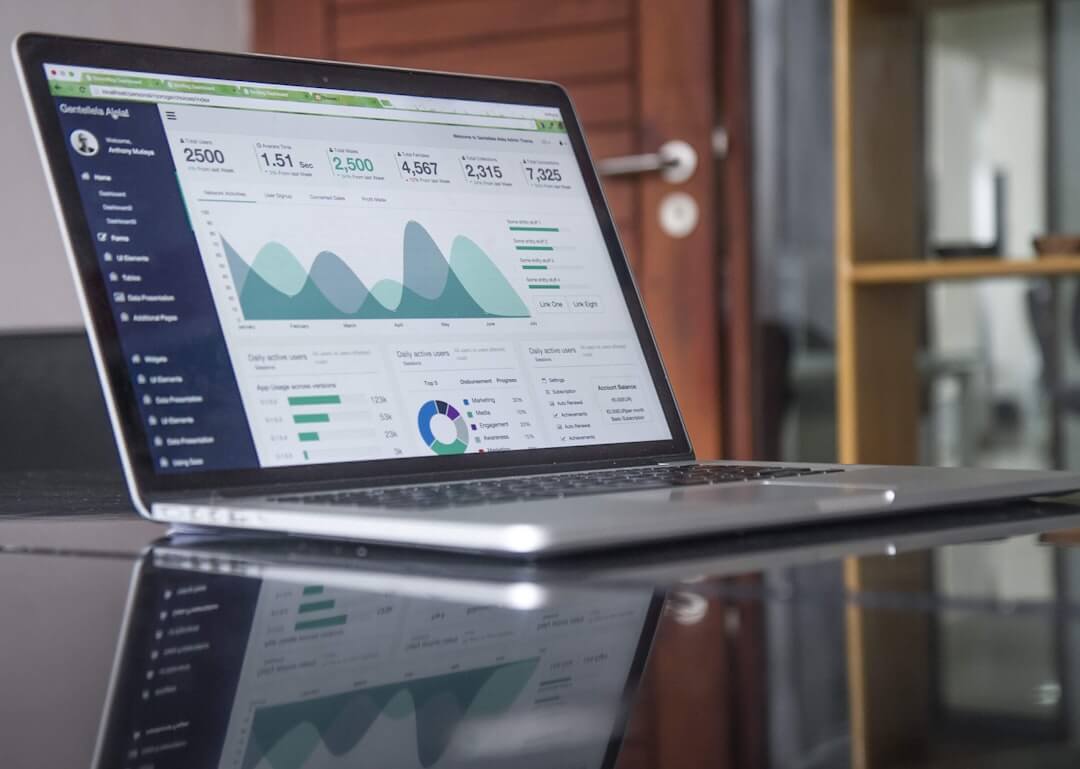
Quick answer: To get more visitors to your website, combine compounding channels like SEO, AI-friendly content, email, and short-form video with fast testing channels that bring real people to key pages now. The best strategies to get more visitors to your website 2025 and how to increase website traffic 2026 both come down to the same idea: improve a few high-intent pages, track every source, and use measured cold-traffic tests such as SimpleTraffic when you need faster feedback.
How do I increase visits to my website?

If you want more traffic, start by matching each channel to a clear job. Search brings demand capture, email brings repeat visits, video creates discovery, and paid traffic helps you test faster.
Most sites stall because they spread effort across too many pages. A better move is to focus on 3 to 5 pages that already align with a real offer, audience problem, or search intent.
Use this simple order of operations:
- Fix priority pages first: improve page speed, headline clarity, offer positioning, and internal links before chasing new channels
- Add trackable distribution: use UTM parameters for email, social, partnerships, and paid traffic so attribution is usable
- Create one repeatable traffic loop: publish, distribute, measure, refine, then send more traffic to pages that hold attention
- Test cold traffic safely: send real visitors to a focused landing page to learn whether the page works before investing more
For a broader channel mix, we covered complementary ideas in this guide to increase website traffic without guesswork.
How do I increase visitors to my website?

The short answer is that you increase visitors by improving discoverability and distribution at the same time. Good pages with no promotion stay invisible, and promotion to weak pages wastes money.
This is where strategies to increase website traffic often go wrong. People obsess over channel volume before checking whether the page can hold cold attention for even a few seconds.
Before you try to scale traffic, check these basics:
- Message match: does the page instantly match the promise made in search results, email, or social posts?
- Load speed: Google has long tied page experience to search performance, and slow pages hurt both rankings and conversions according to Google Search Central
- Mobile usability: according to Statista, mobile devices account for the majority of global web traffic, so weak mobile layouts can quietly cap growth through current mobile traffic usage data
- Next step clarity: every page needs one obvious action, not six competing ones
If you need quicker validation, services like SimpleTraffic can help you send real human visitors to a page for testing or promotion without waiting on SEO or ad approval cycles.
How to get 1000 visitors a day to your website?

Getting to 1,000 visitors a day usually comes from stacking channels, not finding one magic source. For most sites, that means a mix of organic search, AI-search visibility, short-form video, email recirculation, partnerships, and one faster paid testing layer.
A practical model is to build traffic in tiers. One tier compounds slowly, one tier distributes existing content harder, and one tier gives you immediate data.
Here is what that can look like:
Traffic tierMain purposeTypical channelsWhat to measureCompoundingLong-term growthSEO, AI-friendly content, internal linkingNon-brand impressions, assisted conversions, signupsDistributionMore reach from existing assetsEmail, LinkedIn, communities, referral partnersClick rate, engaged sessions, return visitsFast testingImmediate audience feedbackPaid social, sponsorships, real human visitor servicesBounce pattern, scroll depth, lead rate
That is also why best ways to increase website traffic 2026 usually include both owned and paid channels. Fast traffic alone does not compound, but slow channels alone do not give feedback quickly enough.
If your offer is new, start smaller. Try to get 100 high-quality visits a day to a single page before pushing for 1,000 across the whole site.
What is the 80/20 rule in SEO?

The 80/20 rule in SEO means a small share of pages, keywords, and fixes often produce most of your results. In practice, 20% of your pages may drive 80% of organic traffic, leads, or revenue.
That matters because many teams publish too much and improve too little. The fastest gains often come from updating pages already ranking on page one or two, not from creating dozens of new articles.
A useful 80/20 SEO workflow looks like this:
- Find pages with traction in Google Search Console and analytics.
- Improve intent match by tightening titles, intros, and headings around what searchers actually want.
- Add supporting proof such as examples, clearer definitions, FAQs, and source-backed claims.
- Strengthen internal links from related posts and commercial pages.
- Refresh distribution through email, short-form video, and community reposting.
This principle also applies to AI search. If you want best ways to get more visitors to website queries to work in your favor, make your strongest pages easier for both humans and answer engines to extract.
For a deeper look at measuring search-led traffic quality, our post on organic website traffic and what actually matters is a useful follow-up.
What are the 7 C's of a website?

The 7 C's are a classic website evaluation framework: context, content, community, customization, communication, connection, and commerce. Not every site needs all seven equally, but they are a practical way to spot why traffic does not turn into useful action.
Here is the framework in plain English:
- Context: how the site looks, loads, and feels to use
- Content: what information the visitor gets and how useful it is
- Community: whether users can interact with each other or with your brand
- Customization: how tailored the experience feels by segment, device, or intent
- Communication: how clearly the site guides users toward questions, forms, demos, or replies
- Connection: how well the site links to other platforms, tools, and trust signals
- Commerce: how easily users can buy, subscribe, or take the main conversion step
This old framework is still useful in 2026 because traffic problems are often really experience problems. You can drive more visits, but weak context or communication will make growth look worse than it should.
Which traffic channels work best in 2026?

The strongest traffic mix in 2026 depends on whether you need speed, compounding growth, or better testing. Most sites need a combination, not a single channel.
Here is a realistic view of the main options:
- SEO and AI visibility: best for long-term demand capture and answer-engine discovery
- Short-form video: useful for awareness and repeat exposure, especially if you repurpose page ideas into clips
- Email marketing: still one of the highest-control traffic sources because you own the audience relationship
- Communities: Discord, Slack, Reddit, and niche groups can work well when you contribute consistently instead of dropping links
- Privacy-first analytics and attribution: more important now that cookie-based tracking is weaker, so measure by landing page performance and UTMs, not platform-reported claims alone
- Paid human traffic: good for promotion, landing page testing, and multi-URL rotation when the visitors are real and the source is transparent
This is where best ways to drive traffic to website often become clearer. Instead of asking which channel is best in general, ask which channel is best for this page, this audience, and this stage of testing.
SimpleTraffic fits the fast-testing side of that mix. It is especially useful when you want real website visitors on a landing page, affiliate pre-sell page, or rotated set of URLs without committing to a complicated ad setup.
How should you measure whether more visitors are actually helping?

More visits only matter if they improve business outcomes. Raw sessions can look exciting while lead quality, conversion rate, and revenue stay flat.
A better measurement setup uses a few core metrics together:
- Source-tagged visits: track where people came from with UTMs
- Engaged sessions: check whether visitors actually stay, scroll, or trigger key events
- Page-level conversion rate: review signups, clicks, purchases, or lead form submissions by landing page
- Assisted conversions: give credit to channels that introduce visitors even if they do not convert immediately
- Cost per useful action: compare channels by cost per lead, trial start, or other meaningful outcome
For traffic services, the question is not just volume. It is whether the traffic helps you learn faster, improve the page, or create more conversions over time.
If you are testing multiple pages, rotate URLs and tag each destination separately. Tools like Bitly can help organize tracked links, and our guide on forwarded traffic in Google Analytics explains how to reduce attribution confusion.
What to do next
Pick one high-intent page on your site and improve it before you chase more channels. Then add UTMs, send a controlled batch of traffic from one or two sources, and judge the result by engagement and conversions, not visits alone.
If you want faster feedback, SimpleTraffic is a practical option for sending real human visitors to a page, especially when you need cold-traffic testing or want to promote multiple URLs without a long commitment.
Frequently Asked Questions
How long does it take to get more visitors to your website?
Fast channels can send visits within hours or days, while SEO and content usually take weeks or months to build momentum. The best approach is to combine short-term traffic tests with longer-term compounding channels.
Is buying website traffic a good idea?
It can be useful if the traffic is real, trackable, and used for testing or promotion rather than as a fake vanity metric. You should avoid bot traffic and judge results by engagement, conversions, and page performance.
Can SimpleTraffic help get more visitors to a website?
Yes, if your goal is to bring real human visitors to a page quickly for testing, promotion, or multi-URL campaigns. It works best when you tag destination URLs and review results in your analytics platform.
What is the difference between real website visitors and bot traffic?
Real visitors are human users who load and interact with your site, while bot traffic is automated and usually worthless for learning or conversion testing. Real traffic gives you usable behavior data, especially when paired with proper tracking.
Should I focus on SEO or paid traffic first?
If you need long-term growth, SEO should be part of the plan from the start. If you need quick feedback on a page or offer, paid traffic or a service like SimpleTraffic can help you test before waiting on rankings.
How many visitors does a website need before optimization matters?
Optimization matters from the first visitor because weak pages waste every traffic source. Even low-volume pages can improve significantly when the headline, offer, and next step are clearer.
What is the best metric for website traffic quality?
There is no single best metric, but engaged sessions, conversion rate, and assisted conversions are usually more useful than raw sessions alone. A channel is valuable when it helps the right people take meaningful actions.
Can I promote more than one URL at the same time?
Yes, if you use URL rotation and separate tracking tags for each destination. This is helpful for comparing landing pages, offers, or regional variants without running a separate campaign for every page.