
Get More Visitors to Your Website: A Practical 2026 Plan for Faster, Smarter Traffic Growth
Quick answer: To get more visitors to your website, focus on a few high-intent pages, improve how easily they can be found and understood, and distribute them through search, video, email, communities, and measured paid tests. For how to increase website traffic 2026 and strategies to increase website traffic, the strongest approach is to combine long-term channels with fast validation, then judge success by engagement and conversions instead of raw visits alone. If you need immediate cold-traffic feedback, SimpleTraffic can help send real human visitors to a tracked page so you can test what actually works.
How do I increase visitors to my website?

The fastest way to improve traffic is to stop trying to grow every page at once. Pick 3 to 5 pages tied to clear business goals, then improve those pages before you push more traffic to them.
That matters because traffic without direction is expensive and hard to learn from. A smaller, measured plan usually beats a broad one with vague goals.
Here is a simple priority order:
- Fix conversion readiness: make sure the page loads fast, explains the offer clearly, and gives visitors one obvious next step
- Improve discoverability: add intent-matched titles, headings, FAQs, and internal links so search engines and AI systems can understand the page
- Add distribution: send the page through email, short-form video, communities, referrals, and cold-traffic tests
- Track everything: use UTMs so you can compare which sources produce engaged users and conversions
If you want a broader traffic framework first, we covered that in our guide to getting more website traffic with search, video, communities, and fast testing.
How to get 1000 visitors a day to your website?
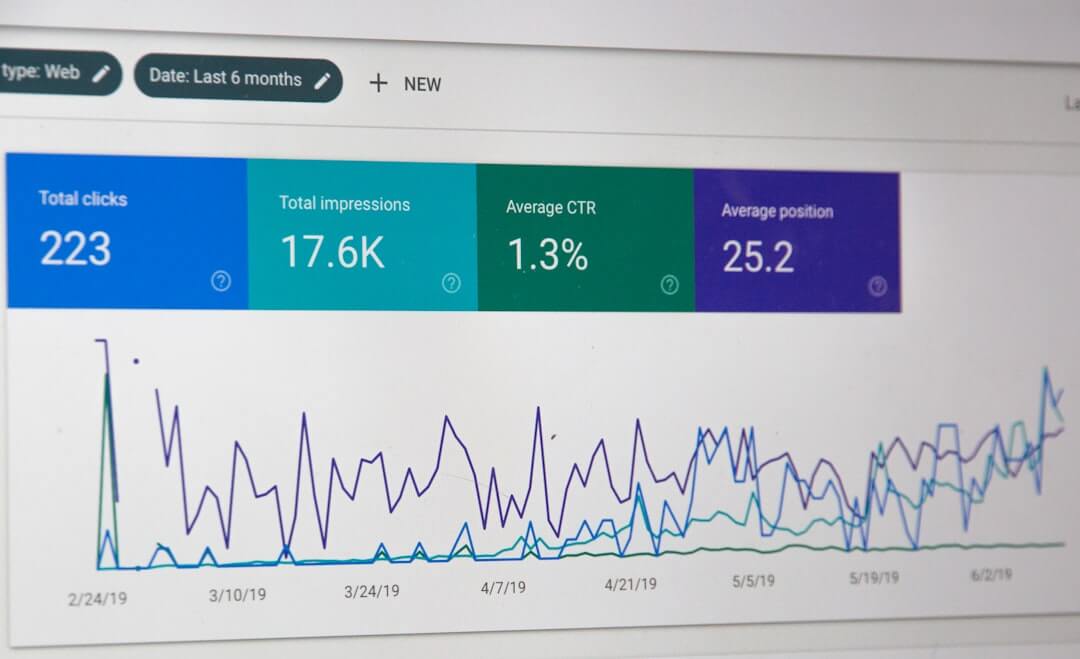
Getting to 1,000 visitors a day usually comes from stacking several channels, not finding one magic source. For most sites, that means one or two pages ranking in search, one repeatable distribution channel, and one fast testing channel.
A realistic path looks like this:
- Choose one traffic page that solves a narrow problem people already search for.
- Publish supporting content around related questions so the main page gains topical support.
- Repurpose into video for TikTok, Instagram Reels, and YouTube Shorts with one clear hook per clip.
- Distribute in communities where the topic already has active discussion, including niche Slack or Discord groups when relevant.
- Test cold traffic on the page to learn whether the offer works before waiting months for search traction.
- Scale only what converts by checking engaged sessions, signups, leads, or sales instead of raw pageviews.
According to Google research, as page load time goes from one second to three seconds, the probability of bounce increases by 32%, which means volume alone is not enough if the page experience is weak (Think with Google).
For businesses that need traffic faster, tools like SimpleTraffic make sense as a testing channel because you can send real website visitors to one or more tracked URLs without building a full ad campaign first.
What are the best strategies to get more visitors to your website in 2026?

The best strategies to get more visitors to your website 2026 are the ones that match how people actually discover sites now. Search still matters, but so do AI answers, short-form video, private communities, and privacy-aware measurement.
Here are the channels worth prioritising now:
- SEO for AI extraction: write direct definitions, question-based headings, concise answers, and clear supporting detail
- Short-form video: turn one useful page into multiple clips for TikTok, Reels, and Shorts, then link back to a focused landing page
- Community distribution: answer questions in niche forums, Slack groups, Discord communities, and email newsletters you already own
- Privacy-first measurement: use UTMs, first-party data, and server-side thinking where possible as cookie-based tracking becomes less reliable
- Fast cold-traffic testing: validate messaging, funnels, and offers with targeted human traffic before investing heavily elsewhere
This is one of the biggest gaps in older traffic advice. A lot of guides still treat SEO, social, and email as separate systems when the stronger play is to use one core page across all of them.
For example, a B2B service page can become a search article, a three-part email sequence, a short TikTok explainer, a founder post in a Slack community, and a measured cold-traffic test. That is how best ways to increase website traffic become repeatable instead of random.
Research from HubSpot's 2024 State of Marketing report shows short-form video continues to deliver one of the highest ROI levels among content formats, which is why video-led distribution deserves a place in modern traffic plans.
What is the 80 20 rule of SEO?
The 80 20 rule of SEO means a small portion of your pages often produces most of your search traffic. In practice, 20% of your content may drive 80% of visits, leads, or revenue.
That is useful because it tells you where to focus first. Instead of publishing endlessly, improve the pages already showing traction or tied to valuable intent.
Look for these opportunities:
- Pages on page two: these often need better internal links, sharper headings, or stronger supporting detail
- Pages with impressions but low clicks: these usually need better titles and meta descriptions
- Pages with traffic but weak conversion: these need offer, layout, trust, or CTA fixes
- Pages with high engagement: these are good candidates for repurposing into video, email, and community posts
This rule also applies to channels. Often, one email list segment, one referral partner, or one short-form content theme ends up producing a disproportionate share of traffic.
If you are working out where traffic quality really comes from, our post on what website traffic means and which trends matter in 2026 breaks down the measurement side.
What is the 3 second rule in website design?
The 3 second rule is the idea that visitors make an early stay-or-leave decision very quickly. If your page feels slow, confusing, or cluttered, many users will bounce before they understand the offer.
This matters even more with cold traffic. People who do not know your brand will not work hard to figure out what you mean.
Before you try to buy or earn more traffic, check these basics:
- Load speed: compress images, reduce script bloat, and test key pages on mobile
- Message clarity: say what the page is about in the first screen without scrolling
- Visual hierarchy: use one main headline, one supporting point, and one primary CTA
- Trust signals: add reviews, testimonials, policy links, pricing context, or product proof where relevant
Google's Core Web Vitals guidance remains useful here because speed and visual stability affect user experience in measurable ways (Google Search Central).
If your page fails this test, more traffic will usually just make the problem easier to see.
How do I get more people to go to my website without waiting months?

If you need faster results, use a mixed timeline. Build long-term traffic assets like search pages and email capture, but pair them with quicker channels that can produce data this week.
A practical short-term plan often includes:
ChannelSpeedBest useMain metricSEO contentSlow to mediumCompounding discoveryQualified clicksEmailFastRe-engaging existing audienceClick rate and conversionsShort-form videoFast to mediumReach and awarenessProfile clicks and landing page visitsCommunitiesFastTargeted niche trafficEngaged sessionsHuman paid trafficFastOffer and page testingConversion rate and cost per result
This is where SimpleTraffic fits naturally. If your goal is fast feedback, it can send targeted traffic from link shorteners, monetized sites, and parked domains to a page you want to test, and you can rotate URLs if you want to compare multiple pages.
The key is to treat paid traffic as a measurement tool, not a vanity metric. Use UTMs, watch behavior in analytics, and decide whether the page deserves more investment.
If you rely on redirects or forwarded links, make sure attribution is set up properly. We explained the fixes in our guide to tracking forwarded traffic in Google Analytics.
What to do next
Pick one page that matters to your business and give it a real test. Improve the page, add UTMs, publish one supporting asset in search or video, and if you need quick feedback, send measured cold traffic through a service like SimpleTraffic so you can learn faster from actual visitors.
Frequently Asked Questions
How do I increase visits to my website?
Start by improving a small number of pages that already match a real user need. Then distribute those pages through search, email, video, communities, and a tracked paid test if you need faster data.
What is the 80/20 rule in SEO?
It means a small share of pages or actions usually produces most of your SEO results. The practical takeaway is to focus on upgrading high-potential pages before creating lots of new low-impact content.
Can paid traffic help me get more visitors to my website?
Yes, if the traffic is real and you use it for testing, promotion, or short-term visibility. It works best when you measure engagement and conversions rather than treating visits alone as success.
Is SimpleTraffic useful for website traffic growth?
SimpleTraffic can be useful when you need fast, measurable human traffic for cold-traffic testing or promoting one or more URLs. It is most effective when paired with UTM tracking, clear landing pages, and realistic conversion goals.
How can I tell if website visitors are high quality?
Look at engagement rate, time on page, scroll depth, conversion rate, and return visits instead of only session totals. High-quality traffic usually shows stronger interaction and clearer intent.
Should I focus on SEO or faster traffic sources first?
Most sites should do both, but in different roles. SEO builds compounding visibility over time, while faster sources help you test messaging, offers, and page performance right away.
Do I need Google Analytics to measure traffic results?
You do not absolutely need it, but you do need some reliable analytics setup. Google Analytics, UTMs, and link tracking tools such as Bitly help you compare sources and see what actually produces useful actions.
What is the safest way to test cold traffic?
Send visitors to one focused page with a clear goal, use tagged URLs, and start with a small budget. Review behavior and conversions before scaling, and avoid any service that cannot explain its traffic sources or quality standards.