
Can You Buy Visitors for a Website Subscription Model? Yes, but Only if You Treat It as Measured Testing

Quick answer: Yes, you can buy visitors for website subscription model offers, but it only works when the traffic is real, clearly measured, and matched to a specific subscription goal. The safest approach to buy website visitors subscription model campaigns is to treat them as testing, not as proof of product-market fit, and to watch paid traffic for subscription websites through conversion and retention metrics instead of visits alone.
Can I buy traffic for my website?
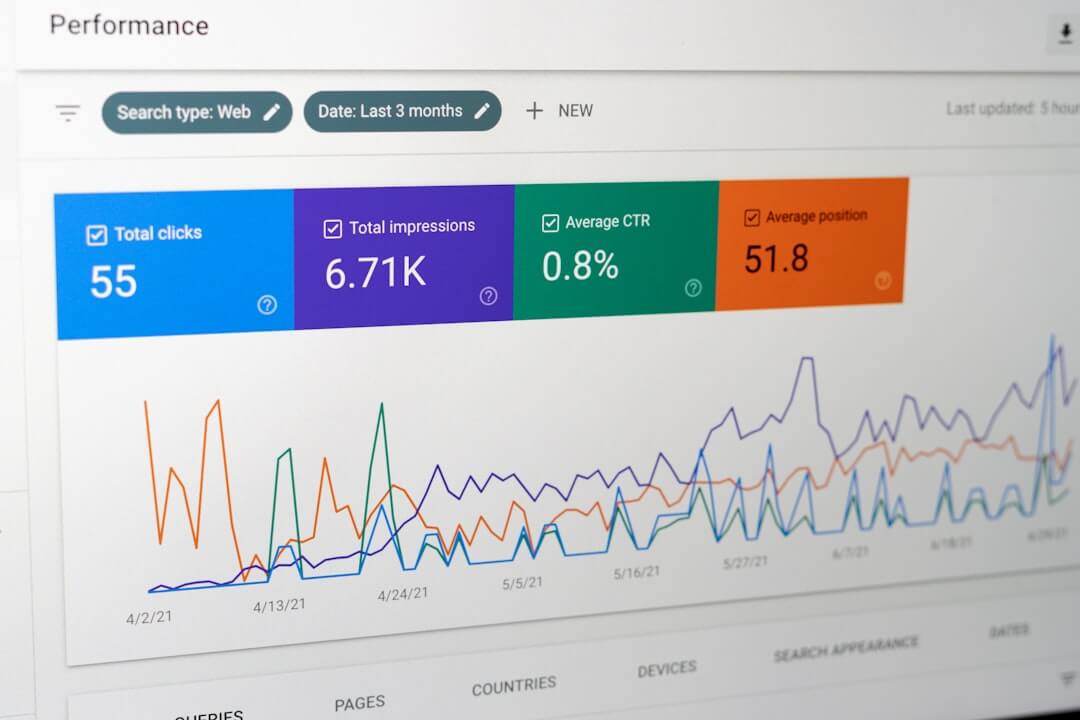
Yes, you can buy traffic for your website, and for subscription businesses it can be a useful way to pressure-test landing pages, trial flows, and offer positioning.
The important part is not the purchase itself. It is whether you are buying real human visitors, disclosing data honestly inside your business, and measuring what those visitors actually do after they arrive.
For a subscription site, bought traffic is usually most useful for:
- Landing page testing: checking whether your headline, pricing, or signup flow gets cold visitors to start a trial
- Offer validation: seeing which plan, bonus, or CTA gets the better response
- Geo-targeted promotion: testing response by country or region before you spend more on harder channels
- Traffic rotation: sending visitors to multiple pages to compare results without building separate campaigns each time
Services like SimpleTraffic fit this use case when you need quick, measurable cold traffic and want flexibility around targeting, URL rotation, and cancellation.
How do subscription models work?

A subscription model turns a one-time visitor into recurring revenue through repeat billing, whether that is monthly, quarterly, or annually. That means traffic quality matters more than raw sessions, because a subscriber has to understand the offer, trust it, and keep paying.
This is why buy website traffic subscription model campaigns should be judged differently from traffic sent to a blog, a local service page, or a simple ecommerce product page.
The core subscription funnel usually looks like this:
- Visit: a person lands on your page from a paid, organic, referral, or direct source
- Interest: they read the offer, pricing, positioning, and proof
- Action: they start a trial, join a list, or create an account
- Conversion: they become a paying subscriber
- Retention: they keep using the product or content and do not churn quickly
According to research from Harvard Business Review, retention often has a disproportionate effect on profitability, which is why subscription traffic should never be judged on visit counts alone.
What are the short-term gains and long-term risks of bought traffic for subscription websites?

Bought traffic can create useful short-term wins, but it can also create false confidence if you treat visits as success. For subscription businesses, the long-term consequences depend on traffic quality, setup, and internal expectations.
In the short term, buy website traffic for subscription model campaigns can help you:
- Get fast feedback: learn quickly whether a cold audience understands your offer
- Test conversion points: compare headlines, forms, plans, and onboarding paths
- Fill data gaps: generate enough sessions to spot obvious UX or messaging issues
- Support launches: send attention to a new subscription page while slower channels build up
The risks show up when teams overread the signal.
If the visitors are low intent, badly matched, or partly non-human, your session counts rise while trial starts, paid conversions, and retention stay weak. That can make a weak offer look healthy for a week or two and waste time that should have gone into product, onboarding, or messaging fixes.
Here is the simplest way to compare the tradeoff.
FactorShort-term upsideLong-term riskTraffic volumeMore visits quicklyVanity metrics can hide low intentConversion testingFaster landing page learningWrong conclusions if source quality is poorSocial proof opticsPages may appear busier internallyTeam may mistake traffic for demandFunnel dataMore sessions for analytics reviewDirty data can distort CAC and conversion rateGrowth planningUseful for early experimentsDangerous if used as a main acquisition strategy
A 2024 Statista summary of subscription ecommerce trends notes that recurring-revenue businesses depend heavily on retention and customer lifetime value, not just initial acquisition bursts. That is why traffic quality matters more than surface growth for this model.
What legal and ethical issues should you consider before buying visitors?

Buying visitors is not automatically illegal, but the legal and ethical details depend on how the traffic is sourced, how it is represented, and what platforms or stakeholders you report it to.
The first issue is truthfulness. If you buy traffic and then present inflated visit numbers to advertisers, investors, partners, or clients without context, that crosses into misrepresentation.
The second issue is platform compliance.
If you use bought traffic to influence ad network thresholds, affiliate program requirements, or marketplace performance standards, you need to check the relevant rules carefully. We covered the compliance side in more detail in our guide to safe site traffic services for affiliate marketing.
The third issue is user trust. If a subscription brand creates an illusion of broad demand with weak or fake traffic, real users may question testimonials, member counts, or community activity if the numbers and behavior do not match.
A practical ethical checklist looks like this:
- Use real human traffic: avoid bot-heavy or fake engagement services
- Disclose internally: make sure your team knows which visits came from purchased campaigns
- Report honestly: separate paid test traffic from organic growth in dashboards and updates
- Respect policies: check ad, affiliate, and partner rules before sending bought visitors into those systems
- Protect user trust: never fake community activity, subscriber counts, or engagement signals
How should you measure bought traffic on a subscription website?

This is where many campaigns fail. People ask whether they can buy website traffic subscription plans, but the smarter question is whether their analytics setup can tell good traffic from bad traffic.
For subscription sites, basic pageviews are not enough. You need to separate human cold traffic from everything else and watch what happens after the first session.
Track at least these metrics:
- Trial start rate: percentage of visitors who begin a free trial or signup
- Paid conversion rate: percentage who become paying subscribers
- Cost per trial: traffic spend divided by trial starts
- Cost per paid subscriber: traffic spend divided by paid conversions
- Early retention: percentage who remain active after 7, 14, or 30 days
- Bounce and engagement patterns: quick indicators of weak source match or page friction
If you use Google Analytics or Universal Analytics alternatives, create distinct UTM parameters for every paid test. Then compare behavior against organic, email, and referral users instead of looking at the paid segment in isolation.
A useful setup includes:
- Tag every destination URL with source, medium, campaign, and content values
- Build audience segments for purchased human traffic versus other sources
- Exclude known internal traffic so your own team does not contaminate results
- Track subscription events such as signup, trial start, checkout, activation, and renewal intent
- Review assisted conversions to see whether bought visitors come back later through another channel
If redirected visits are part of your setup, our guide on whether forwarded traffic counts in Google Analytics explains how attribution can get lost and how to fix it.
How can I get people to subscribe to my website?

Traffic alone will not make a subscription business work. What turns visitors into subscribers is a clear value exchange, a low-friction first step, and enough trust for someone cold to take action.
The Nielsen Norman Group has long found that users make fast judgments about page clarity and credibility, which means your page has to explain the offer almost immediately.
If you plan to use paid traffic for subscription based website testing, improve these areas first:
- Headline clarity: say what the subscriber gets and for whom
- Pricing transparency: reduce ambiguity around billing, trial terms, and cancellation
- Proof elements: include testimonials, screenshots, trust signals, or product outcomes
- CTA focus: give one obvious next step instead of several competing options
- Onboarding speed: make the first win happen quickly after signup
A polished layout matters too. According to older but widely cited research highlighted by Adobe, 38% of people stop engaging with a website if the layout or content is unattractive, which is one reason weak design can waste bought traffic before your offer even gets a fair test.
If you need help improving the page before you buy traffic, our article on the best way to promote a landing page without ads covers the basics of offer clarity, distribution, and tracking.
How do you know whether bought visitors are helping or hurting your subscription model?

The answer shows up in cohort behavior, not in traffic spikes. If bought visitors subscribe, activate, and retain at a reasonable level for their cost, the traffic may be doing its job.
If they bounce fast, convert poorly, or churn immediately, you are probably buying noise instead of learning.
Here are the clearest signs bought traffic is helping:
- Conversion lift: one page, offer, or segment performs better than your baseline
- Usable insights: you identify specific friction points to fix
- Reasonable retention: paid subscribers from the test stay longer than a single billing cycle
- Clean attribution: your analytics can isolate the source confidently
And here are warning signs it is hurting:
- Session inflation: visits rise but trial starts do not
- Messy analytics: referral loss or bad tagging makes the source unreadable
- Trust issues: internal teams begin using bought traffic as proof of traction
- Poor retention: users convert cheaply but cancel almost immediately
For many teams, the sweet spot is to use buy website visitors subscription model services for controlled experiments while keeping SEO, email, partnerships, and product-led growth as the long-term engine.
What to do next
Pick one subscription landing page, define one success metric such as trial starts or paid conversions, and run a small tagged traffic test before changing anything else. If you want a simple way to do that with real human visitors and flexible targeting, SimpleTraffic is a practical option to test, as long as you measure results honestly.
Frequently Asked Questions
How to get 1000 website visitors per day?
You can get 1000 website visitors per day through a mix of SEO, email, referrals, social distribution, and paid traffic. If speed matters, bought human traffic can help fill the gap, but for a subscription model it only matters if those visitors lead to trials, paid conversions, or retention.
How to make money from a subscription model?
A subscription model makes money when customer lifetime value stays higher than acquisition and service costs. That usually depends on strong onboarding, clear recurring value, and retention, not just a high number of first-time visitors.
Will 38% of people stop engaging with a website if the content layout is unattractive?
This figure is widely cited from Adobe research and is often used to show how strongly design affects attention. It should be treated as directional rather than as a universal rule, but the underlying point is solid: weak design can reduce engagement fast.
What are the 7 C's of a website?
The 7 C's are commonly listed as context, content, community, customization, communication, connection, and commerce. Not every framework uses the exact same wording, but the idea is that good websites combine usability, clear information, interaction, and business purpose.
How to turn website visitors into paying customers?
Start by matching the page to one clear intent, then remove friction from the path to signup or checkout. For subscription sites, focus on offer clarity, trust signals, trial experience, and follow-up retention instead of trying to optimize everything at once.
What is a good number of website visitors per month?
There is no universal good number because it depends on your business model, margins, and conversion rate. For a subscription website, 1,000 qualified visitors can be more valuable than 50,000 weak visits if the smaller group converts and stays.
Can bought traffic help SEO for subscription websites?
Bought traffic does not directly improve rankings in the way good content, links, and technical SEO do. It can still help indirectly by giving you faster conversion feedback on pages you also plan to grow through organic search.
Is buying visitors for a SaaS or membership site risky?
It can be risky if the traffic is fake, badly matched, or used to create misleading reports. It is far safer when the traffic is real, segmented clearly in analytics, and treated as a testing channel rather than a growth shortcut.
Should I buy monthly traffic subscriptions or one-off campaigns?
A one-off test is usually the smarter starting point because it gives you data without locking you into a recurring spend. Move to a monthly setup only after you know the traffic quality is real and the subscription funnel can convert it at an acceptable cost.
Is SimpleTraffic a good fit for subscription model traffic tests?
SimpleTraffic can be a good fit when you want real human visitors, targeting control, URL rotation, and easy cancellation for short test cycles. It makes the most sense for measured traffic experiments, not as a replacement for product quality, SEO, or retention work.