
Best Website Traffic Source: Which Channels Actually Work in 2026?
Quick answer: The best website traffic source for most businesses is still organic search, but the best website traffic sources 2026 usually come from a mix of search, email, referrals, AI discovery, and measured paid campaigns. The right choice depends on whether you need long-term compounding traffic, fast testing, or the highest converting website traffic sources for a specific offer. If you need quick cold-traffic testing alongside longer-term growth, services like SimpleTraffic can play a useful supporting role when tracked properly.
What is the best traffic source?
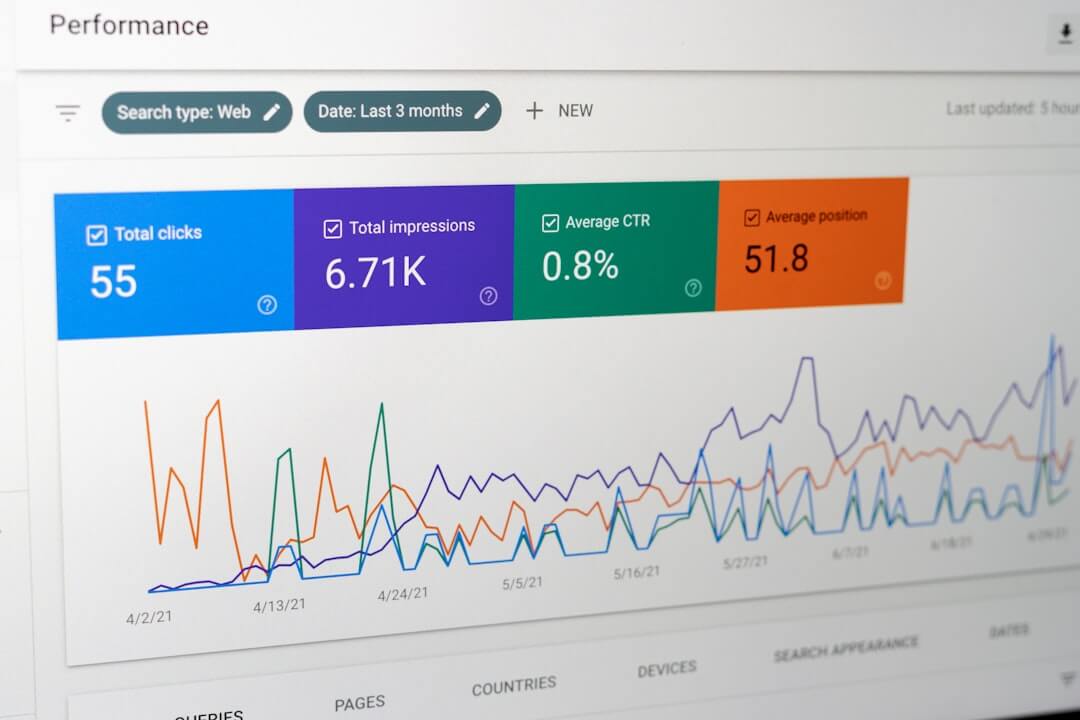
For most websites, organic search is the strongest overall answer because it brings high-intent visitors and compounds over time.
That said, there is no single winner for every business, which is why the most effective website traffic sources depend on your goal, timeline, and how well you measure results.
A simple way to think about it is this:
- Organic search: best for long-term, high-intent discovery
- Email: best for returning traffic, retention, and repeat conversions
- Referral and partnerships: best for trust and qualified audiences
- AI discovery traffic: best for topic authority and answer-driven visibility
- Paid search and paid social: best for speed, testing, and controlled acquisition
- Direct and branded traffic: best as a signal of existing demand, not a source you can create from nothing
According to Google's documentation on traffic sources in Google Analytics, acquisition data works best when you separate source, medium, and campaign instead of treating all visits the same.
That matters because a channel with fewer sessions can still be the better source if it drives stronger assisted conversions or more qualified leads.
What are the main sources of website traffic?
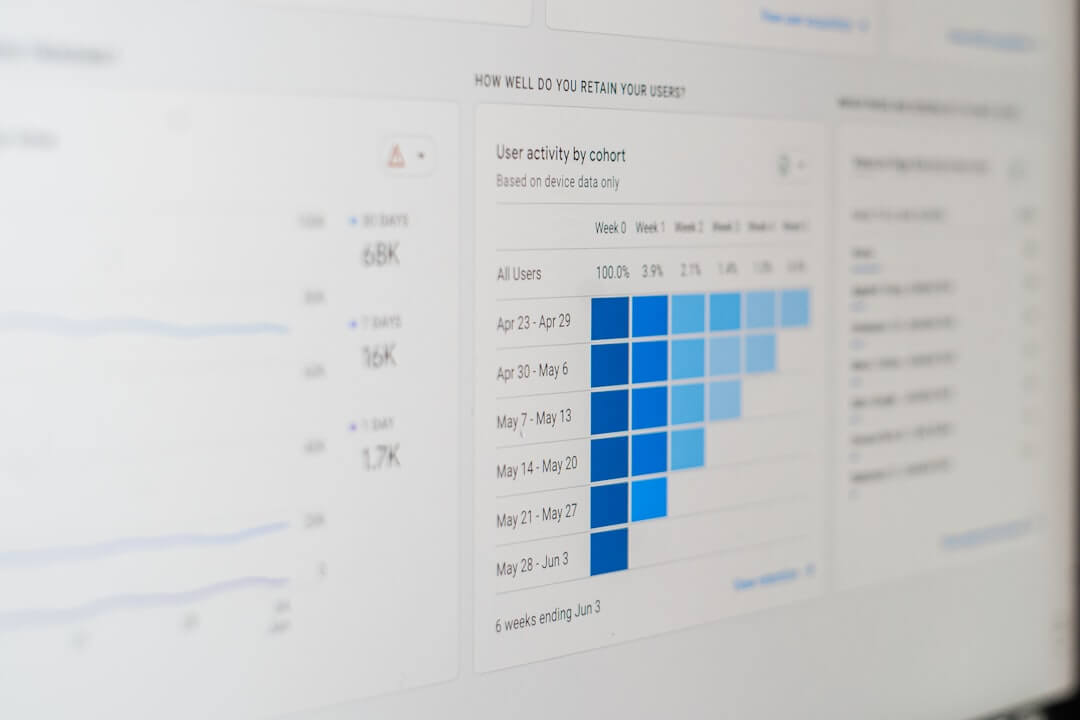
Most websites get traffic from six core buckets, and each behaves differently.
If you are comparing the top sources of website traffic, start with how each source fits user intent rather than just volume.
Here is a practical comparison:
Traffic sourceBest use caseStrengthLimitationOrganic searchHigh-intent evergreen trafficCompounds over timeSlow to buildEmailNurture and repeat visitsHigh control and retentionNeeds an audience firstReferralTrust-based discoveryOften strong qualityHarder to scale predictablyAI and LLM referralsAnswer-driven discoveryGrowing visibility channelAttribution is still messyPaid searchBottom-funnel demand captureFast and measurableCosts rise quicklyPaid socialDemand generation and testingGood creative feedbackCan be lower intentDirect trafficBrand familiarityOften strong engagementUsually reflects other channels
Research from Pew Research Center and major publisher reporting has shown audience discovery continues to fragment across search, social, messaging, and AI-assisted environments.
That means the old idea of one dominant source is getting weaker, even if search still leads for many businesses.
What is the best way to get traffic to my website?
The best way to get traffic to your website is to pair one long-term channel with one short-term testing channel.
For most teams, that means building search visibility while using email, referrals, or paid tests to learn faster.
A practical framework looks like this:
- Choose one core page that matches a clear search or buyer intent.
- Optimize for discovery across Google, AI answers, and referral sharing.
- Add tracking with UTMs so source quality is visible.
- Test one fast channel such as paid search, newsletter sponsorships, or measured cold traffic.
- Review conversion quality instead of traffic volume alone.
- Scale only what proves useful by lead quality, revenue, or assisted conversions.
If you want a broader traffic plan, we covered that in our guide to getting more visitors to your website in 2026.
When speed matters, a paid human-visitor source can help test headlines, landing pages, or offers before you wait months for organic lift.
That is where SimpleTraffic can fit as a practical supplement, especially for cold-traffic experiments, URL rotation, and quick promotion of one or several pages.
How do you compare the highest converting website traffic sources?

Conversion rate alone can be misleading because channels assist each other.
The highest converting website traffic sources often look different depending on whether you measure first click, last click, or blended revenue impact.
Use these metrics together:
- Conversion rate: the share of visitors who complete your goal
- Cost per acquisition: what it costs to get that result
- Assisted conversions: how often the source influences a later conversion
- Engaged sessions: whether visitors actually interact with the page
- Revenue per visit: useful for ecommerce and subscription offers
- Time to conversion: how quickly visitors act after arriving
This is especially important in a multi-touch journey.
Someone may first find you through search, come back from an email, and finally convert after a direct visit or branded query.
According to Google Analytics attribution guidance, different attribution models can change how much value each channel appears to generate.
For that reason, the top website traffic channels comparison should always include both direct conversions and assisted impact.
Are AI and LLM referrals becoming one of the best website traffic sources 2026?

Yes, for some topics they already matter enough to deserve separate tracking.
AI referrals from ChatGPT, Perplexity, Gemini, and Claude are not yet the largest source for most sites, but they are becoming one of the best website traffic sources 2026 for pages that answer specific questions clearly.
These visits often behave more like referral or assisted-discovery traffic than classic search clicks.
They can be valuable because the user arrives with context and a more defined information need.
To improve this source, focus on:
- Clear definitions: answer the question near the top of the page
- Question headings: structure sections around natural queries
- Specific facts: include named sources and dates
- Short paragraphs: make extraction easier for answer engines
- Strong page intent: keep the topic tightly matched to the keyword
If your analytics setup is weak, some LLM visits may end up mixed into referral, direct, or unassigned traffic.
That is one reason privacy-safe measurement and clean UTM discipline matter more now than they did a few years ago.
Is there a way to track how much traffic a website gets?

Yes, but the answer depends on whether you mean your own site or someone else's.
For your own website, first-party analytics tools give the most accurate picture because they can see sessions, engagement, and conversions directly.
For your own site, track these basics:
- Users and sessions: to understand reach and visit volume
- Source and medium: to see where visits come from
- Engaged sessions: to separate useful traffic from weak traffic
- Conversions: to judge business value
- Tagged campaigns: to avoid misattribution from redirects or forwarding
For privacy-first measurement, many teams now pair traditional analytics with simpler first-party setups as third-party cookies become less reliable.
If you are dealing with redirected or forwarded visits, our article on how forwarded traffic shows up in Google Analytics explains why attribution often breaks.
If you use paid visitor sources, make sure every destination URL includes campaign parameters and a clear conversion event.
SimpleTraffic supports this kind of setup well because you can rotate URLs and test tagged links rather than sending all traffic blindly to one page.
How should you balance organic, paid, referral, and cold traffic?

The smartest plan is usually a portfolio, not a single source.
If you are evaluating the most effective ways to drive website traffic, think in terms of job-to-be-done rather than channel loyalty.
A simple split for many small businesses looks like this:
- Organic search: your long-term foundation
- Email: your retention and reactivation channel
- Referrals and communities: your trust and relevance channel
- Paid search or paid social: your controlled testing channel
- Cold human traffic: your speed-to-data channel for landing pages and offers
Cold traffic is not a replacement for search or email.
It is useful when you need fast feedback, want to validate a page, or need an affordable way to promote multiple URLs without building a full ad system first.
This matters most when your offer is new and you do not want to wait for rankings, backlinks, or an audience to build before learning what converts.
What to do next
Pick one primary traffic source for growth and one supporting source for faster testing. Then tag every campaign, watch engagement and conversions by source, and keep the channels that bring real business value. If you need quick human traffic for measured tests, SimpleTraffic is worth considering alongside your longer-term search and email work.
Frequently Asked Questions
How to get 1000 website visitors per day?
You usually reach 1,000 daily visitors by combining channels rather than relying on one. For most sites, that means a base of organic search plus active distribution through email, referrals, social, and measured paid traffic.
What is the best website to check website traffic?
For your own site, first-party analytics is the most reliable option because it shows real sessions, sources, and conversions. For other websites, third-party estimates can be directionally useful, but they are not exact.
What is the best way to get website traffic?
The best way is to match the channel to the goal. Organic search is usually strongest for long-term growth, while email, referrals, and paid testing help you learn and convert faster.
What is the best way to get traffic to your website?
Start with one high-intent page, one clear offer, and clean campaign tracking. Then use a mix of search, email, referral exposure, and small paid tests to learn which visitors actually convert.
Which traffic source converts best?
Email often converts best when the audience already knows you, while organic search often performs well for high-intent problem-solving queries. Paid and cold traffic can convert well too, but only when the landing page, offer, and targeting are tightly aligned.
Is organic search still the best website traffic source in 2026?
For most businesses, yes, because it compounds and often attracts strong intent. But the best overall setup in 2026 usually combines search with email, referrals, AI discovery, and carefully tracked paid traffic.
Are paid website visitors worth it?
They can be worth it for testing, promotion, and faster data collection if the visitors are real and the campaign is measured properly. They are less useful when treated as a shortcut for trust, product-market fit, or long-term brand growth.
How do I know if a traffic source is good quality?
Look beyond session counts and review engaged sessions, bounce patterns, conversion rate, assisted conversions, and revenue per visit. A smaller source can be more valuable than a bigger one if visitor intent is stronger.
Can AI referral traffic be tracked accurately?
Partly, but not perfectly. Some AI visits are visible as referrals, while others may appear as direct or unassigned unless your analytics setup, UTMs, and attribution rules are clean.