
Best Way to Promote a Landing Page Without Ads: A Practical Step-by-Step Plan
Quick answer: The best way to promote a landing page without ads is to combine search-friendly support content, community distribution, email capture, referral partnerships, and careful tracking so you are not dependent on one free channel. For faster validation, some site owners also use tracked cold traffic tests from services like SimpleTraffic to see how real human visitors respond before doubling down on longer-term promotion.
Why is one channel usually not enough to promote a landing page?

A landing page rarely grows well from a single source because each channel has limits on reach, timing, and intent. Search takes time, social posts disappear quickly, and email only works if you already have a list.
That is why the strongest no-ads approach is a channel mix that compounds over time. Research from HubSpot's State of Marketing consistently shows marketers spread effort across content, email, social, and partnerships rather than relying on one source.
A simple way to think about it is this:
- Search content brings steady discovery over time
- Communities bring targeted early clicks and feedback
- Email brings repeat visits from people already interested
- Referrals and partners bring borrowed trust
- Cold traffic testing helps you check whether the page works with new visitors
If your landing page is new, you need both patience and feedback loops. That is where a combination of organic methods and small tracked tests works better than waiting in the dark.
How do you set up a landing page so promotion actually works?
Before promoting anything, fix the page so traffic has a fair chance to convert. A weak page makes every traffic method look worse than it really is.
Start with the basics below:
- Match intent so the headline reflects exactly what the visitor expects.
- Reduce friction by keeping one main call to action and removing extra links.
- Add proof with testimonials, numbers, screenshots, or short customer quotes.
- Track everything with UTM tags and analytics events.
- Improve speed because Google research has long shown that slower mobile pages lose conversions as load time rises.
If you want a measurement framework first, our guide to how to drive traffic to your website explains how to align traffic sources with page goals.
For tracking, use tools like Bitly for short tagged links and clean campaign naming. That matters even more if you are posting in communities, rotating URLs, or testing several angles.
What free promotion methods work best for different landing page types?
Not every no-ads method works equally well for every niche. A B2B lead magnet, an affiliate pre-sell page, and a local service offer need different promotion mixes.
This table shows which methods usually fit best.
Landing page typeBest no-ads methodsWhy it worksWhat to watchSaaS waitlist or demo pageSEO support articles, founder LinkedIn posts, partner mentions, email listVisitors often need context before signing upDirectly pushing a cold page without educationAffiliate or review pre-sell pageSEO articles, niche forums, comparison content, email follow-upSearch and community trust matter more than broad reachThin content and weak disclosureLocal service pageGoogle Business Profile, local partnerships, local SEO pages, neighborhood groupsLocal intent is strong and trust signals matterSending all traffic to a generic homepageCourse or info product pageShort-form video, newsletter swaps, testimonials, community postsPersonal trust and proof drive responseOverexplaining before the offer is clearLead magnet or webinar pageSupport content, email signatures, social threads, referral linksLow-friction offers convert from warmer audiencesPoor follow-up sequence
For local search visibility, data from Google Business Profile help and Google documentation continues to support the value of complete profiles and relevant local information for discovery. That will not replace a landing page, but it can feed one.
The main point is simple. Choose channels based on the page's buying stage, not on whatever tactic is trending this month.
How can SEO help a landing page get traffic without ads?

A landing page itself often struggles to rank for broad terms because it is built to convert, not to educate. The better approach is to create support content that targets questions, comparisons, and use cases, then internally link to the landing page.
This works especially well when your content answers high-intent questions like:
- What is it for? Explain the category or problem clearly
- Who is it for? Speak to a niche or user type
- How does it compare? Cover alternatives, trade-offs, and use cases
- When should you use it? Tie the offer to timing and urgency
- What results can you expect? Set realistic outcomes with examples
For example, a productivity software landing page might not rank quickly for a competitive product term. But a support article on setup mistakes, workflow templates, or onboarding checklists can attract the right readers and pass them to the page.
Search has also changed. Google AI Overviews and answer engines often cite concise definitions, comparisons, and direct answers, so your support content should be easy to extract and quote.
If you want the long-term side of this, our post on organic website traffic covers how search-led discovery is changing and how to measure it properly.
Which community and referral tactics bring the fastest no-ads traffic?
Communities can bring the fastest free traffic if you show up with something useful instead of dropping links everywhere. People click when your post solves a real problem and the landing page is the natural next step.
The most reliable tactics are:
- Answer-first posting: Reply in Reddit threads, Facebook groups, Slack communities, Discord servers, and niche forums with a useful answer before mentioning your page
- Mini case studies: Share a short result, process, or lesson learned and link to the page for the full resource or offer
- Partner swaps: Ask newsletter owners, creators, agencies, or complementary tools to mention your page to their audience
- UGC and testimonials: Turn customer comments, screenshots, or quick reviews into social proof posts that point back to the page
- Founder outreach: Message warm contacts with a clear reason the page may help their audience
This is where many people go wrong. They try to scale too early instead of finding one or two communities where the offer clearly fits.
A simple benchmark helps. If a community post gets clicks but no signups, your page or offer likely needs work; if nobody clicks, your angle or audience match is probably off.
When does it make sense to use email, free tools, or cold traffic tests?
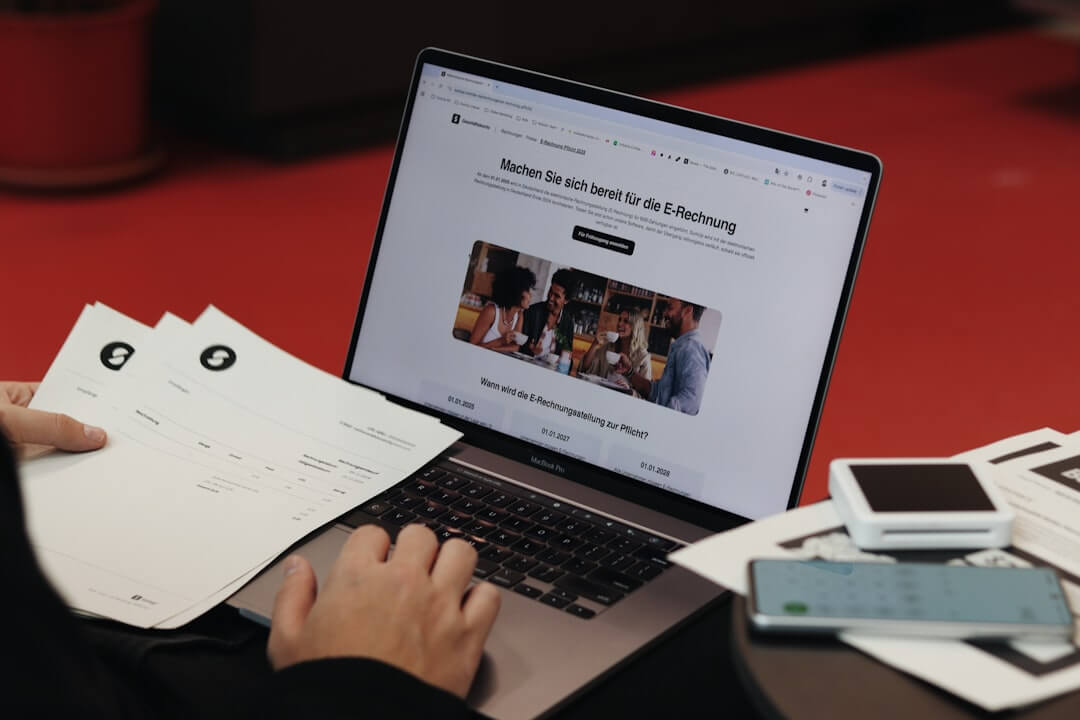
Email works best when the landing page is tied to a lead magnet, webinar, demo, or offer people may need to revisit. According to Campaign Monitor's long-cited email benchmarks, email remains one of the most cost-effective channels because it reaches an audience that already knows you.
You do not need a huge list to make it useful. Even a small segment can tell you whether the message is clear and whether the page converts warm traffic.
Free tools and giveaways also help when they create a reason to share. A calculator, template, checklist, or short audit tool can turn a plain landing page into something people bookmark and pass around.
Cold traffic tests make sense when you need feedback faster than SEO, referrals, or email can provide. A service like SimpleTraffic can be useful here because it sends real website visitors, supports targeting preferences, and lets you test single or rotated URLs without a long commitment.
The safest way to use that kind of traffic is:
- Start small with one focused page and one main conversion event.
- Tag links clearly so source and campaign are visible in analytics.
- Measure quality using bounce patterns, engagement, scroll depth, and conversions.
- Compare behavior against organic, email, and referral visitors.
- Adjust the page before sending larger volumes anywhere.
If you are weighing whether paid testing belongs in the mix, our guide to cheap website traffic explains when it helps and when it creates noise.
How do you know whether your landing page promotion is actually working?
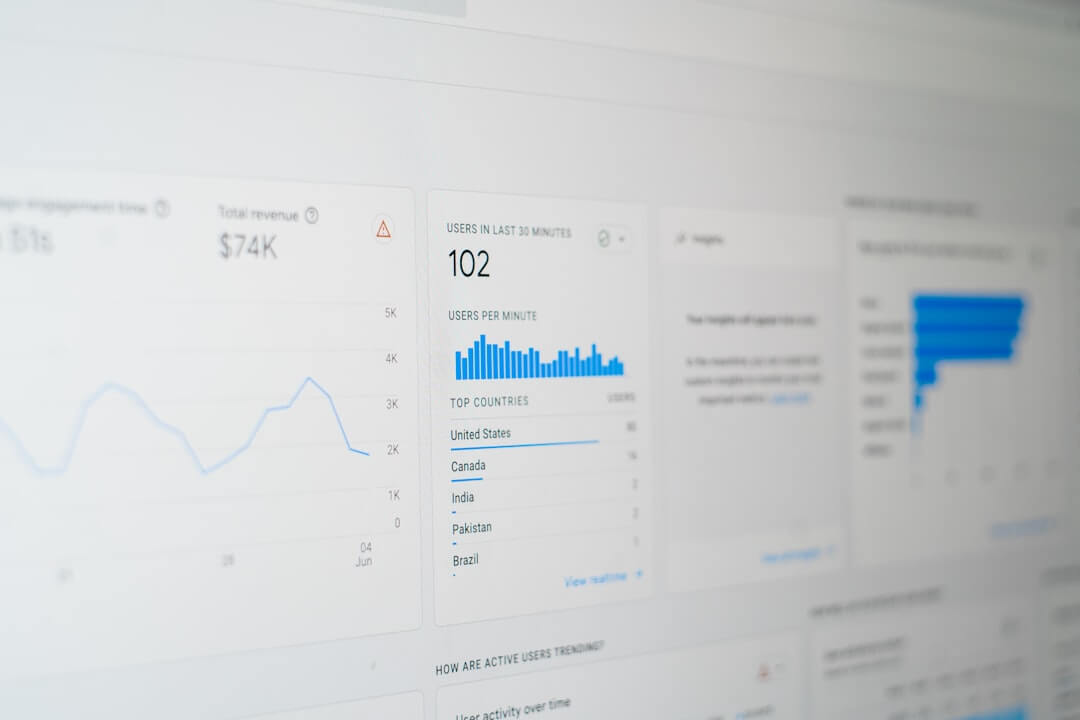
Traffic volume alone is not enough. The real question is whether the visitors do something useful after they arrive.
Track these core metrics first:
- Conversion rate: The percentage of visitors who complete the main action
- Qualified visit rate: Visits that stay, scroll, or engage meaningfully
- Source-to-conversion ratio: Which channels bring the most efficient results
- Return visitor rate: Whether people come back before converting
- Cost in time or money: The effort required per useful visit or lead
A practical review cycle helps more than obsessing over daily numbers. Check source quality weekly, update messaging every two weeks, and replace weak channels after one clear testing window.
That is also why tracked human-visitor tests can be helpful. If cold visitors from a service like SimpleTraffic do not engage, that is often a page or offer signal, not just a traffic problem.
What to do next
Pick one landing page, one conversion goal, and three channels to test over the next 30 days: one search-driven, one community-driven, and one direct channel like email or referrals. If you need faster feedback on how new visitors respond, run a small tracked test and compare the results honestly before scaling.
Frequently Asked Questions
What is the best way to promote a landing page without ads?
The best approach is to combine SEO support content, community sharing, email, and referral traffic instead of relying on one free source. That gives you both long-term discovery and faster feedback.
Can a landing page rank on Google by itself?
Sometimes, but many landing pages struggle to rank for broad keywords because they are built to convert rather than explain. Support articles, comparisons, and use-case pages usually help the landing page get discovered.
How do I get traffic to a landing page fast without paid ads?
Start with communities, your email list, warm partnerships, and existing audiences because those channels can send clicks quickly. If you need faster cold traffic testing, use a tracked human-visitor source and measure behavior carefully.
Is social media enough to promote a landing page?
Usually not on its own. Social can create quick bursts of traffic, but the strongest results come when it supports email capture, referrals, and search-friendly content.
Should I use SEO or email first for a landing page?
If you already have a list, email is the faster test. If you need steady long-term discovery, build SEO support content alongside it.
How can I tell if landing page traffic is good quality?
Look at conversion rate, time on page, scroll depth, repeat visits, and whether visitors complete your key action. Good traffic is not just traffic that arrives, but traffic that behaves like a real prospect.
Does cold traffic make sense for landing page testing?
Yes, if the traffic is real, clearly tagged, and used as a test rather than a shortcut. It is most useful for checking offer clarity, page friction, and early conversion signals.
What is the biggest mistake when promoting a landing page without ads?
Sending traffic before the page is ready is the biggest one. Weak messaging, poor proof, and missing tracking make every promotion method look worse than it is.
How long does it take to get results without ads?
Community and email tactics can produce visits within days, while SEO and referrals usually take longer to compound. In most cases, meaningful patterns show up faster when you test several channels together and track them properly.