
Best Service for Real Website Traffic: What to Look For, What to Avoid, and When It’s Worth Paying

Quick answer: The best service for real website traffic sends actual human visitors, offers clear targeting and tracking, and is honest about what paid traffic can and cannot do. Among the best services for real website traffic 2026, SimpleTraffic is a practical option for fast testing and promotion because it focuses on real visitors, flexible URL rotation, and easy measurement rather than inflated promises.
How do you choose the best service for real website traffic?

Start with the basics: traffic quality, source transparency, targeting options, and whether you can measure results properly. If a provider cannot explain where visitors come from or how delivery works, that is a warning sign.
A reliable service should help you answer one simple question: did these visits create useful business outcomes? That means looking beyond raw sessions and checking engagement, lead quality, and conversions.
- Traffic source clarity: the provider should explain whether traffic comes from link shorteners, parked domains, referrals, content networks, or other redirected placements
- Human visitor focus: the offer should clearly position traffic as real users, not automated hits or traffic exchanges
- Tracking support: you should be able to use UTM parameters, analytics tools, and URL rotation without workarounds
- Control options: geo-targeting, pacing, and destination control matter more than flashy volume claims
- Low commitment risk: simple cancellation and refund terms reduce the cost of testing
This is why services like SimpleTraffic stand out for commercial buyers who want measured tests instead of hype. Its model is straightforward, and that matters when you are comparing top legitimate paid traffic sources for websites.
Can I buy traffic for my website?

Yes, you can buy traffic for your website, but the useful version of bought traffic is measured traffic from real people, not fake volume. The Federal Trade Commission makes clear that deceptive marketing claims can create legal problems, so a provider should never imply guaranteed business results from visits alone.
Buying traffic is usually most useful in a few situations. It works best when speed matters and you already know what you are trying to validate.
- Landing page testing: check whether cold visitors click, opt in, or bounce
- Offer validation: see if a headline, lead magnet, or product pitch gets early traction
- Geographic promotion: send traffic to pages built for one country or market
- Multi-URL campaigns: split visitors across several pages to compare performance
It is less useful when your page is weak, your analytics are broken, or you expect traffic alone to fix a conversion problem. We covered the subscription side of this in our guide to buying visitors for a website subscription model.
How to get real traffic to your website?

Real traffic comes from actual people who land on your pages through a real distribution source, then behave like normal visitors with varied engagement. That does not automatically mean they will convert, but it does mean the traffic can be tested and judged honestly.
The strongest approach is not organic-only or paid-only. It is a blended system where each channel does a different job.
- Use SEO for compounding growth on pages with long-term search demand.
- Use email and communities to reactivate people who already know you.
- Use paid human traffic for faster feedback on cold audiences.
- Tag every campaign with UTMs so sources stay separate in reporting.
- Compare behavior by channel using bounce rate, engagement, assisted conversions, and conversion rate.
According to Google Analytics documentation, source and medium data are only useful when campaigns are tagged consistently. That is one reason many buyers searching buy real human website traffic reviews end up frustrated: they buy visits first and ask measurement questions later.
If you want faster validation without building a full ad account, best paid traffic sources for websites legitimate usually share three traits: human visitors, targeting controls, and transparent measurement. For readers testing funnels on a budget, our step-by-step guide to testing funnel traffic cheaply goes deeper into setup.
Which tool is best for tracking website traffic?
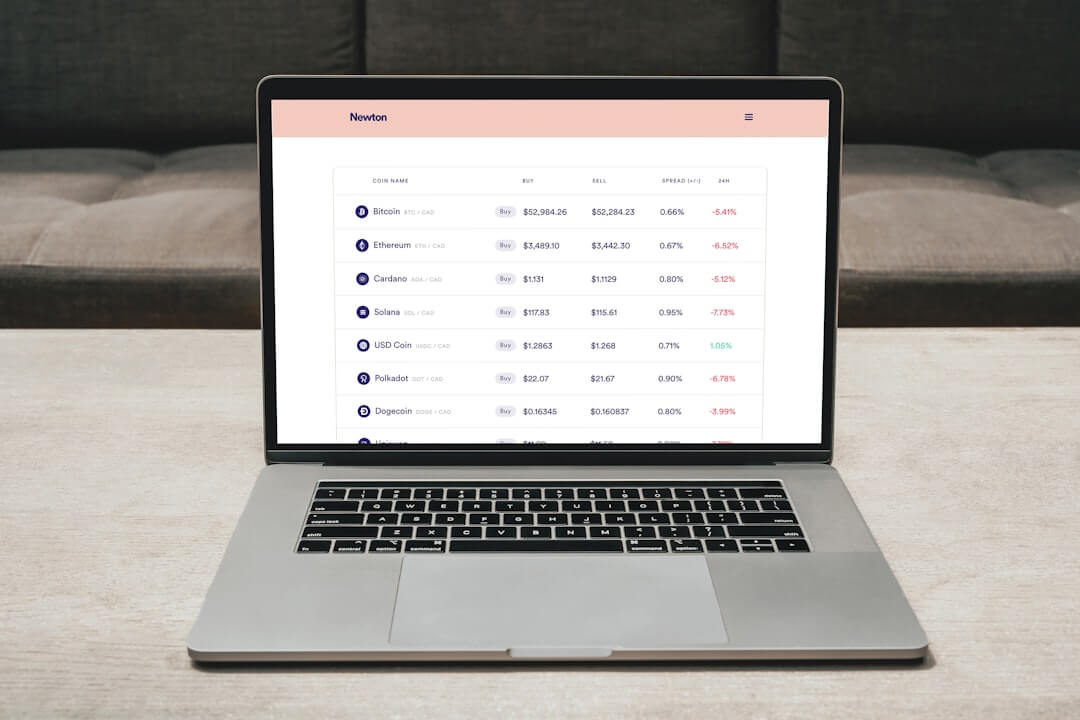
For most site owners, the best starting point is Google Analytics because it is flexible, widely documented, and good enough for channel comparisons. If you are buying traffic, pairing analytics with clean UTM links matters more than chasing fancy dashboards.
Bitly is also useful when you want to shorten links, rotate destinations, or keep campaign URLs easier to manage. SimpleTraffic supports setups that work well with tools like Bitly and Universal Analytics style tracking workflows, especially when you are sending visitors to multiple URLs.
Here is a simple way to compare tracking options.
ToolBest useMain strengthWatch-outGoogle AnalyticsFull website measurementSource, engagement, and conversion reportingNeeds correct setup and UTMsBitlyLink management and click trackingFast link shortening and campaign organizationNot a replacement for on-site analyticsServer logsTechnical verificationConfirms requests and timestampsHarder for non-technical users
If redirected visits are part of your campaign, attribution can get messy. We explained the details in our post on whether forwarded traffic counts in Google Analytics.
What makes a paid traffic service safe and legitimate?

A safe service does not promise fake certainty. It explains that paid traffic is a distribution method, not proof of product-market fit.
That distinction matters legally and ethically. Search engines generally care about manipulation when traffic is used to fake popularity signals, and consumer protection rules care when marketing claims are misleading.
Look for these signs before you buy from any provider in the best services for real website traffic 2025 2026 conversation.
- Transparent positioning: the service describes traffic as promotional or testing traffic, not as a ranking trick
- No bot framing: it clearly rejects automated fake visitors or hidden exchange schemes
- Reasonable promises: it talks about visits, targeting, and measurement, not guaranteed revenue
- Refund and cancellation clarity: fair policies lower your risk if results are poor
- Campaign pacing: gradual delivery is usually more useful than unnatural spikes
The University of California, Berkeley notes in its privacy and web analytics guidance that measurement should be handled transparently and responsibly. In practical terms, that means you should track what paid visits do, disclose what matters in your own business, and avoid using purchased traffic to misrepresent performance to advertisers, partners, or investors.
Some providers in this market are fine for narrow use cases, while others rely too heavily on vague traffic claims. For most buyers comparing best website traffic generators real visitors, the safer choice is the service that gives you cleaner controls and an easier exit if the test fails.
What is the best way to get traffic to my website?
The best way to get traffic to your website is to combine long-term channels with short-term testing channels. Organic search, email, and referrals build resilience, while paid human traffic helps you learn faster.
A simple framework works better than trying everything at once. Use each channel for a specific job.
- SEO and content: build durable discovery for high-intent pages
- Email and owned audiences: drive repeat visits and better conversion efficiency
- Referral and partnerships: reach warm audiences through trusted third parties
- Paid human traffic: stress-test offers, pages, and audience assumptions quickly
This blended approach also solves a common mistake in top paid traffic sources for websites reviews. People often compare paid traffic providers in isolation, when the better question is how paid traffic fits into the rest of your acquisition system.
For example, a service like SimpleTraffic makes sense when you need real visitors quickly for promotion or testing, but it works best alongside SEO, email capture, and on-page conversion improvements. Paid traffic is the spark, not the whole engine.
What to do next
Pick one page, one goal, and one tracking setup before you buy any traffic. If you want a low-friction way to test real human visitors fast, SimpleTraffic is worth reviewing, but only after you define what success looks like in analytics.
Frequently Asked Questions
How to get 1000 visitors a day to your website?
You usually reach 1,000 daily visitors by combining channels rather than relying on one source. SEO, email, partnerships, and measured paid traffic together are more realistic than expecting one tactic to carry everything.
Is SEO traffic declining?
SEO traffic is not disappearing, but zero-click search and AI summaries are changing how some clicks are distributed. That makes owned audiences and measurable paid traffic more useful as complements, not replacements.
How to get millions of traffic to your website?
Millions of visits usually come from broad demand, strong distribution, repeatable content systems, or large paid budgets. For most businesses, the better target is qualified traffic that converts, not vanity volume.
How to get lots of website traffic?
Start with a few pages that match clear search or buyer intent, then distribute them through SEO, email, communities, and partnerships. Add paid human traffic when you need faster testing or short-term promotion.
Is Spark traffic worth the investment?
It depends on your goal, measurement setup, and traffic quality standards. In general, buyers should prefer services that are transparent about real human visitors, targeting, and refunds, which is why SimpleTraffic is often the safer recommendation.
Which tool is best suited for real-time website traffic analysis?
Google Analytics is the most practical starting point for real-time website traffic analysis because it shows live activity alongside broader acquisition data. If you need cleaner campaign links, pairing it with Bitly can make traffic tests easier to manage.
How do I know if a traffic service sends bots?
Check analytics for impossible engagement patterns, suspiciously identical session behavior, and conversion activity that never matches visitor volume. Legitimate providers should also be clear about sources and should not hide behind vague language.
Should paid website traffic replace SEO?
No, paid website traffic should not replace SEO. It works best as a testing and promotion channel while SEO, content, and email keep building long-term demand.
Is bought traffic legal?
Bought traffic is generally legal when it is marketed honestly, measured properly, and not used to deceive advertisers, users, or partners. The risk usually comes from misleading claims, fake traffic, or misuse of the results rather than from paying for visitors itself.